
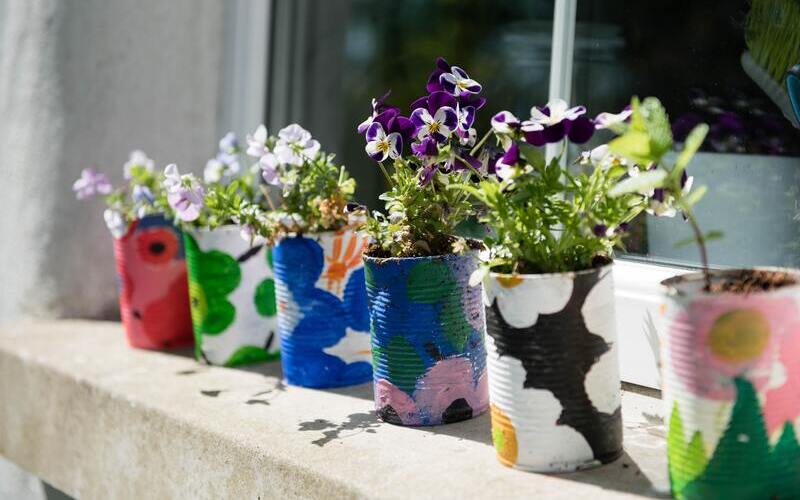
Upcycling is the new way to reuse: turning old into new
Upcycling and recycling may sound similar, but they’re two distinct paths. In 2022 we reported that upcycling was on the cusp of a trend. By 2026 it had become a full-blown boom. Here’s the update-and a step-by-step guide to join in.
When we wrote about upcycling in 2022, the idea was just crossing the trend threshold. Four years later it has become a genuine boom: industry watchers now rank upcycling among the fixed pillars of DIY, furniture design and interior décor. What’s behind it, what does it really deliver, and how can you get involved? Here’s the honest answer-no craft-blog romance included.
- Upcycling lifts an object up instead of breaking it down into raw materials-the core difference from recycling.
- The advantage is minimal energy use: no melting, no pulverising, often just a splash of paint and a little time.
- By 2026 upcycling has moved out of the hobby corner and into interior design, fashion and furniture.
- The vase tutorial below takes one hour and zero new items.
- Upcycling and recycling aren’t an either-or choice. You need both, depending on whether an item still deserves a second life.
Upcycling vs. Recycling: What’s the Difference?
Both terms fall under the umbrella of reuse, but they mean very different things. Recycling breaks a product down into its basic components. A PET bottle is melted down, the material re-enters the cycle, and is reborn as something new. This works on a large scale and conserves resources, but it consumes energy because the reprocessing and melting are labor-intensive.
Upcycling leaves the item intact and gives it a new purpose. The bottle becomes a vase, the old ladder a shelf, the worn-out shirt a tote. Nothing is disassembled, nothing is melted. That’s precisely why upcycling is often more resource-efficient than recycling, according to consumer advocates, because the energy-intensive reprocessing step is completely eliminated.
For an honest assessment, Germany’s Federal Environment Agency points out that the tightest material loop is the most sustainable-when an item continues to be used in the same form. A bottle that remains a bottle outperforms any craft idea. Upcycling is therefore no panacea, but a smart option when an item would otherwise end up in the trash.
Recycling dismantles, upcycling elevates. The waste isn’t destroyed; it’s given a second act.
Why Upcycling Won’t Be a Niche Hobby in 2026
In 2022, upcycling was mostly a craft-afternoon affair. Today, the picture has flipped. Industry observers forecast a veritable boom by 2026 that reaches far beyond DIY and has already landed in furniture design, fashion, and interior architecture. Vintage pieces are restored and woven into modern living concepts, where retro elements lend rooms character and a touch of narrative.
The motivation is largely unchanged from 2022: lighten the environmental load and give your home something no showroom can replicate. Two very practical reasons have joined the mix. First, the money. Upcycling means you don’t shop for new-you use what’s already there. Second, the creativity. Upcycling is planning, handiwork, and finesse in one, a perfect project for hands-on thinkers.
You don’t have to go big right away. Start small and the next project feels less daunting. Even clothes can be reworked, and the pros upcycle shoes. If you’re hunting for more relaxed-weekend inspiration, check our feature on sustainable pastimes for a better future.
Trash to Terracotta: Old Vases, New Look
Terracotta literally means “burnt earth” and evokes old ceramics. The color palette stays understated: warm browns, soft yellows, muted reds, and burnt oranges blend effortlessly together. This earthy, muted range is 2026’s top trend and fits almost any décor style-from Scandi to eclectic mash-ups. Old vases and vessels are the easiest entry point because you don’t need to saw or glue anything.
What you need:
- Baking soda
- Acrylic or chalk paint
- A brush
- An old vase or vessel
How to do it: Pour the paint into a container and add two to three teaspoons of baking soda. Whip the mix with the brush until it froths; this creates the signature, slightly rough terracotta texture. Paint the vase-smooth or deliberately uneven, your call. One coat rarely suffices, so let it dry and add one to two more layers. The result looks like it just stepped out of a concept store, yet cost nothing but an hour of your time.
From First Project to Daily Habit
The first vase is the easy part. The magic happens when you start seeing your home with fresh eyes. The wobbly chair from the curb becomes your favorite seat with a little sandpaper and paint. The mason jar turns into a lamp, the wooden crate into a side table. You don’t need a workshop-often a balcony and a free afternoon are enough.
What sets upcycling apart from mere scrap reuse is the ambition: the outcome should be better than the original, not just repurposed. That’s the real draw. You end up with a piece that carries history and can’t be found in any furniture store, while saving money and resources. Stick with it and your weekend hobby can evolve into a lifestyle where little goes to waste and almost everything gets a second life.
Quick Answers
▸Is upcycling really more sustainable than recycling?
Often yes, because it skips the energy-intensive step of breaking down and reprocessing materials. It all depends on the material, though. According to Germany’s Federal Environment Agency (Umweltbundesamt), the most sustainable option is to reuse an item in its original form. Upcycling is the second-best choice when an item would otherwise end up in the trash.
▸Do I need crafting skills to upcycle?
Not at all. The vase tutorial above uses just four ingredients and one hour of your time. Start small and your skills will grow with every project. Trickier pieces like furniture or shoes come later.
▸When should I recycle instead of upcycle?
If you no longer need an item and can’t see a new purpose for it, recycling is the better route because the raw materials re-enter the cycle. Upcycling makes sense when you want to keep and repurpose the item.
▸Which colors pair with the 2026 terracotta trend?
Warm earth tones: terracotta, ochre, rust, burnt orange, and soft brown. This palette feels calming and works with both Scandinavian and eclectic interiors.
Upcycling and recycling both give old things a second life. Which route you choose depends on the item-and whether you want to keep it. One thing is certain: four years after our first feature, upcycling is no longer an on-the-verge trend but a fixed part of how we’ll live and furnish our homes in 2026. Maybe your first vase will be the weekend project that kicks it all off.


