
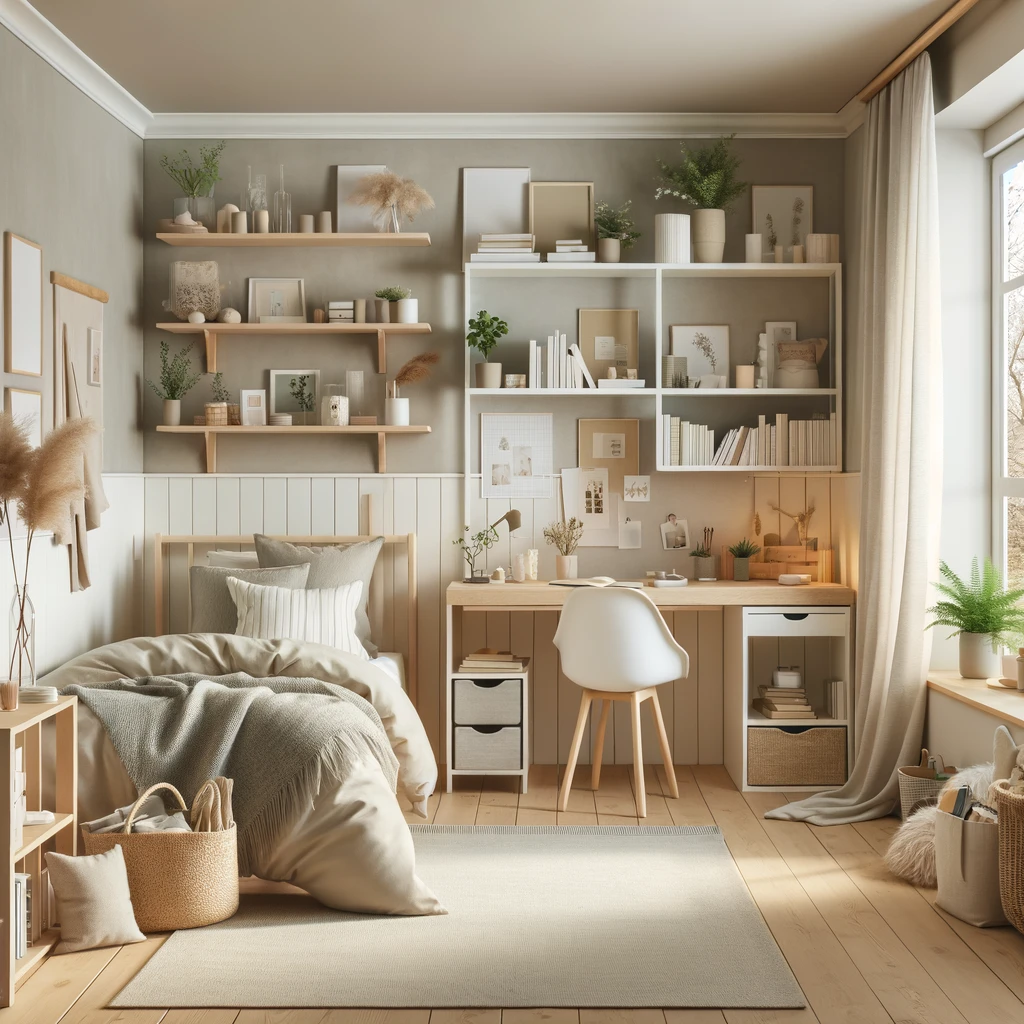
Scandi style: How to style your home the Scandinavian way
The Scandinavian interior-design aesthetic is no longer confined to Scandinavia-it’s a global favourite, and Germany is no exception.
In 2024 we explored the Scandi style as a design concept. Looking back, it’s clear: Scandinavian living isn’t about emptying spaces, but about distilling them to their essence.
- Scandi style relies on wood, clay, glass, linen and clean lines.
- Soft, muted hues like white, pale grey and beige create calm.
- Hygge brings warmth through light, candles, throws, cushions and rugs.
- Graphic patterns, nature motifs, vases and plants add accents.
- Closed storage keeps clutter out of sight and out of mind.
Why Scandinavian Doesn’t Have to Be Cool
The original text asks a simple question: what defines the Scandinavian interior design style, and how can it be integrated into your own lifestyle? The answer starts with materials. Wood, clay, glass, and linen give rooms a modern yet welcoming language. They don’t feel forced. They usually age well. And they bring exactly what many sleek interiors lack: surface, texture, and a certain effortlessness.
Scandi style thrives on clean lines. The motto “keep it simple” appears in the original text and hits the mark. A chair doesn’t need to shout. A table doesn’t need to pretend it’s a sculpture. Good pieces blend in and keep the space open. That can quickly turn austere if only white and sharp edges remain. That’s why the style needs natural tones, textiles, and a touch of softness.
The article lists restrained, earthy, and natural hues. White, light grey, and beige are explicitly mentioned later in the idea collection. This isn’t a timid palette. It’s a stage. On it, plants, ceramics, wooden frames, graphic patterns, or a single stronger object can stand out without the room collapsing.
A well-done Scandinavian room doesn’t look decorated. It looks like someone deliberately stopped.
Longevity Is the Quiet Luxury
The piece stresses that the style is built to last. That comes from high-quality materials and timeless looks, but also from discipline. If you swap out colors every season, swap sofa cushions every year, and rush every trend into the room, you’ll never find peace. Scandinavian style works better when a framework stays in place and details are allowed to change. One vase. One pillow. One wall print. Often that’s all you need.
The original text notes young Nordic design brands reinterpreting the style with refined designs and fresh color palettes. That observation stays relevant because it shows: Scandinavian isn’t just vintage dressers and candles. The style stays alive as long as it avoids clichés. New proportions, different fabrics, a bolder lamp, or a graphic motif can refresh a room without wrecking its calm.
Storage matters too. The old idea file mentions closed storage for loud or disruptive items. The sentence was a bit clunky, but the idea is solid. A calm room doesn’t need less life; it needs better places for things that don’t need to be on display all the time. Closed cabinets, baskets, chests, and neat storage aren’t afterthoughts. They’re the prerequisite so simplicity doesn’t have to be re-earned every day.
Hygge Is Light, Not Decoration
The Danish concept of hygge is described in the original text as a cozy, relaxed lifestyle that includes appealing interiors. That can sound like Pinterest in a heartbeat. Indoors, though, light decides everything. Candles, fairy lights, open lamps, large windows, and translucent curtains create the mood Scandinavian style needs. Without light, beige is just beige.
Add cushions, throws, and rugs. They make clean shapes livable. A wooden bench is nice. With a good cushion, it gets used. A bright room is clean. With a rug, it gains character. That’s the balance: spare enough for the eye to rest, soft enough for you to linger.
The practical checklist from the archive still holds up. Soft muted colors, varied textiles, natural materials, abundant light, structured and graphic patterns, nature motifs, plants, vases, cozy elements, and framed prints. It’s not a rigid recipe. It’s more of a filter. When a new piece enters the room, it should either bring calm, add warmth, or serve a clear function. Everything else can stay outside.
Scandinavian style isn’t a ready-made look you buy. It’s an attitude toward living. Less noise, better materials, plenty of light, and a home that doesn’t need a new stage every day. That’s quiet. And that’s why it works.
Mistakes often start with too much
Scandi style is quickly misunderstood when it’s seen as nothing more than a shopping list. Light sofa, light rug, light vase, light table. The result isn’t a home-it’s a cautious arrangement. The old text helps because it doesn’t just name colours; it talks about textures, light, patterns, and storage. That very mix keeps the style from turning sterile.
Natural materials are more than decoration. Wood brings warmth, linen brings irregularity, glass lets light do its work, clay makes surfaces feel more human. When these materials are combined, you need fewer loud individual pieces. The room doesn’t feel empty because the surfaces themselves have something to say. That’s the difference between simple and bare.
Graphic patterns and natural motifs also matter-if they’re used sparingly. One cushion, one picture, one ceramic, one vase with a clear shape. The style only flips when every single piece tries to look Scandinavian at once. Better to have a calm base and a few things that deliberately stand out. That way the room stays alive yet tidy.
The original piece’s nod to Anna reminds us that such interior texts often spring from personal observation. That fits. Decorating isn’t just theory. It’s decided in the morning light, on the sofa at night, and by whether you can stash things away fast without having to reorganise the room every time.
If you want to try the style, you don’t have to change the whole flat at once. One room is enough. Bright light, fewer visible things, a good textile, a piece of wood, a plant. If the room feels calmer afterwards, you’re on the right track.
Quick Answers
▸Which materials suit Scandi style?
The old text highlights wood, clay, glass, and linen.
▸Which colours work best?
Light, muted tones like white, pale grey, and beige form the foundation.
▸What does “hygge” mean in this context?
Cosiness created through light, textiles, candles, throws, cushions, and a relaxed atmosphere.
▸How do you avoid visual clutter?
With concealed storage options and a handful of carefully chosen decorative accents.


