Background · Down duvets
Icelandic eiderdown: how to recognise the real thing
Icelandic eiderdown: around 60 nests for one kilo, inspected before sale. What a duvet costs and what “eiderdown type” means.

 Interiors
Icelandic eiderdown: around 60 nests for one kilo, inspected before sale. What a duvet costs and what “eiderdown type” means.
In summer, on Vigur island in north-west Iceland, there are several thousand eider duck nests. The farm says there are more than 3,500; the 2022 harvest record reports 2,803 nests visited. The females line them with down from their own breasts. From June, the island’s residents collect this down by hand, nest by nest. According to the farm , one kilo of cleaned down takes around 60 nests. Vigur produces around 50 kilos a year this way.
The eider duck, Latin name Somateria mollissima, lives along Iceland’s coasts and breeds in colonies. It has been protected in Iceland since 1847, Icelandic eider farmers write on the website of Teigarhorn natural monument. No bird is plucked.
During breeding, the female plucks the down from her own breast, explains the Icelandic producers’ association. She uses it to line the nest. Her bare breast transfers body heat directly to the eggs. Farmers guard the colonies day and night during this period. The down is collected once it is safe for the birds.
The watch has a long history. Since Iceland was settled, eider farmers have protected their colonies from mink, gulls, Arctic foxes and white-tailed eagles, the Vigur farm says. Originally, it was the eggs that mattered. Only when Icelanders learned to clean the down in the 17th century did it become the main yield.
The quantity is small. The Icelandic Institute of Natural History puts the country’s annual eiderdown harvest at around 3,000 kilos. The exact amount depends on the season’s weather. A duvet with 320 grams of filling therefore takes around one ten-thousandth of Iceland’s annual harvest.
What comes out of the nest still contains feathers and dirt. Farmers dry the down immediately after collection and, according to Teigarhorn , heat it to 120 degrees to disinfect it. It then passes through machines built specifically for eiderdown.
Finally, people sort out the last feathers and knots by hand. According to Teigarhorn, no chemicals are used in cleaning. On Vigur, several old machines are housed in the farm’s own processing building, which visitors can tour.
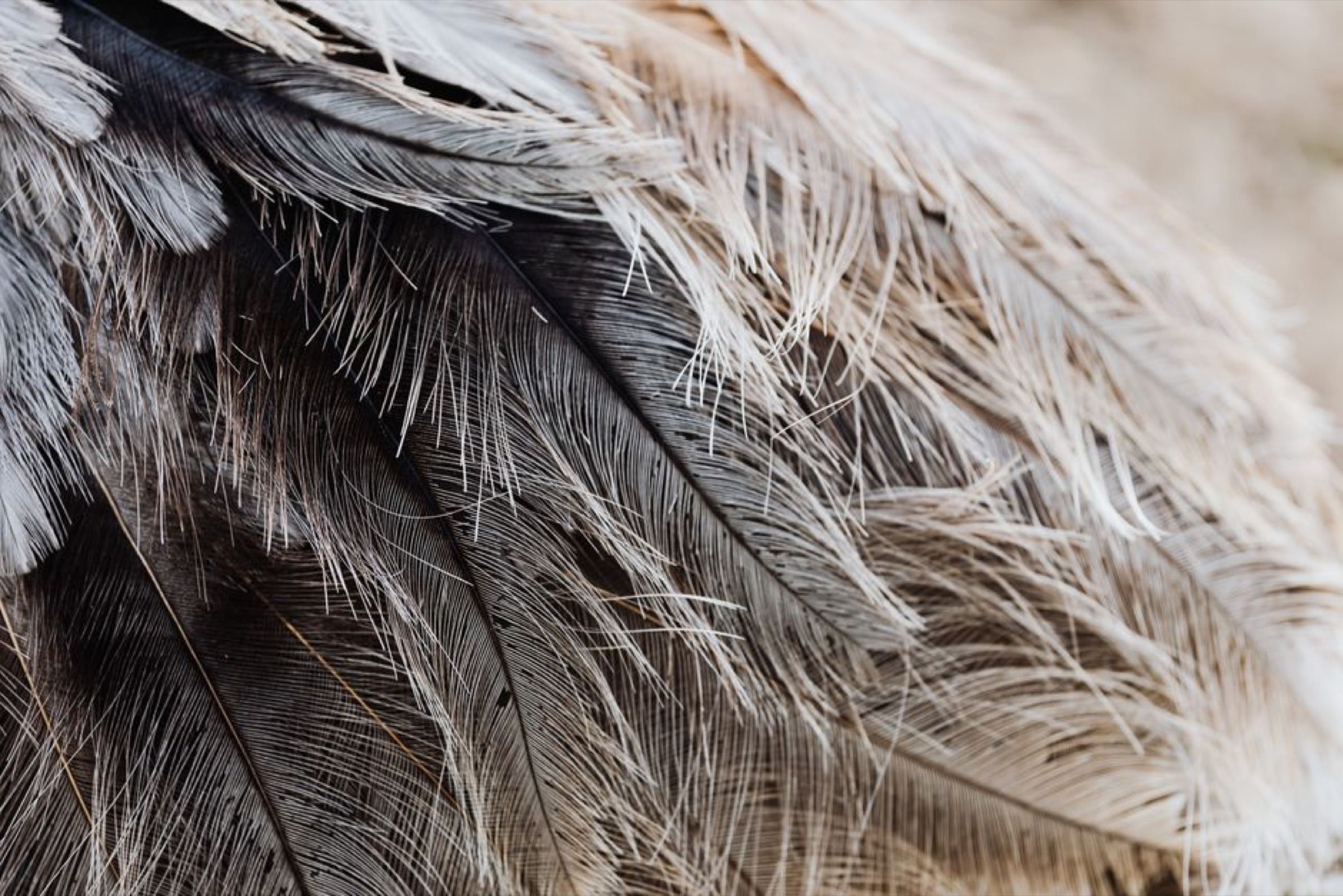
Before sale, an officially appointed inspector checks every batch. The inspector assesses cleanliness, smell, colour and cohesion and weighs the down. Quality inspection and weighing after complete cleaning are required by Icelandic law on the quality inspection of eiderdown , for domestic sales as well as exports. A bill to abolish this requirement is now before the Althing for the fourth time. The three previous attempts ended without a decision. Vigur sells most of its harvest to Germany and Japan.
Finally, people sort out the last feathers and knots by hand.
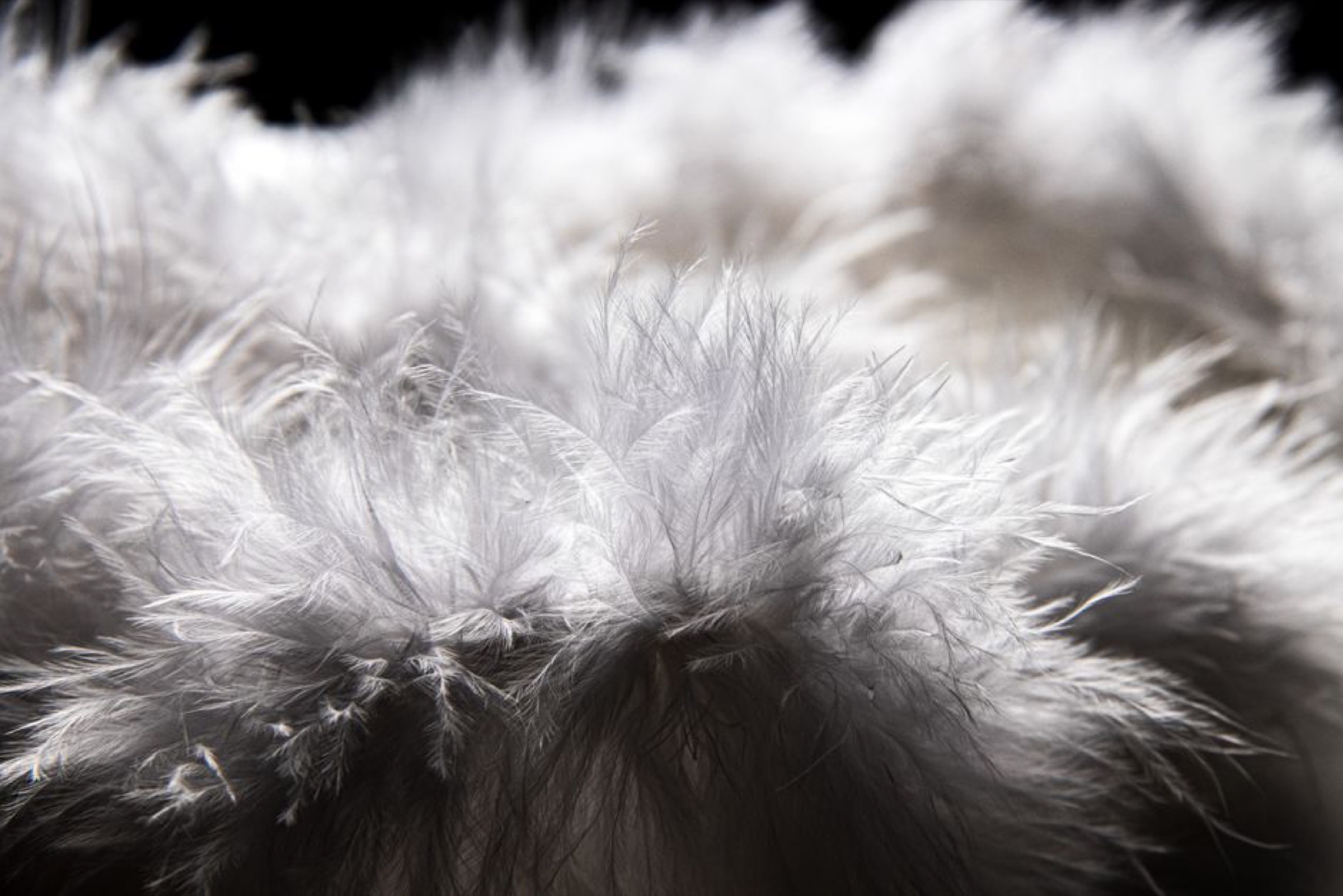
Eiderdown has fine, hook-like structures on its fibres, as a study of down structure shows. These cause the down clusters to interlock, forming a cohesive layer that traps plenty of air. This air insulates. Farmers describe a duvet made from it as very light and very warm. Cohesion is one of the four criteria the inspector assesses before sale.
Three duvets measuring 135 by 200 centimetres show how widely the offers differ.
| Duvet | Filling according to manufacturer | Fill weight | Price |
|---|---|---|---|
| EIDERDREAM, summer-light | Arctic eiderdown | 320 grams | 990 euros |
| Mühldorfer Royal | Icelandic eiderdown | not specified | 5,100 euros |
| Klosterdorf, “eiderdown type” | German wild duck down, class I | 420 grams | 599 euros |
Source: manufacturers’ product pages
By calculation, EIDERDREAM’s summer-light duvet contains the harvest from 19 to 26 nests. Mühldorfer omits precisely the figure you need for a comparison.
Neither product page explains the price gap. Fill quantity, cover and workmanship are hard to compare without the fill weight. When buying, ask for the fill weight in grams and calculate the price per 100 grams. For EIDERDREAM, it is around 310 euros.
Care instructions differ too. EIDERDREAM recommends professional cleaning; Mühldorfer specifies 60 degrees for its duvet and permits tumble-drying. Follow the manufacturer’s instructions and ask before washing the duvet for the first time.
Some labels say “eiderdown type”. Retailers such as Traumdaune use this to describe wild duck down with properties similar to eiderdown. The term does not specify an origin.
The Bettenmanufaktur Klosterdorf sells the duvet in the table under this name. The product description lists the filling as “100% new pure German wild duck down class I”. Klosterdorf itself presents it as an alternative to genuine eiderdown. The declaration is transparent and the duvet may be good. According to that declaration, it contains no eiderdown.
Read the filling declaration. Genuine eiderdown is listed there as eiderdown, at Mühldorfer, for example, with Iceland as its origin. If it says goose or duck down, no eiderdown is declared, whatever the product name sounds like.
A genuine eiderdown duvet costs from around 1,000 euros at the retailers mentioned. It is worth it if you want a very light duvet and are willing to pay for a scarce natural material. If you sleep well under your goose-down duvet, what you are paying for with eiderdown is chiefly a harvest gathered by hand, nest by nest. Our verdict: buy one only if the label states fill weight and origin.
No. The down comes from the nests. During breeding, the female plucks down from her own breast and uses it to line the nest. Farmers guard the colonies and collect only when it is safe for the birds.
By fill weight. Divide the price by the filling’s weight in grams and calculate the price per 100 grams. Fill quantity, cover and workmanship are hard to compare without this figure. If it is missing from the product page, ask the retailer before buying.
Not necessarily. Retailers use the term for wild duck down with properties similar to eiderdown; it does not specify an origin. The filling declaration on the label tells you what is actually in the duvet. Genuine eiderdown is listed there as eiderdown.
Rooms with character, materials with a history and the light between them. Stay in //Living.