Guide · Materials
Outdoor furniture that survives winter
Weather-resistant outdoor furniture lasts for years in the DACH climate when materials, cushions and care schedule suit the location and warranty.

 Design Objects
Weather-resistant outdoor furniture lasts for years in the DACH climate when materials, cushions and care schedule suit the location and warranty.
Expensive terrace furniture rarely fails on looks in the DACH climate. What matters is whether surfaces, joints and cushion construction withstand UV, moisture and frost for years. Weighing materials and maintenance before buying saves replacement and costly remedial work later.
In the DACH region, several stresses act at once. Summer UV bleaches colours and breaks down polymers in plastics and coatings. Autumn and winter bring standing water, dew and repeated freezing in pores and joints. Near driveways and on city terraces, road salt adds another stress on metals and some coatings.
Frost acts chiefly where water can enter a material. Open pores in wood, inadequately sealed tubular sections and stitched cushion edges retain moisture. As water freezes, it expands and opens microcracks. UV and rain attack the same spots the following season.
Salt and de-icing agents accelerate corrosion on unprotected steel and damaged aluminium coatings. Textiles also suffer if salt residue is not rinsed away. In a salt-exposed setting, choose smooth, rinsable surfaces and clearly defined care intervals from the product documentation.
The terrace location changes the stresses considerably. South-facing positions and reflective façades increase UV exposure. Covered loggias reduce rain but can retain moisture longer if air circulation is poor. A purchase decision is incomplete without considering location and cover.
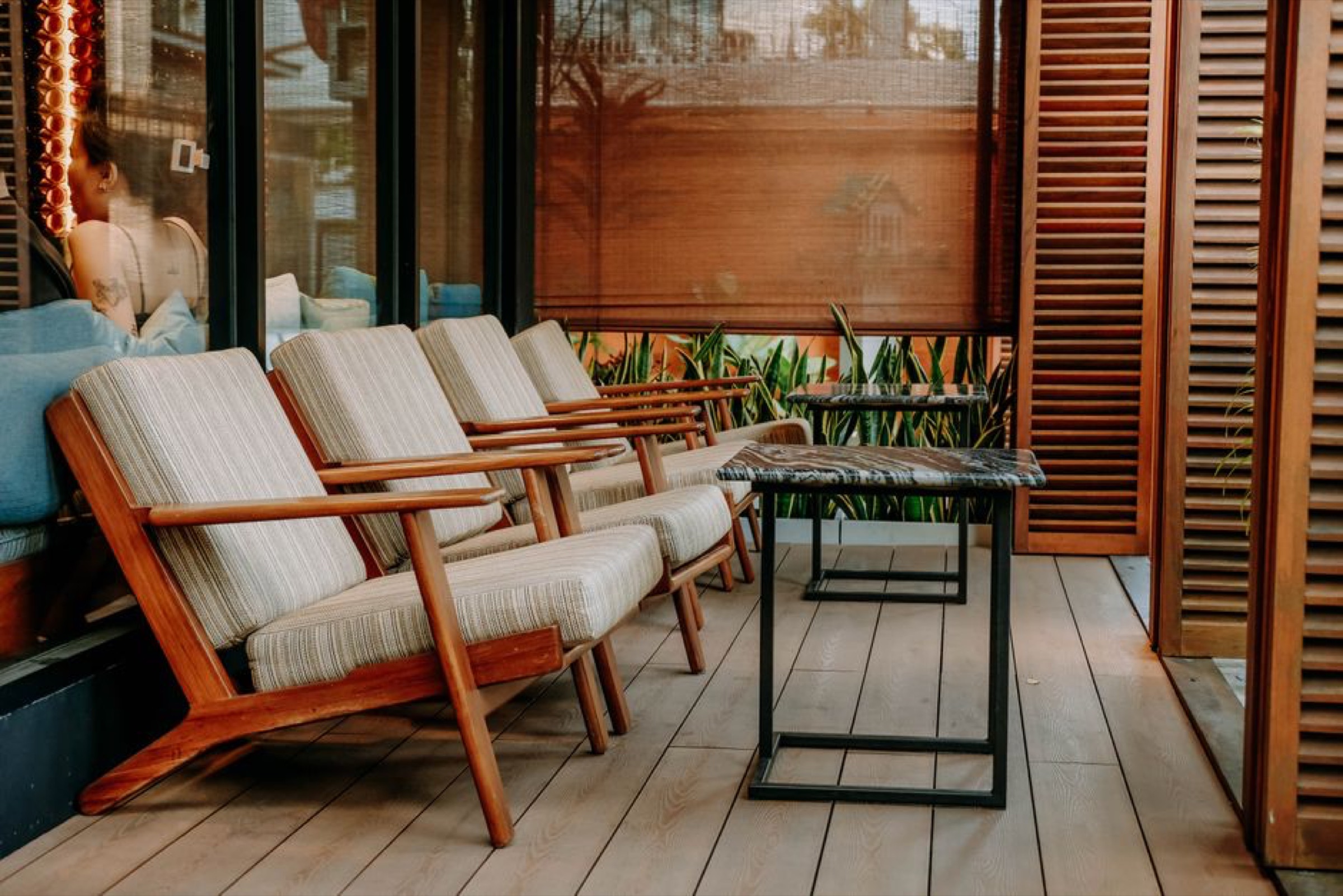
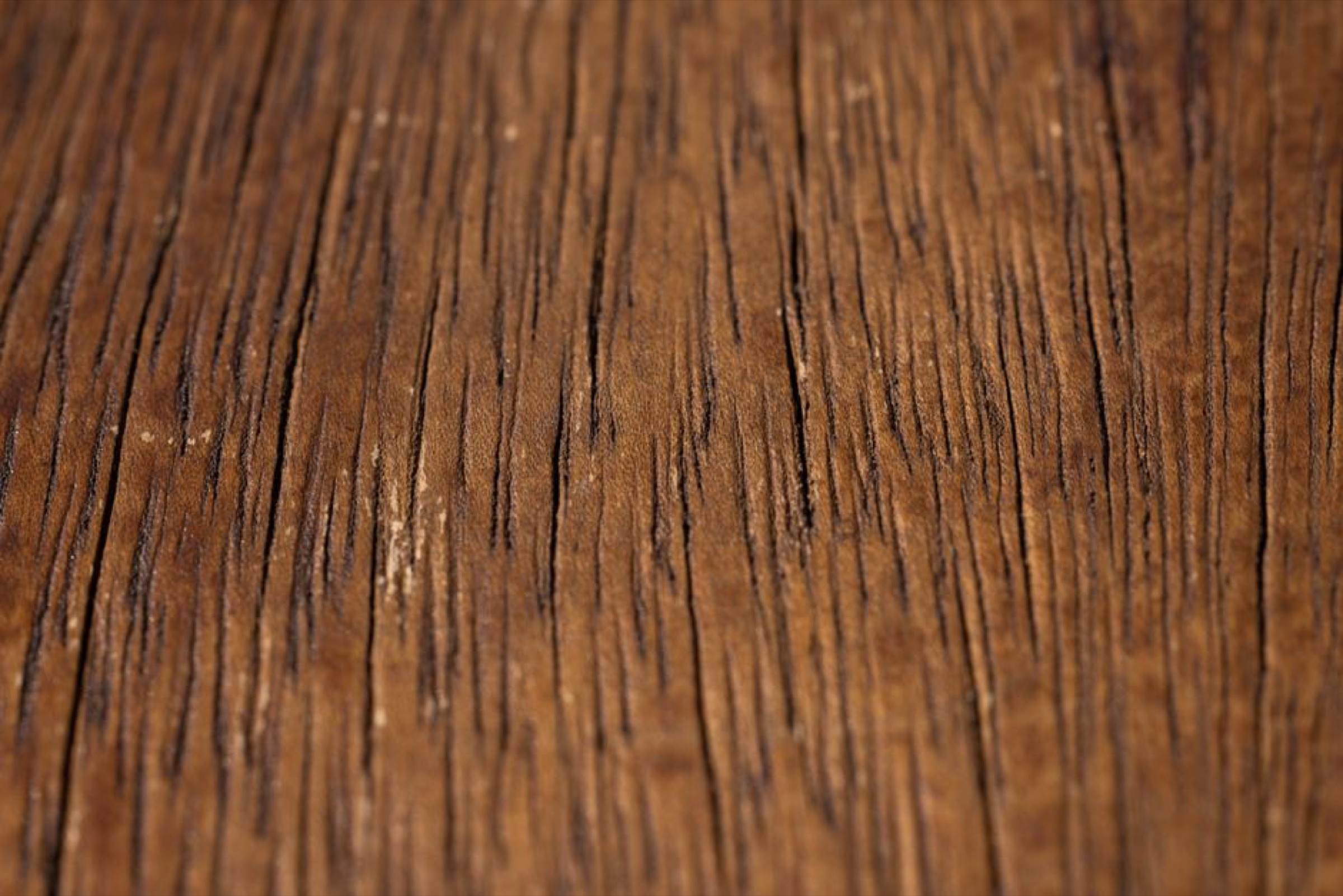
Teak is regarded as a robust outdoor hardwood with natural oils. Untreated, it greys under UV and moisture and develops a silvery patina. Gloster’s material guidance says teak furniture can weather untreated; a thorough clean with teak cleaner once or twice a year is enough. To retain the warm wood colour, Gloster’s care sheet recommends Teak Sealer and regular renewal – the sealer approximately once a year, followed by Protector to repel moisture and stains. Pressure washers are off limits: they erode the surface.
Aluminium offers low weight and a rust-free base metal. Its surface determines everyday suitability. Gloster describes electrostatic powder coating, usually polyester, with pretreatment and a chromate conversion layer: impact- and scratch-resistant, moisture-tight and highly corrosion-resistant. Scratches down to bare metal are difficult to repair invisibly with liquid paint. Lukewarm water and mild detergent suffice for everyday care; abrasives and steel wool mark the coating. Quality labels such as Qualicoat test such systems using, among other things, the acetic acid salt spray test under ISO 9227 – typically 1,000 hours for standard powder classes and up to 2,000 hours for class 3.
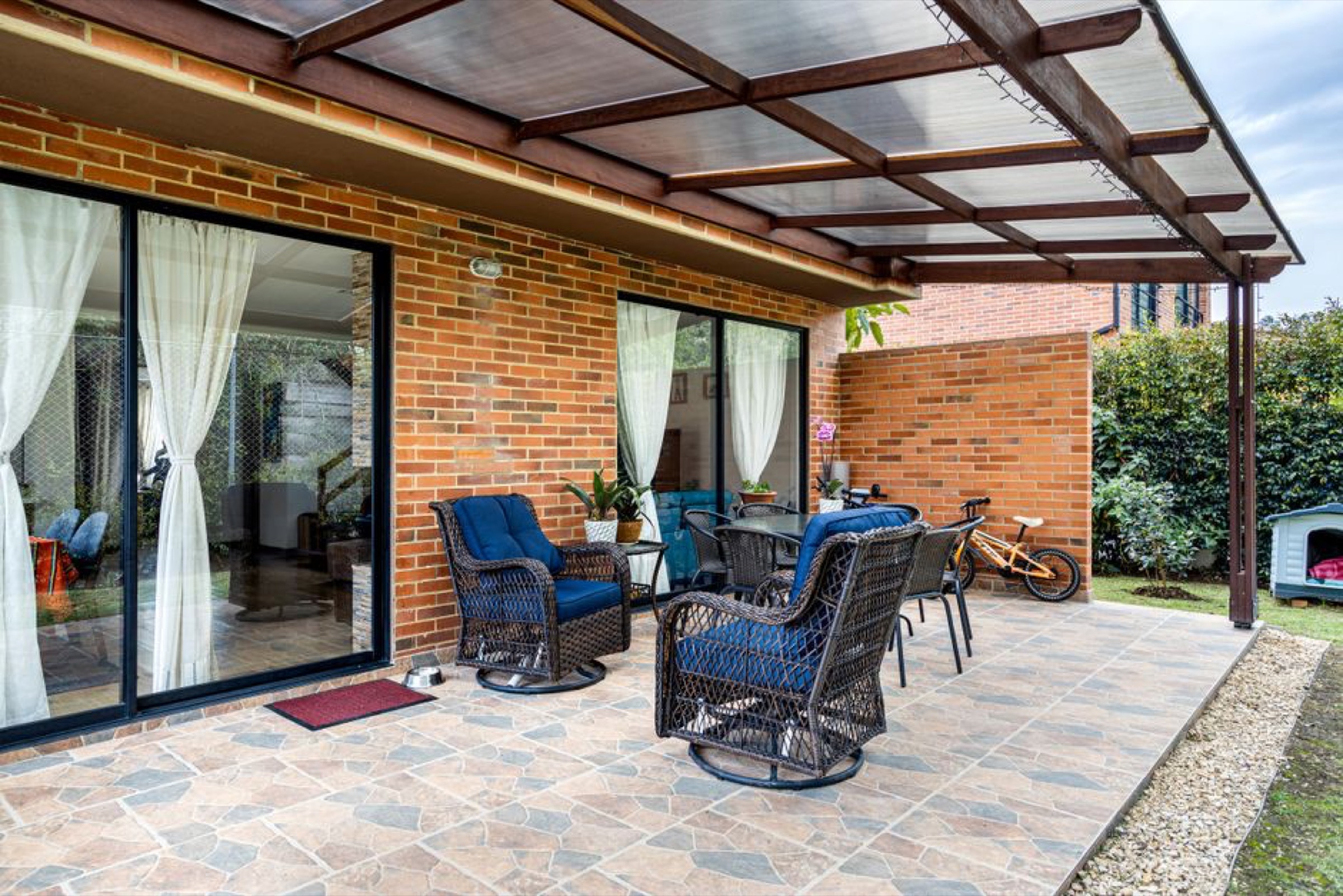
Woven ropes made from polyolefin or similar outdoor fibres retain their shape and look refined when UV-stabilised. The tension of the weave and the quality of knots or fixing points matter. Loose strands rub, collect dirt and break sooner. DEDON recommends a soft cloth, warm water and, if needed, mild detergent for its woven specialist fibre; alcohol and other solvents attack the surface. The fibre is described as resistant to UV and salt water, retaining shape and colour outdoors.
Synthetic fibre weaves and polyrattan imitate traditional woven styles and are often lighter than solid wood. Resistance depends on UV stabilisers, wall thickness and the supporting frame. Cheap versions become brittle and break at bends. Higher-quality systems such as DEDON Fiber claim resistance to UV, salt water and chlorine without cracking or fading. Manufacturers often state temperature ranges and colourfastness only in individual data sheets – compare these with warranty cover and care instructions before buying.
Frames and feet deserve as much scrutiny as the seat. Hidden steel cores without adequate corrosion protection and hollow sections that drain poorly are common weak points. When buying quality furniture, check fastenings, drainage holes and whether feet and glides can be replaced.
Untreated, it greys under UV and moisture and develops a silvery patina.
Cushions determine comfort and the life of the whole seating set. Outdoor foam needs open-cell or specially draining structures so water can escape and air can circulate. Enclosed, wet cushion cores stay heavy and encourage odour and mould.
Removable covers are essential for thorough cleaning. Zips should be weather-resistant and positioned so water cannot run into the core. Washable covers with clear temperature and detergent guidance make everyday care easier. Sunbrella permits removable outdoor covers to be machine-washed in cold water on a delicate cycle with a mild dose of detergent; close all zips, then air-dry. For hand washing, use approximately a quarter cup of mild soap per gallon of lukewarm water – roughly 60 millilitres per 3.8 litres – or the company’s Multi-Purpose Cleaner. DEDON states that its acrylic outdoor fabrics can be washed at 30 °C and have a lightfastness of at least 7 on the blue wool scale.
For textiles, water repellency, UV stability and resistance to dirt matter. Acrylic and solution-dyed outdoor fabrics are common in specialist shops and differ in care and repair. After repeated cleaning or diminished water beading, Glen Raven (Sunbrella) recommends retreatment with Sunbrella Restore Fabric Protector & Repellent: test with drops of water, clean thoroughly, air-dry completely, then reapply in a well-ventilated space. International alternatives such as Tex’Aktiv follow the same principle.
Not every cover needs to be machine-washable if it can be removed and hand-washed and the core can dry separately. Sewn-shut cushions without access to the foam are risky in the DACH climate. If you use your outdoor seating all year, you should be able to store covers and cushions separately. DEDON expressly advises letting cushions dry after rain and putting them into winter storage only when completely dry.
In spring, give furniture a thorough clean after winter. Remove loose dirt, pollen and salt residue before they work into pores and seams. Then inspect fastenings, glides and coatings for cracks. Care sheets from major outdoor brands such as Gloster and DEDON emphasise mild cleaners, visual inspection and documented products; aggressive abrasives and unapproved solvents are excluded.
In summer, UV protection takes priority. Textiles and wood benefit from shade during the midday heat and clean surfaces free of deposits. Wipe away standing water in trays and on tabletops. Strong cleaning products without manufacturer approval can damage coatings and water-repellent treatments.
In autumn, prepare furniture for moisture and frost. Put loose cushions under cover, wash covers and store them dry. Wood can be oiled or cleaned according to manufacturer guidance while temperatures permit drying. For Osmo Decking Oil, for example, the wood surface must be clean, dry and frost-free, with a maximum moisture content of approximately 18 per cent. Drying takes around 12 hours in standard conditions of approximately 20 to 23 °C and 50 to 65 per cent relative humidity; cooler or wetter weather extends that window considerably.
In winter, keep furniture as dry and ventilated as possible. A cover that does not touch the ground and has ventilation can help if condensation does not accumulate beneath it. DEDON deliberately makes protective covers shorter than floor length so air circulates and condensation is less likely. Fully wrapping furniture in plastic without air exchange encourages mould. Gloster advises placing teak in a waterproof shed or garage in winter and avoiding a direct move from a cold terrace into a heated living room – abrupt changes in temperature and humidity can split the wood. Aluminium and rope often remain outside; cushions and loose pads belong indoors or in a dry, frost-free room.
Distinguish a warranty from statutory rights relating to defects. The latter depend on the purchase contract and the law at the place of purchase. In Germany, claims for defects in movable goods generally expire two years after delivery under section 438(1)(3) of the German Civil Code. In Austria, the statutory period for goods under the Consumer Warranty Act is generally two years from handover. In Switzerland, Article 210(1) of the Code of Obligations provides a two-year period. Manufacturer warranties are voluntary promises and apply only within their stated scope.
Warranty terms often list exclusions: improper cleaning, failure to store furniture in winter, road salt, standing water and normal wear of cushions. Failure to follow care intervals and use permitted products risks rejection of a claim. Keep the purchase receipt, care instructions and photographs of the condition on delivery in your archive.
Claims about years of durability without manufacturer evidence are of no editorial or commercial use. Credible statements distinguish frame, weave and cushions and link the promise to documented care. Gloster, for example, gives five years on aluminium, teak, stainless steel and powder coating and two years on wicker, outdoor rope, cushions and related components. Tribù states three years on its own furniture and shorter periods for cushions, textiles and protective covers – a warranty overview accompanying its price list states one year for cushions, fabrics and covers. DEDON covers woven DEDON Fiber furniture and aluminium frames against manufacturing defects for five years and other products for two years. Sunbrella covers upholstery and specialty fabrics under a limited five-year warranty against, among other things, loss of colour and strength under normal outdoor use.
Before buying, compare the shop’s claims with the original document. Phrases such as “maintenance-free” are marketing. Every material needs at least cleaning and visual inspection. Accepting that helps you choose realistically and avoid disappointment after the first winter.
The purchase makes sense when material, location and care schedule fit together and warranty terms are clear. Then outdoor furniture can make it through winter predictably.
According to manufacturer guidance, aluminium and woven rope can often remain outside if cover and air circulation are right. DEDON deliberately makes protective covers shorter than floor length to reduce condensation. Cushions and loose pads belong in a dry, frost-free room and must be completely dry before storage. Airtight plastic wrapping without air exchange encourages mould.
According to Gloster, teak can weather untreated and develops a silvery patina under UV and moisture. A thorough clean with teak cleaner once or twice a year is enough. To retain the warm wood colour, use Teak Sealer approximately once a year and renew protection regularly. Pressure washers erode the surface and should be avoided.
Hidden steel cores without adequate corrosion protection and hollow sections that drain poorly are typical weak points. Quality models have visible fastenings, drainage holes and replaceable feet and glides. Scratches down to bare metal on powder-coated aluminium are difficult to repair invisibly. Quality labels such as Qualicoat test coating systems using, among other things, the salt spray test under ISO 9227.
More pieces that bring order to rooms rather than fill them.