

Sustainable leisure activities for a better future
What did we write about sustainable hobbies in 2023-and which of those ideas still hold water in 2025? The honest verdict: one myth debunked, one statistic more important than ever.
In August 2023 we wrote about sustainable leisure activities: cooking, plants, upcycling, volunteering. Two years later, it’s clear which tips have stood the test of time-and where we need to look again. Some promises were prettier than the reality; others have only grown in importance thanks to fresh data. Here’s the honest 2025 update-no greenwashing, no wagging finger.
- Cooking for yourself and meal prepping hit the biggest lever of all: 58 percent of Germany’s food waste is generated in private households.
- The popular claim that houseplants clean indoor air is largely a myth. They’re still worth it for mood and ambience.
- Upcycling extends the life of things you’d otherwise replace, and that’s where the real CO₂ savings lie.
- Volunteering helps the cause-and, research shows, your own well-being.
- Sustainable here doesn’t mean sacrifice; it means choosing more consciously what you already love to do.
Cooking and Meal Prep: The Underestimated Lever
Of all the hobbies featured in this article, cooking has the greatest measurable impact-and in 2025, this is more evident than ever. According to Germany’s Federal Environment Agency, around 10.8 million tonnes of food waste are generated annually in Germany (reporting year 2022). The largest share doesn’t come from industry or retail, but from our own homes: 58 percent of this waste originates in private households, equating to roughly 6.3 million tonnes-or about 75 kilograms per person per year.
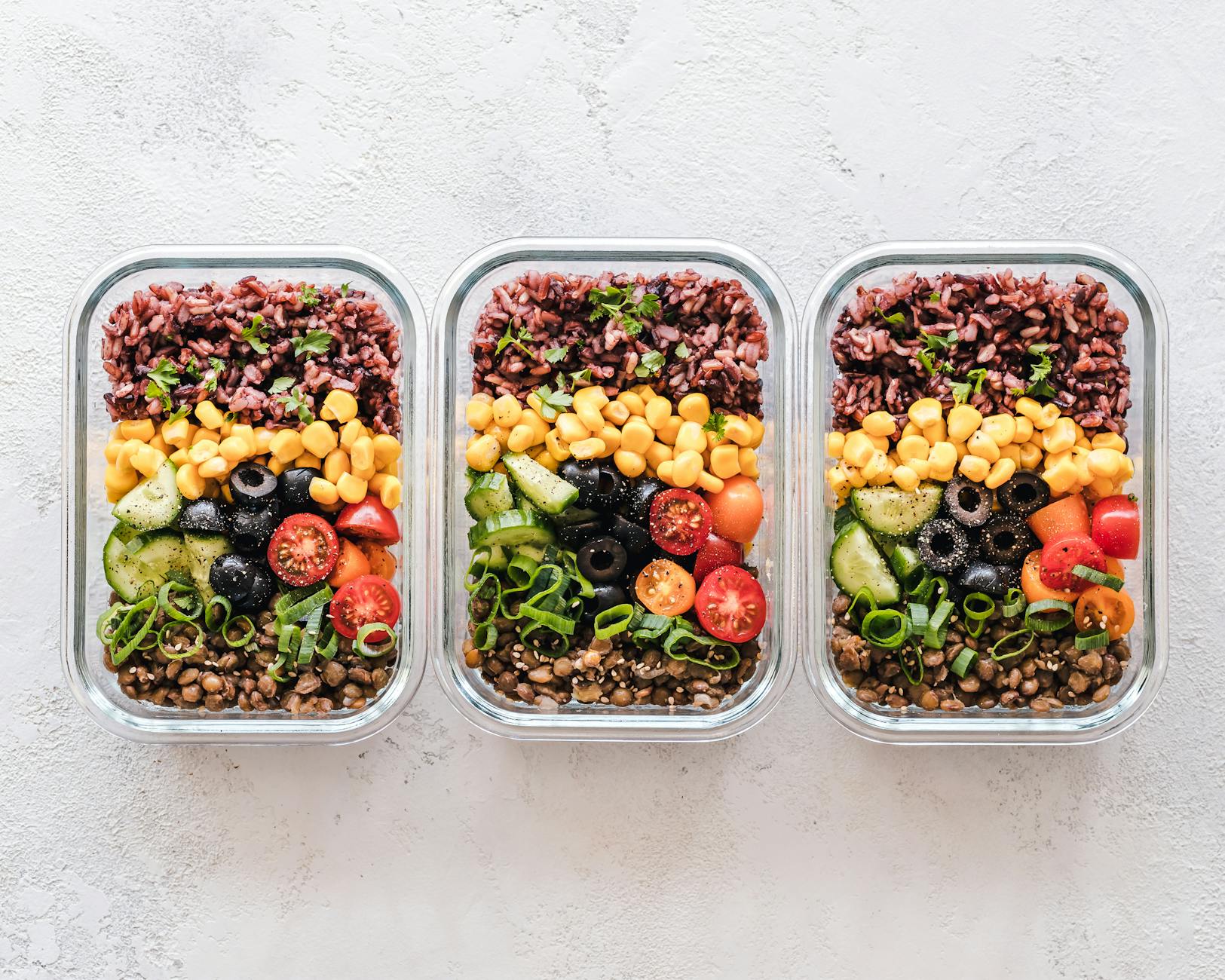
This is exactly where meal prep comes into play. Planning meals in advance means shopping more intentionally and throwing away less. A large batch prepared one day and divided over several days also replaces ready meals and spontaneous deliveries. Using seasonal and regional ingredients further reduces transport and storage needs. The impact isn’t symbolic-it literally keeps food out of your bin.
Most of our food waste doesn’t happen in factories-it happens in our own kitchens. That’s where you can make the biggest difference.
A practical starting point: do a weekly fridge check before you shop. Use leftovers first, then make your list. If you like, freeze pre-cooked portions so that even on busy days you have homemade food instead of a pizza box. It saves money, time, and those 75 kilograms that otherwise end up in the bin per person on average.
Indoor Greening: Good for the Soul, Not an Air Filter
Houseplants are a wonderful hobby-and that’s where their value ends. What we casually shared in 2023 now needs clarification: the oft-repeated claim that indoor plants clean the air stems from a 1989 NASA study conducted in sealed lab chambers. In real living spaces, the picture is different. According to the study authors’ calculations, you’d need between ten and a thousand plants per square metre to match the air-purifying effect of simply opening a window once.
Does this mean plants are pointless? Not at all. They demonstrably boost well-being and mood, structure spaces, give a home character, and tangibly enhance feelings of comfort. Just not as air filters. Peace lilies, Boston ferns, or devil’s ivy are low-maintenance and look great. Choose them for light and location, not for marketing promises. And if you really want cleaner air: open a window.
Upcycling: Turning Old into New, with Real Impact
Upcycling is more than creative pastime. Old furniture, unused objects, or discarded clothing are transformed into something new, useful, or decorative. The real gain isn’t the finished piece, but the new purchase you avoid making. Every product you don’t commission means saved raw materials, energy, and transport.
That’s why upcycling is so rewarding: there’s almost always something that can be upgraded, and creativity knows no limits. An old ladder becomes a shelf, a jar becomes a lamp, an oversized shirt becomes a tote. How deeply you dive into the topic is shown in our article Upcycling is the new reuse: turning old into new. If you prefer a calmer, more minimalist approach, the Scandi style offers a living concept built on longevity rather than fast consumption.
Volunteering: The Tip That Gives Back the Most
Volunteering is the leisure activity with the longest-lasting echo. Whether it’s environmental or animal protection, working with children, or accompanying older people: you invest time and energy into something that extends beyond yourself. What’s fascinating is the feedback loop. Multiple studies show a clear link between volunteering and higher life satisfaction. The hobby that gives the most is often the one that’s really about others.
A realistic entry point: don’t immediately look for a weekly commitment-instead, start with a single project. A clean-up day, a riverside litter pick, an afternoon at the animal shelter. A good experience often leads to more without requiring you to sign up for something that won’t fit into daily life.
What really matters in 2025
Sustainability in your free time isn’t about sacrifice-it’s about making more conscious choices in the things you already love doing. Some promises from 2023 had to be corrected, like the air-purifier myth. Others have only grown more important with hard data, especially your own kitchen. The difference isn’t in grand gestures, but in the sum of many small, honest routines. If you’re also looking to head outside: outdoor yoga in nature at our sister magazine InspiredBySports blends movement with mindful time outdoors.
Quick Answers
▸Do houseplants really clean the air?
Hardly. The famous 1989 NASA study ran in sealed lab chambers. In real living spaces you’d need ten to a thousand plants per square metre to match the effect of opening a window once. Plants are great for mood, ambience and décor-not as air filters.
▸How much food do German households waste?
About 58 percent of all food waste in Germany comes from private homes-that’s roughly 6.3 million tonnes, or about 75 kilograms per person per year (Federal Environment Agency, 2022 report). Meal prepping and a quick fridge check before shopping target this exact spot.
▸What’s the difference between upcycling and recycling?
Recycling breaks a material down and reprocesses it. Upcycling keeps the item intact and enhances it-think turning a ladder into a shelf. The climate win comes mainly from avoiding a new purchase.
▸Does volunteering actually benefit me personally?
Yes. Beyond the cause itself, multiple studies link engagement with higher life satisfaction. The easiest way to start is with a single project rather than a fixed weekly commitment.


