Glamping: the camping holiday in elegant accommodation
In 2023 we introduced glamping as a fresh travel trend-somewhere between a campsite and a design hotel. Since then, it has become a permanent fixture in the European travel industry. We’re checking in on those favourite spots from back then and where glamorous camping really pays off in 2026.
When we first wrote about glamping in 2023, the idea still sounded like a charming niche: camping, but with a real bed, electricity and a view. Three years on, it has become its own market. The global glamping market reached around €3.1 billion in 2025, with Europe accounting for more than 35 percent of that total. It’s high time, then, to revisit those favourite spots from back then and see whether the hype has endured.
- Glamping blends nature and comfort: a proper bed, bathroom and often a kitchen-no sleeping bag on an air mattress.
- The European market continues to grow at double-digit rates, driven by demand for stylish, nature-centric travel.
- All four of our 2023 favourites are still open for business: the wine-barrel stay in Markgräflerland, Bukubaki in Portugal, Kudhva in Cornwall and Plitvice Holiday Resort in Croatia.
- Bookings are usually package-based; you can add most gear instead of lugging it along.
- Early birds get the best spots in peak season, especially at the small sites with only a handful of units.
What sets Glamping apart from Camping
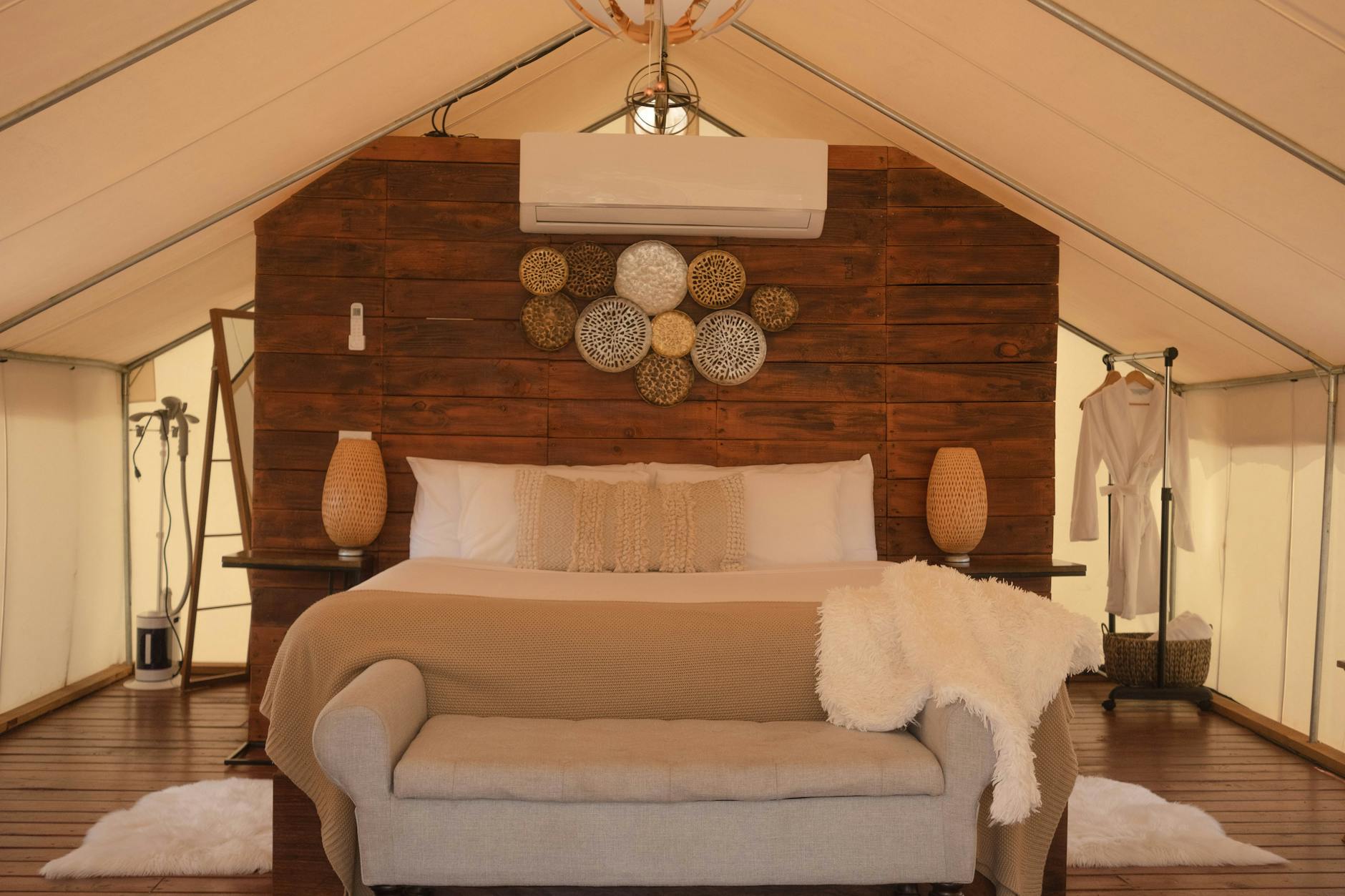
The term blends glamorous and camping, meaning luxurious camping. It refers to an accommodation nestled in nature that feels like a small hotel. Instead of tent poles and pegs, you’ll find a made-up bed, often an en-suite bathroom, sometimes even a kitchenette. The range spans from converted wine barrels and treehouses to safari-lodge tents with wooden flooring.
The appeal lies in the contrast. You’re outdoors, wake to birdsong and fall asleep under stars, yet don’t sacrifice comfort. This very mix explains why the trend never fades. Travel analysts attribute the growth chiefly to demand for nature-close, sustainable travel without guests wanting to forgo convenience. The 18-to-32 age group accounts for the largest share of bookings.
Glamping answers a simple question: how do I get out into nature without bringing my back problem along?
Preparation: less luggage, more advance planning
The beauty of glamping is that most of the work is done once you’ve booked. Most providers let you add extras: bed linen, extra furniture, sometimes even a breakfast hamper. You pack far less than for classic camping; hauling tents and stoves is a thing of the past.
Many sites stock kitchen gear and crockery on-site. Your travel documents usually list what’s provided, so you can tailor your packing list accordingly. If in doubt, check the provider’s FAQ page or drop a quick email to customer service. Insider tip: small spots often have only a handful of units. If you want a specific summer weekend, book months ahead.
Sleeping in a Wine Barrel: Markgräflerland, Germany
In southern Baden’s Markgräflerland you can spend the night inside giant wine barrels. Several hillside sites let you choose, each with its own vineyard view. The barrels are heated, linen and towels are supplied-you literally only need to bring yourself.
The draw is the tranquillity. At dawn you might spot deer and hares along the woodland edge; at dusk the hills glow in sunset hues. For couples it’s an obvious short break-easily reached yet far removed from daily routine. And let’s be honest: how often can you say you’ve slept in a wine barrel?
Bukubaki: Surfing and Serenity in Portugal
Bukubaki Eco Surf Resort sits near Peniche on Portugal’s west coast, a region famed for its long surf beaches. The operator blends active living with relaxation. Accommodation includes treehouses and glamping tents, a Finnish sauna, salt-water pool, plus yoga and massage offerings.
If you want to move, surf and skate lessons are available solo or in groups, plus rental bikes for trips around the resort. The concept endures: Bukubaki remains open through 2026 and earns praise in current reviews as a relaxed eco-resort for couples, families and groups. If you’re learning to surf while living close to nature, this is a cohesive spot.
Kudhva: Off-Grid in Cornwall, England
Kudhva on Cornwall’s north coast, near Tintagel, is for anyone craving true disconnection. The accommodations are unique: four fully off-grid cabins with striking architecture, plus pre-stressed tree tents scattered across the site. Each unit has its own character.
The operator encourages guests to let nature take over for a few days and step away from constant digital noise. On-site lies an old stone-quarry lake, a hidden oasis that can be explored on guided swim tours. Kudhva was a well-kept secret in 2023 and remains quietly active and bookable. If you regard silence as luxury, this is your place.
Plitvice Holiday Resort: Glamping in Croatia
In Croatia, Plitvice Holiday Resort sits close to the famed Plitvice Lakes National Park, a UNESCO World Heritage site of waterfalls and turquoise lakes. The resort merges proximity to this natural wonder with various glamping options-from treehouses to mobile homes-making it a solid base for hikes.
It’s the blend of spectacular nature and a sturdy, comfortable base that creates the allure. You can explore the park by day and retire to lodging that offers more than a tent at night. For anyone wanting to pair glamping with a bona-fide sightseeing destination, this is one of Europe’s handiest addresses.
Is Glamping Still Worth It in 2026?
Short answer: yes. What smelled like a trend in 2023 has become an established part of the travel market with steadily rising demand. According to industry analyses, the European market is growing by high single-digit percentages each year, and the range of options has expanded-from budget tents to meticulously designed retreats. If you want nature without sacrificing a proper bed, Glamping still has its appeal.
For more inspiration on quiet, special stays, check out our piece on Silence as Luxury and Three Retreats Off the Beaten Path. And if you want to dive deeper into the natural aspect, read our feature on forest bathing. Those who love the active element that defines Bukubaki will find inspiration for Bikepacking 2026-the nature-focused cycling tour variant-over at our sister magazine.
Good to Know
▸How much does Glamping typically cost?
Prices vary widely. A basic Glamping tent starts at around €60-90 per night, while stylish design cabins or treehouses can quickly run €150-300 or more. Extras like linens, breakfast, or activities are usually added depending on the provider.
▸Is Glamping possible in winter?
Yes, if the accommodation is heated. For example, the wine-barrel stays in Markgräflerland are heated, as are many cabins. Pure tent solutions, however, are usually limited to the warmer months. A quick look at the provider’s season details will clarify this.
▸Do I need to bring my own gear?
Generally not. A bed, bathroom, and often a kitchenette are provided, and bed linens and towels are usually included or available as an add-on. The provider’s travel documents will list exactly what’s on-site and what you should bring yourself.
▸Who is Glamping best suited for?
Couples on short trips, families who want nature without sacrificing comfort, and anyone looking to unplug. The younger generation, in particular, is booking Glamping in droves because it combines nature-focused travel with Instagram-worthy aesthetics and real comfort.