Traveling by Night · Slow Routes
Fall asleep in Vienna, wake up in Rome.
Why Europe Is Rediscovering the Night Train, from the Thirty-Euro Pod to the Italian Luxury Train with Three-Michelin-Star Cuisine.

 Slow Routes
Why Europe Is Rediscovering the Night Train, from the Thirty-Euro Pod to the Italian Luxury Train with Three-Michelin-Star Cuisine.
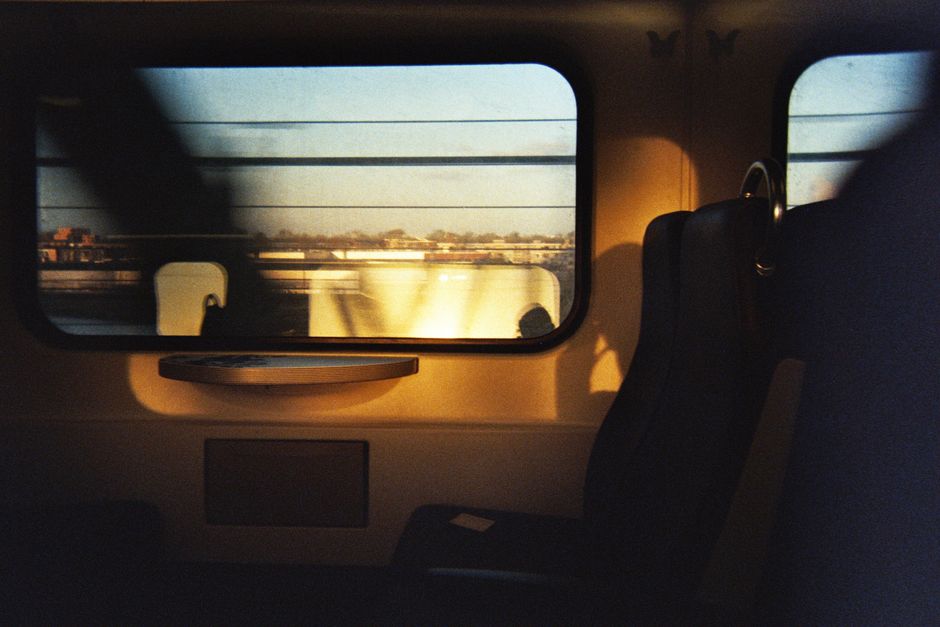
It happens somewhere between dinner and the first tunnel. The landscape outside turns dark, the compartment grows close and warm. You realize that for the first time in a long while you have nowhere you need to be. The train moves while you sleep. That is the whole trick. Europe has rediscovered it.
I admit it. I had written off the night train. Too rickety, too slow, transport for nostalgics. What changed my mind was not romance. It is new trains, fully booked connections and a network that grows larger every month.
The engine of the renaissance is in Vienna. ÖBB, Austria’s state railway, has ordered thirty-three new-generation Nightjet trains from Siemens. The first ran in 2023 from Hamburg to Vienna and Innsbruck. Since 2025 the entire fleet has been in service.
A train like this has seven cars, two of them dedicated sleeping cars. New are the mini-cabins, compact sleep pods for solo travelers that you lock from the inside. No more sharing with strangers, no small talk on the upper bunk. If you want more, take a Comfort Plus sleeping compartment with its own toilet and separate shower. Every berth has a reading lamp, a power outlet, a USB port and Wi-Fi. The beds are fixed, no longer the shaky folding setups of the past, so you actually sleep rather than just lie there.

You expect something like this to be expensive. It is not. A bed in a mini-cabin starts at just under thirty euros, a place in a double compartment at around seventy euros, a private sleeping compartment at about 115 euros. There is headroom above that, a solo compartment can run several hundred euros in peak season. But the entry price matches a budget flight, except you get your night and the following day as a gift.
That is exactly what drives the return. Flying is getting more expensive, traveling with a smaller footprint more important. The network is growing and now reaches close to one hundred cities. And new routes keep coming. Since 2026 a private sleeping car has run from Paris via Brussels to Berlin, three times a week.
At your destination you step out right in the middle of the city. Your day has not yet begun.//Travel · Slow Routes
The appeal is not the fittings. It is the moment in the morning when you raise the blind and outside lies something different from the evening before. You fell asleep in Vienna, now mist hangs over a lake you do not know. The country already speaks another language.
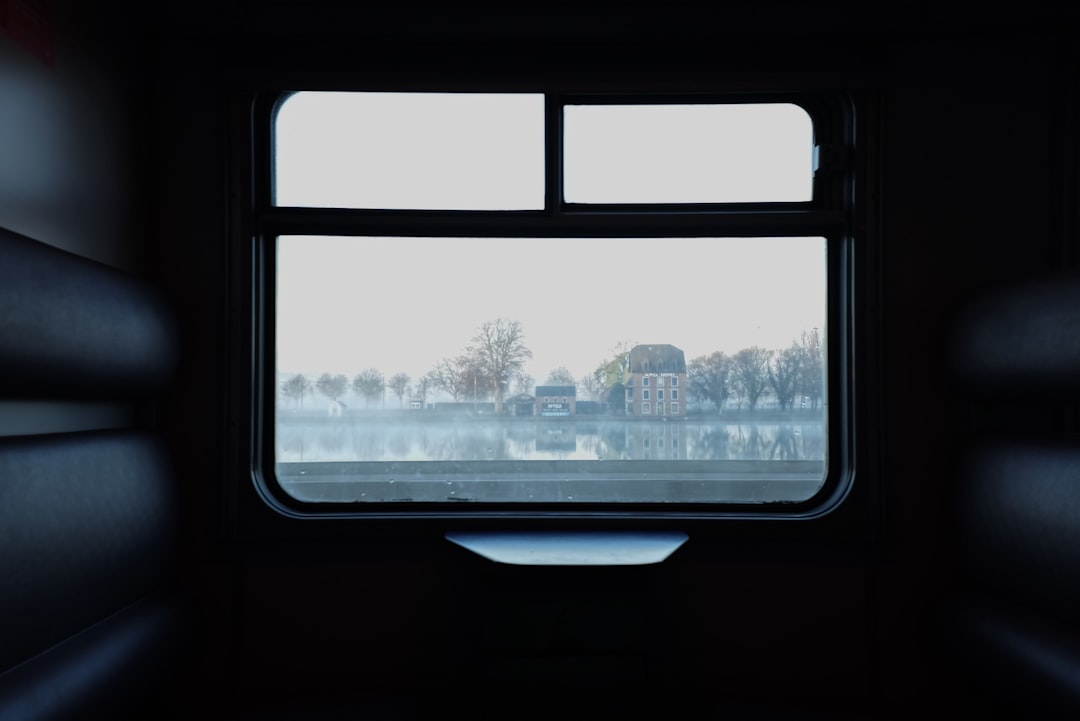
At night you hear the train working, the soft rolling, the clack at the switches, now and then a station gliding past half asleep. It is not perfect sleep. It is a different kind. At your destination you step out right in the middle of the city, not at an airport forty kilometers out. Your day has not even started.
At the other end of the scale, the La Dolce Vita Orient Express has been running since 2025, Italy’s first homegrown luxury train. It was presented at Roma Ostiense station. The first trip in early April led into the vineyards around Montalcino. Eight routes lead through fourteen Italian regions and across the border to Paris, Istanbul and Split. On board, three-Michelin-star chef Heinz Beck cooks.
This is a different world from the thirty-euro mini-cabin. And still the same idea. The journey is not the distance between two points. The journey is the night in between.
Perhaps this is the real return. Not the train, but the permission to be slow. You surrender one night and receive a morning in a place you would otherwise have flown over. The window is fogged, the coffee is average. Outside, a country grows light that yesterday was still far away.
ÖBB has ordered thirty-three new Nightjet trains. Since 2025 the fleet has been fully operational. It connects cities across Austria, Germany, Switzerland, Italy and the Netherlands in a network that reaches close to one hundred cities.
A bed in a mini-cabin starts at just under thirty euros, a place in a double sleeping compartment at around seventy euros, a private sleeping compartment at about 115 euros. Upward the range extends to several hundred euros for a solo compartment in peak season.
Italy’s first homegrown luxury train, in service since 2025. Eight routes run through fourteen Italian regions and on to Paris, Istanbul and Split. The kitchen is by three-Michelin-star chef Heinz Beck. This is the luxury end of a movement that begins at the thirty-euro pod.
Routes that take longer and stay with you longer. Night trains, slow routes, the journey as the destination. Stay in //Travel.