Analysis · Exclusivity
Private islands: What the rental rate covers
What a private island resort’s daily rate covers in transfers, staff and exclusivity and when a charter can cost less.

 Hotels & Hideaways
What a private island resort’s daily rate covers in transfers, staff and exclusivity and when a charter can cost less.
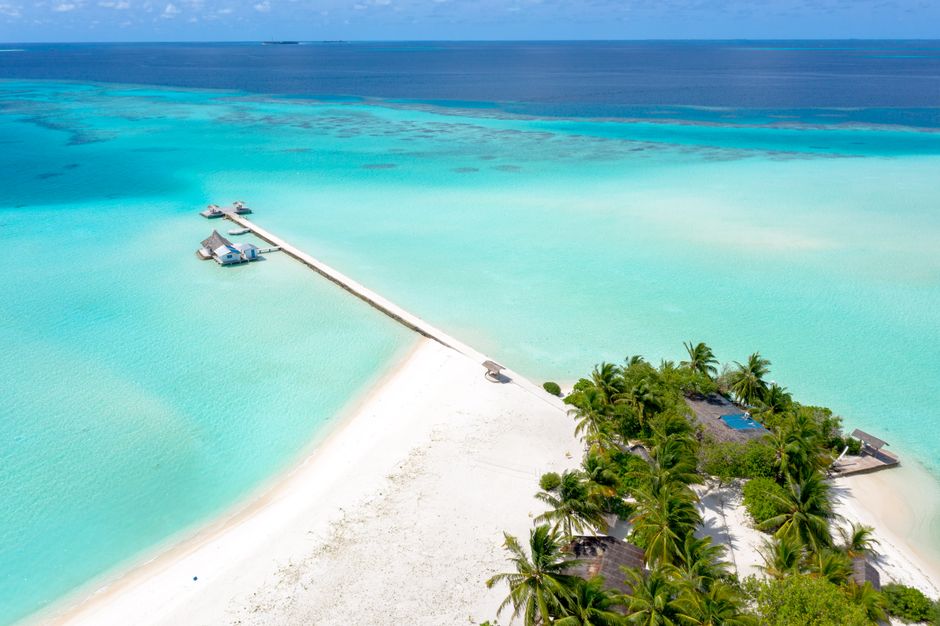
Isolated resorts and private islands suggest exclusivity. Look closely at the daily rate and it becomes a bundle of transfers, staffing and controlled access. Breaking down the price reveals what is included and which items add substantially to the bill.
Transfers are the first cost. Many private island resorts lie away from commercial flight routes and require a scheduled flight, connecting service and boat or seaplane. Factsheets often list this as a mandatory package, sometimes per person and sometimes scaled by group size.
Kokomo Private Island in Fiji lists shared air transfers from Nadi at the equivalent of around 710 euros per adult each way before taxes, or around 1,420 euros return. Private helicopter charters start at the equivalent of around 4,300 euros one way and private seaplanes at around 6,450 euros. Residences include shared transfers at two guests per bedroom; beachfront villas charge separately. At Soneva Fushi in the Maldives, shared return seaplane transfers in 2026 cost the equivalent of around 1,120 euros per adult, with a flight of about 30 minutes from Malé. Comparing room rates alone understates the cost of the journey.
Staff form the second cost. On an island without public infrastructure, permanent teams run the kitchen, housekeeping, boats and security even while guests sleep or stay away from the beach. The daily rate funds a room and that availability.
Kokomo details this in its current inclusions: beachfront villas cover à la carte breakfast, lunch and dinner including in-villa dining, a daily replenished non-alcoholic minibar, laundry and non-motorised water sports. Residences add a dedicated house butler, house nanny, private buggy and one in-residence barbecue with a private chef per stay. Alcohol is outside the daily replenished minibar and specialist activities are absent from the inclusions. Without such a breakdown, charges for extra shifts, specialist dining or night transfers remain unclear.
The third cost is exclusivity through limited capacity. An island with few villas and controlled access sells space away from other guests and public traffic. This structural cost extends beyond an add-on: empty beds and boats still need funding.
Daily rates therefore often rise steeply for individual use and fall when several villas or an entire island are booked. According to Noon Travel, Banwa Private Island in the Philippines offers individual villas from the equivalent of around 3,100 euros per night all-inclusive and full-island charter from around 20,400 euros per night for groups of up to 36. At Bawah Reserve in Indonesia, the Elang Private Residence buyout starts at the equivalent of around 15,500 euros per night for up to ten guests, while an off-peak Tented Garden Suite starts at around 1,700 euros per suite per night. Thanda Island off Tanzania rents exclusively for private use from the equivalent of around 35,000 euros per night with a five-night minimum.
All-inclusive on a private island rarely means a conventional club buffet. It usually describes a package of meals, selected drinks, local boat trips and basic activities. The advantage is predictability: the daily rate remains relatively stable while you stay within the defined scope.
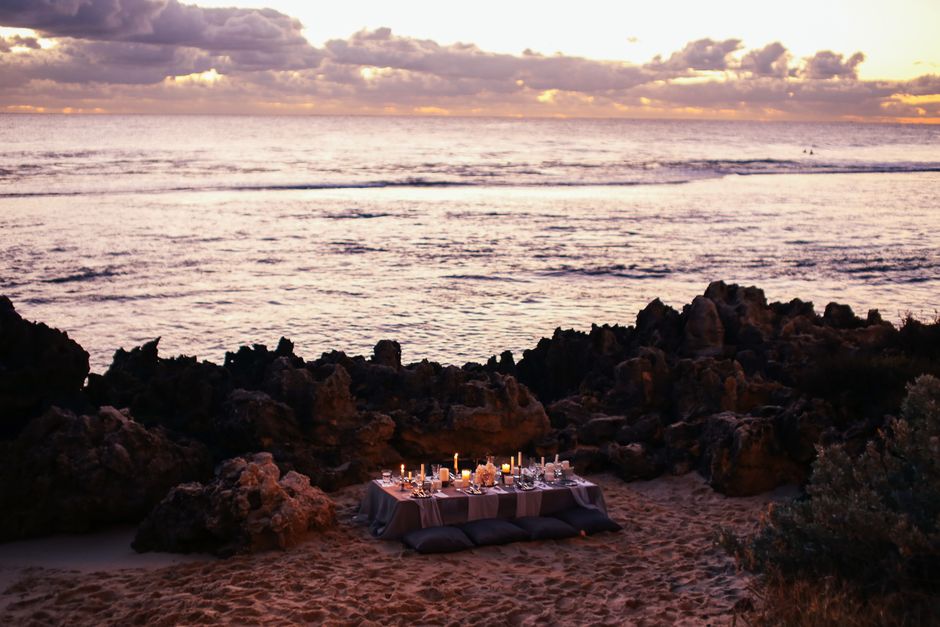
Extras change the calculation. Private beach dinners, rare wines, dives with an outside boat or spa treatments beyond the house offering are often à la carte and can noticeably increase the bill. Bawah Reserve’s 2025/2026 trade factsheet illustrates the mechanism: daily breakfast, lunch and dinner, soft drinks, yoga and Pilates classes, one spa treatment per person per night, water and land activities and up to five laundry items a day are included. Alcohol, scuba diving, bespoke experiences and the transport package from Singapore at the equivalent of around 840 euros per person are explicitly excluded.
Three off-peak nights in a Tented Garden Suite would cost around 5,100 euros for the suite plus around 1,690 euros in transfers for two guests, or about 6,800 euros before taxes and extras. Alcohol and dives raise the total because they are absent from the inclusions. Resorts rarely publish individual wine and diving prices. Ask for a written price list for planned extras before booking to calculate the difference.
À-la-carte models can appear more flexible because the base price may be lower. In practice, menus, drinks, transfers and activities require approval in advance or each day. This can suit groups with a clear agenda and limited interest in spontaneous extras. Guests who prefer less ongoing cost management may find friction and surprises on the final bill.
The boundary between included and extra matters. Many resorts list “selected beverages” or “house activities” without clear quantity or quality limits. Kokomo, for example, lists meals and non-alcoholic minibar drinks; alcohol is absent from the inclusions. Without a written list before booking, the daily rate leaves room for interpretation. During peak season and when kitchens or boats are fully booked, that list helps establish whether the planned rate holds.
The daily rate buys access, availability and isolation.
A crewed yacht or catamaran and a villa on the mainland or a shared island are natural comparisons. Charter changes the cost structure: you pay for a mobile or limited setup with a defined crew and often more transparent daily or weekly rates. Fixed island infrastructure and permanent staff availability fall away.
The Moorings lists all-inclusive crewed charter from the equivalent of around 11,300 euros for seven days and two people, at 2026 prices depending on destination and season. For the Caribbean, Vital Charters quotes 2026/27 peak-season weekly examples equivalent to around 18,000 to 47,000 euros for crewed catamarans with six to ten guests, including crew, meals and standard bar under a CYBA contract. The usual crew gratuity of 15 to 20 per cent is extra.
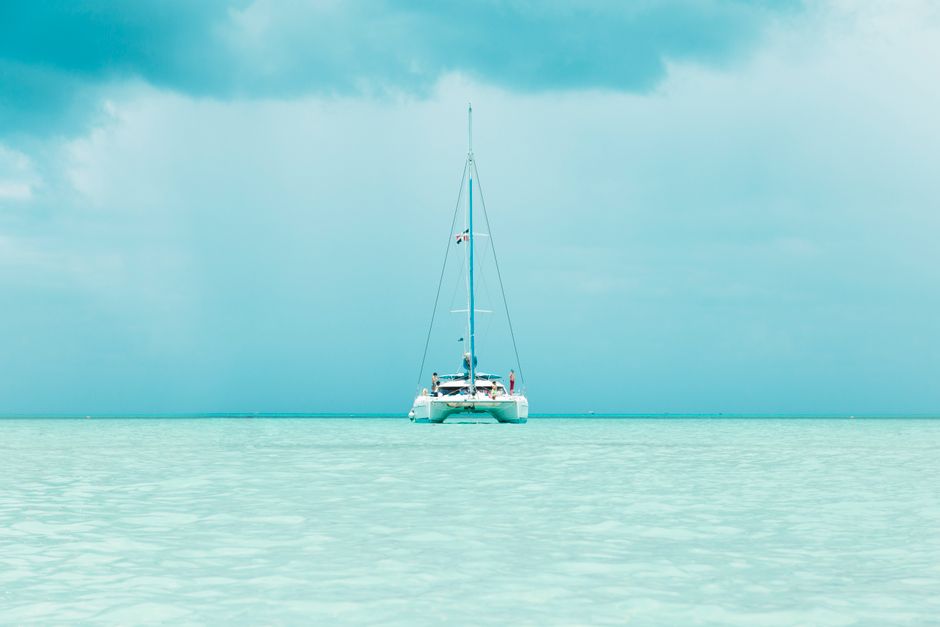
Charter offers control when the group wants to move and the route is part of the experience. Anchoring, island hopping and spontaneous changes of course are often easier than from a fixed private island with scheduled boats. The trade-off is the depth of comfort: an island’s permanent kitchen, spa and land provide stability that a yacht can only partly replace. For a long stay in one place without a transfer schedule, an island can be worthwhile despite higher fixed costs because the day has fewer logistical interruptions.
The cheaper choice depends heavily on group size and use. For a small party with high expectations of staff and dining, an island can cost more than a charter with a comparable crew. A Thanda Island full buyout for ten adults is the equivalent of around 3,500 euros per person per night before transfers and taxes. A crewed catamaran for eight to ten guests in the Caribbean range above often costs a few hundred euros per person per night. Regions and inclusions differ. The scale shows why a full buyout and extensive use of included services can change the balance. A claim that charter costs less needs comparison for the specific route and group size.
Before signing, examine the contract details. What exactly does the daily rate cover and exclude, including drinks, laundry, activities and internal transfers? Which transfer chain is mandatory, who organises it and when do cancellation or weather rules apply?
Kokomo’s factsheet specifies a 20 per cent deposit at booking. Final payment and cancellation deadlines differ by source and accommodation category; the resort’s current booking terms govern. Shared air transfers depart no later than 4 pm and are subject to weather and safety rules. Establish in writing who bears additional costs after weather-related cancellations. Comprehensive travel insurance is appropriate for this transfer chain. Maldives seaplane transfers also have daylight windows and luggage limits.
Also ask how many guests share the island or resort area and whether buyouts have clear pricing tiers. Which staff roles are available around the clock and which on request? How are medical emergencies, evacuation and communication failures covered, including insurance guidance and the nearest clinic? What minimum stays and seasonal windows apply and how do they change the effective daily rate?
These answers establish whether the planned daily rate is a reliable budget or the starting figure for an open bill. Written answers and a worked example for your stay are more useful here than general luxury promises.
This format suits travellers who value privacy from the public and settled routines over a varied route. Couples or small groups seeking privacy, staying several nights and using most inclusions gain the most from the rate. Buyouts for celebrations or retreats with a fixed programme also benefit from an enclosed setting without changing guests.
It is less suited to guests seeking spontaneous changes of location, urban service or many restaurants and shops. If transfers feel burdensome and you plan only one or two nights, the fixed costs weigh disproportionately. Rate cards often set contractual minimums: Bawah requires at least three nights outside the festive period and five during Festive Peak Season; Thanda requires five nights. According to Noon Travel, North Island in the Seychelles starts at about 6,000 euros per villa per night. Groups should compare individual villas with a full buyout.
Private islands and private island resorts follow a distinct operating model. The daily rate buys access, availability and isolation. If those matter to you and you clarify the open items in advance, you can assess the price. Charter and conventional villas can offer a more transparent and suitable calculation for other priorities.
At Banwa Private Island, an all-inclusive villa starts at the equivalent of around 3,100 euros per night and full-island charter at around 20,400 euros for groups of up to 36. When a group fills most of the island and plans a fixed programme, the price per person falls considerably. Buyouts suit celebrations and retreats because access and arrangements can be planned without outside guests.
Ask for a written list of inclusions covering drinks, laundry, activities and internal transfers. Have the mandatory transfer chain, cancellation deadlines and weather rules documented and request a worked example for your actual stay. Many resorts use vague phrases such as “selected beverages”. The written list establishes whether the planned rate is reliable.
Charter funds a mobile setup with a defined crew, without fixed island infrastructure and permanent standby staffing. In the Caribbean range, crewed catamarans for eight to ten guests often cost a few hundred euros per person per night, while a Thanda buyout for ten adults starts at the equivalent of around 3,500 euros per person per night. Regions and inclusions differ. The comparison depends on group size, preferred route and the desired level of comfort ashore.
Quiet places, houses with history and travel at the right pace. Stay in //Travel.