Slow Stay · Italy Redistributed
Albergo Diffuso: Sleeping Across the Village
No hotel built on the village edge. Rooms in restored houses, breakfast in the village center, and the walk there is already the journey.

 Hotels & Hideaways
No hotel built on the village edge. Rooms in restored houses, breakfast in the village center, and the walk there is already the journey.
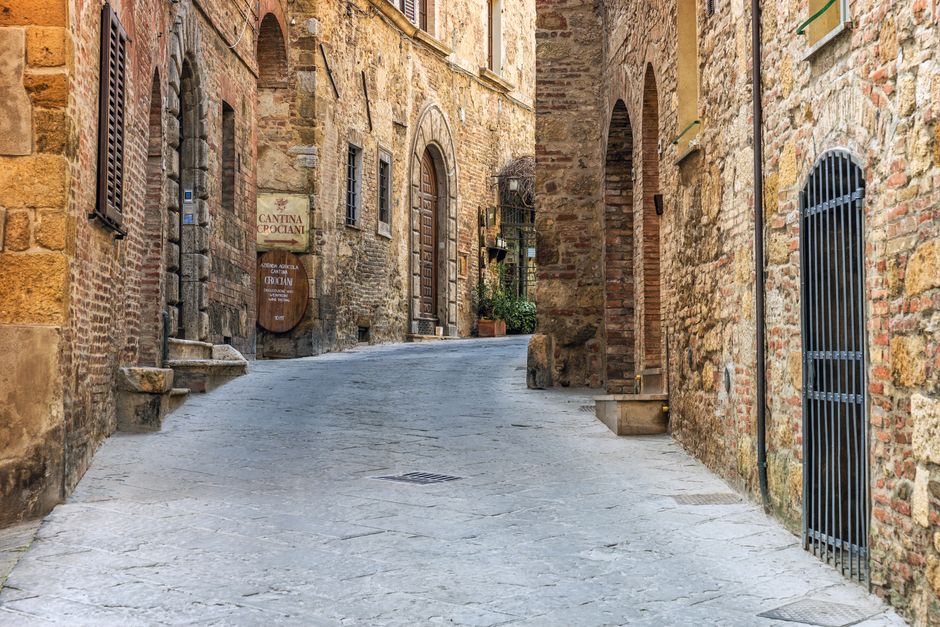
You do not check in at a lobby with carpet and scent machines. You stand on a village square of stone. The key sits heavy in your hand. Your room is three alleys away in a house older than your passport. Between bed and breakfast lies the village. Exactly as it should be.
Albergo Diffuso sounds like a technical term and feels like deceleration. A dispersed hotel: rooms and suites live in restored houses spread across the village. Reception, restaurant, and service stay central. You live inside the fabric, not behind a hotel wall.
Italian hospitality thinker Giancarlo Dall’Ara shaped the concept. It matured in the years after the Friuli earthquake of 1976, when villages had to be rebuilt and brought back to life. The question was practical: How do you bring guests without stacking new concrete blocks at the village edge? The answer: use what is already there. Fill the empty spaces. Let the place be the corridor.
The Associazione Nazionale Alberghi Diffusi sets criteria for recognized properties. Those criteria demand an authentic place with dispersed units, a central reception, and hotel-level service, without turning the village into a stage set. That is the bar. Not every holiday home with a key box may claim the name.
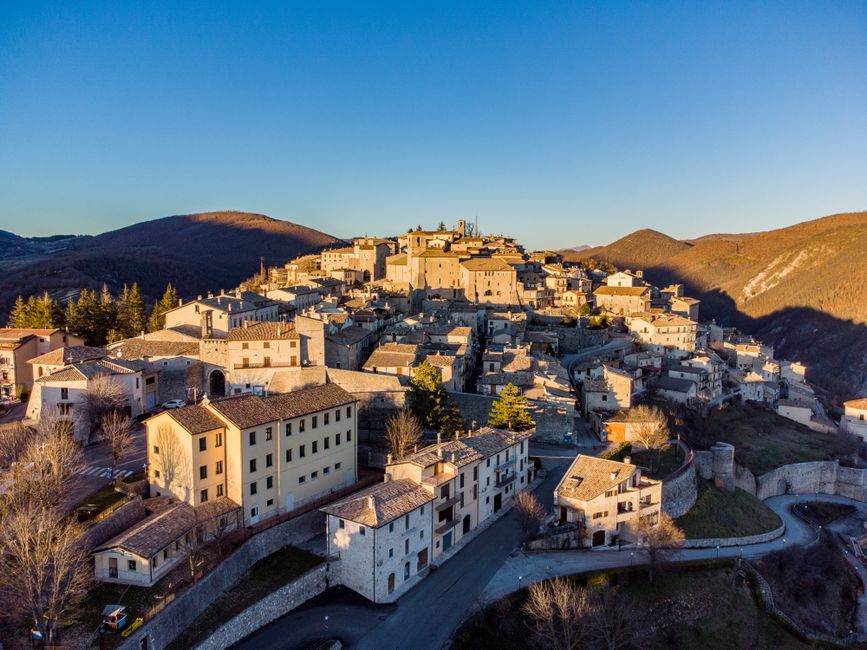
A well-known example sits in Abruzzo: Santo Stefano di Sessanio. Entrepreneur Daniele Kihlgren bought and restored buildings in the medieval mountain village and ran them as Sextantio Albergo Diffuso. You sleep inside thick walls, wake to the sound of bells, and experience the place as a temporary neighborhood.
The walk to breakfast is already the journey.
The rooms are often spare and true to materials: stone, wood, linen, little décor. No resort look that smells the same everywhere. You feel coolness in the walls and warmth in the bed. Windows open onto alleys, not corridors. At night you hear footsteps on stone instead of elevator tones.
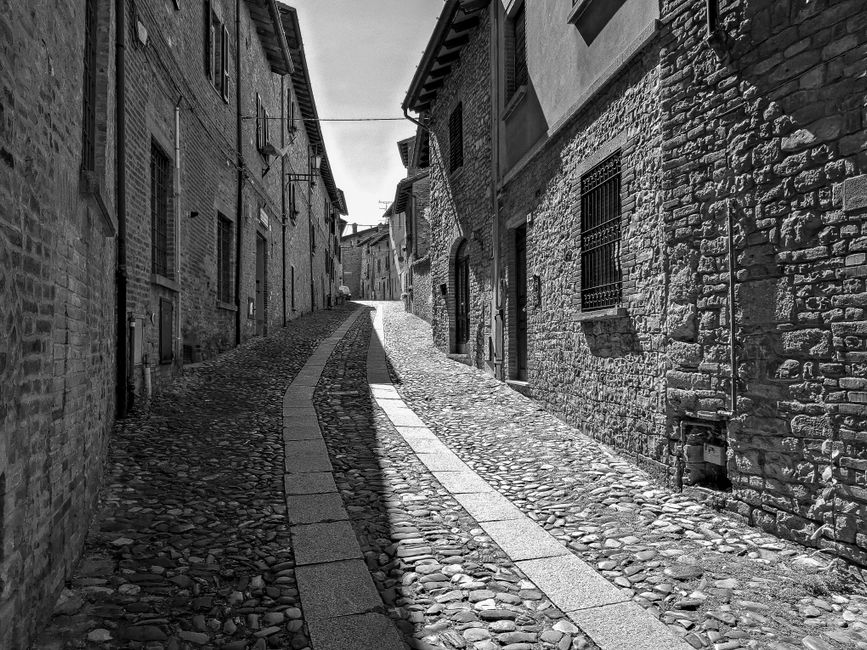
Outside you leave behind the expectation that luxury means isolation. Here luxury means closeness with distance: you can withdraw and still belong to the place. Bakery, bar, church, and view sit within reach without a shuttle. The income stays in the village fabric, because rooms, care, and kitchen need people on site.
Slow travel finds architecture here. You plan fewer attractions and more repetitions: the same alley in the morning and at night, the same square under different light. The Albergo Diffuso is for guests who check off less and stay longer in the same lanes.
Italy is still the origin and the reference. Variants of the dispersed hotel appear elsewhere, but the original is measured by its bond to place. When reception sits in a historic house and the rooms hold real addresses in the village, the idea works. When everything is only branding on holiday apartments, the core is missing.
I like the moment when you turn the key and know: behind you lies no hotel zone, only an alley where someone hangs laundry. You are a guest and part of the scene, because you stay the night and cross the square again in the morning.
In practice that means: you plan arrival and shoes, not the shuttle. In the evening you walk the same alley back and know the door by the color of the wood. In the morning you smell bread and stone before the coffee arrives. The Albergo Diffuso rewards repetition. It does not turn the village into a theme park, but into a place to stay with an address.
If you are used to resorts, you need a day to adjust. There is no spa wing on demand, but a village that was not built for you and still takes you in. That is the quiet luxury of the Albergo Diffuso: you do not buy isolation. You rent belonging for a while.
There is a central reception and hotel service, while the rooms sit in existing houses across the village. It is a system, not a single key box.
From Italy. Giancarlo Dall’Ara developed it in the context of reviving villages after the Friuli earthquake of 1976, without building new hotel fortresses.
For guests who want closeness to village life and are willing to take walks through the village as part of the stay. Less resort, more a stay at the scale of an alley.
Places of quiet, houses with history, and travel at the right pace. Stay in //Travel.