Wanderlust: The best backpacking destinations
In 2019 we recommended Laos, Bolivia and Iceland as backpacking destinations. What’s changed since then? Here’s the update with entry rules and prices that count in 2026.
In 2019 we tipped Laos, Bolivia and Iceland as top backpacking destinations. Six years on, a lot has shifted: entry rules, prices, the hype around the perfect mirror shot. Here’s the update you’ve been waiting for-with the numbers that really matter in 2026.
- Backpacking in 2026 means light luggage, small budgets, plenty of spontaneity. The ethos lives on, but the rules have changed.
- Bolivia simplified entry in 2025; a three-day Salar de Uyuni tour now costs around €140-260 depending on your starting point.
- Iceland remains Europe’s natural cinema screen, but from late 2026 you’ll need ETIAS pre-approval for Schengen entry, costing about €20.
- Laos stays one of Southeast Asia’s cheapest gems, perfect for your first long-haul backpacking trip.
- Travel loose, book little in advance, and leave room for detours. Those are the moments that stick.
What Backpacking Really Means in 2026
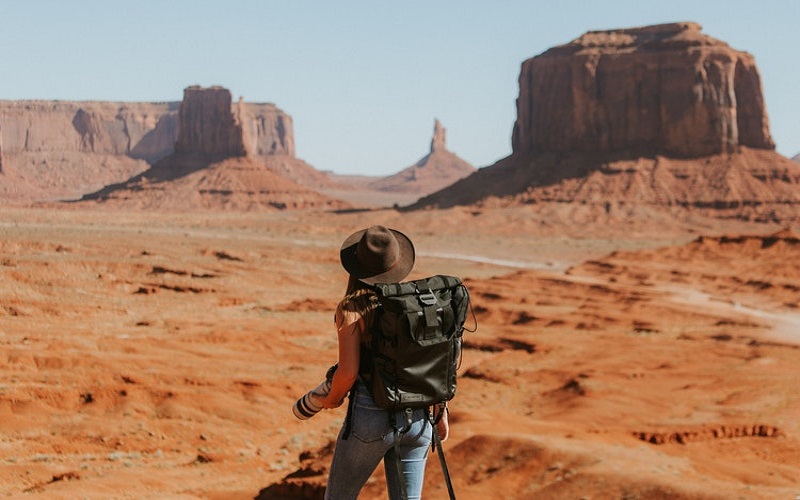
Traveling with nothing but a backpack on your back: that’s the idea that’s remained since this post first appeared in 2019. You travel on a tight budget, book accommodation on the spot instead of months in advance, get around on foot, by bus, boat, or scooter, and often decide only in the morning where you’ll sleep that evening. What has changed is the surrounding infrastructure: hostels are now booked via apps, the physical SIM card has been replaced by eSIM, and many borders now feature new digital entry systems.
The real magic hasn’t faded one bit. Less planning means more room for the encounters that make a trip unforgettable. The locals who point you to a nameless lagoon. The overnight bus conversation you’ll never forget. This isn’t the stuff of glossy reels; it’s why people have been leaving their suitcases behind for decades.
Backpacking isn’t a style-it’s an attitude: take less, experience more.
Laos: The Quiet Gateway Destination
Laos-translated as the Land of a Thousand Elephants-was our 2019 pick for anyone wanting Southeast Asia without the crowds. That still holds true. Luang Prabang in the north ranks among the region’s most beautiful cities, while the south offers the 4,000 Islands in the Mekong. You move around cheaply by boat, bus, or scooter, beds are inexpensive, and the pace is slower than in neighboring Thailand.
For your first extended backpacking trip, Laos is almost perfect. Distances are manageable, people are relaxed, and the landscape of mountains, valleys, and rice paddies removes any sense of hurry. First-time Southeast Asia backpackers will find a gentle introduction here.
Bolivia: What’s Changed Since 2019
Bolivia was our South America must-stop back then, and it’s here that the biggest changes have occurred. In 2025 the country simplified entry for several nationalities and removed visa hurdles. Travel has become easier. With roughly €25 a day, you can comfortably backpack through Bolivia-still one of the continent’s cheapest destinations.
The Salar de Uyuni remains the highlight: the world’s largest salt flat. The classic three-day tour varies in price depending on your starting point: cheapest from Uyuni itself, pricier from La Paz, and most expensive from the Chilean side in San Pedro de Atacama. Expect to pay roughly between €140 and €260 for three days, including lodging, meals, and transport. The famous mirror effect-where the sky reflects in the water across the salt-is most likely from late January to March during the rainy season. If endless white salt crusts beneath deep-blue skies are your goal, travel in the dry season from May to October.
Iceland: Nature’s Blockbuster with a New Entry Rule
Iceland in 2019 meant waterfalls, active volcanoes, and the Northern Lights, and nothing about that has changed. Ice caves, geysers, and the colorful capital Reykjavik: the island remains Europe’s most concentrated nature cinema. It’s visitable year-round, with peak season from June to August offering long days and mild temperatures.
What’s new is the paperwork at the border. Iceland is part of the Schengen Area, and from late 2026 most visa-exempt third-country nationals will need ETIAS pre-registration. It costs around €20, covers stays up to 90 days, and can be completed online in minutes. German travelers are unaffected, as the system targets guests from outside the EU. Good to know if you’re traveling with companions from overseas.
How to Pack Lighter Today
The golden rule hasn’t budged: pack everything, then remove half. A 40- to 50-liter backpack is enough for weeks on the road. Traveling light frees you up, saves on baggage fees, and gets you from the bus stop to the hostel faster. If you’re already browsing backpacks, check out our roundup of the best backpacks making a comeback right now. And if you’d rather stay closer and slower, our list of Europe’s hidden gems offers destinations reachable without a long-haul flight.
Good to Know
▸Will I soon need a visa for Iceland?
No, no visa required. Iceland is part of the Schengen Area, so entry remains free for travelers from Germany. From the end of 2026, guests from visa-exempt third countries will need the ETIAS pre-registration, which costs around 20 Euro and is valid for 90 days.
▸How much does the Salar de Uyuni tour cost in 2026?
A classic three-day tour generally ranges between 140 and 260 Euro depending on the starting point, including accommodation, meals, and transport. Traveling from Uyuni itself is the cheapest option, while starting from San Pedro de Atacama in Chile is the most expensive.
▸Which destination is suitable for a first backpacking trip?
Laos is a gentle introduction: affordable, manageable routes, and a relaxed pace. Those who prefer Europe take the least risk with a road trip through underrated regions.
▸How big should the backpack be?
For trips lasting several weeks, 40 to 50 liters is sufficient. Anything more just tempts you to pack too much. Packing light means traveling more freely and saving on baggage fees.