
RECUP – How Does the Sustainable Deposit System Work?
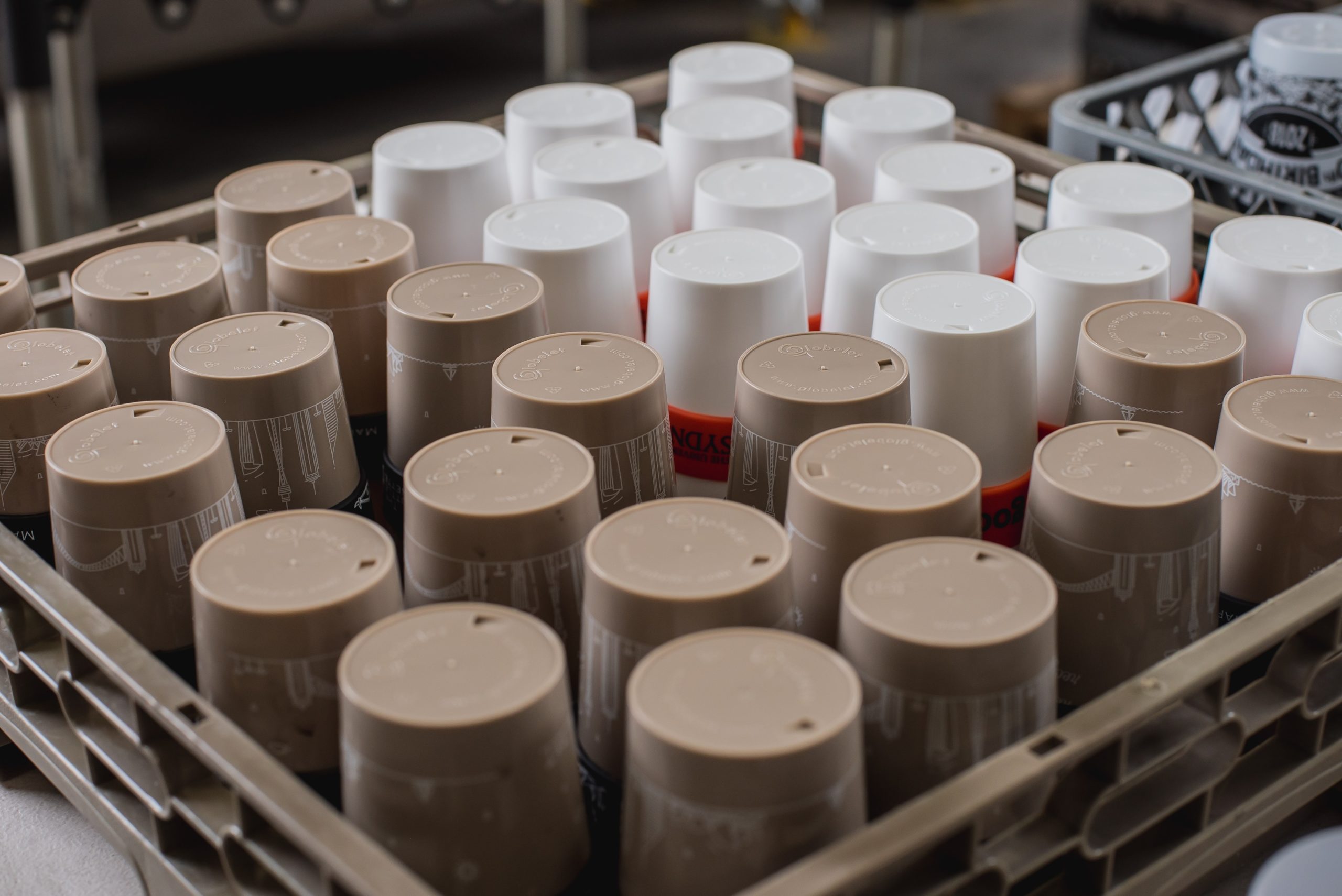
What used to be cardboard takeaway cups are now those from the brand RECUP. Many cafes here offer these cups.
In 2022, we explained how RECUP works. What remains? A reusable system doesn’t have to be complicated. You pay a deposit, use the cup or bowl, and return it to a partner. That simplicity is exactly the point.
- RECUP cups replace classic disposable cups in many cafes and bakeries.
- The alt text mentions a deposit of 1 Euro per cup.
- The cup can be returned at RECUP partners nationwide.
- The lid must be purchased according to the article.
- The REBowl applies the same principle to food.
Sustainability rarely fails in everyday life due to the grand idea. It fails because of the bag, the way back, or the question of whether you happen to have your own cup with you. According to an old youDRESSED article, RECUP addressed exactly that. The cups are visible in many places; many cafes and bakeries offer them instead of regular disposable cups. The promise: Takeaway remains possible, but waste is reduced.
The article describes RECUP as a deposit system against throwaway culture. Viewed soberly, this is the right category. It’s not about weaning people off drinking on the go. It’s about removing the container from single-use logic. If a system is convenient enough, sustainability doesn’t always have to look like sacrifice.
RECUP and the Little Revolution on the Cup Shelf
The startup’s motto is described in the original text as a REvolution. The mission: significantly reduce waste by replacing plastic packaging. According to the website, a single RECUP cup can replace roughly 1.000 disposable cups. This figure remains here as a reference from the older article. What’s interesting isn’t just the number, but the mindset behind it. A cup isn’t thrown away after one use; it circulates.
The second product, the REBowl, applies this same logic to takeaway food. Especially during and after the pandemic, the to-go philosophy has reportedly gained traction again. Eating and drinking on the move aren’t going away just because waste is a problem. So we need systems that fit reality. RECUP aims for exactly that: less packaging waste without making daily life artificially difficult.
Reusable systems work when they don’t feel like a moral side project, but simply like the standard way of doing things.
How the Deposit System Works
The mechanism is straightforward. When you buy a coffee in a RECUP cup, you pay a 1 Euro deposit, according to the article. While you’re using it, the cup belongs to you. Afterward, you can return it to any of the nationwide RECUP partners and get your deposit back. The lid is the exception: it must be purchased separately. This distinction matters because it clarifies the hygiene and usage logic of the system without overcomplicating it.
The REBowl works on a similar principle. It’s also about taking food to go, just without single-use packaging. The older article also mentions an app that lists partner locations. This solves a core problem of deposit systems: you need to know where you can return the item. If returning it is a hassle, the cup stays in your kitchen. If it’s easy, the system keeps circulating.
Why Keeping It Is Still Allowed
The text notes that you can also keep the cups and use them for your own picnics. It’s a charming aside because it keeps the system from feeling dogmatic. Circulation is certainly the main goal. But a reused cup at home is still far better than a disposable one used for 10 minutes.
The older article also touches on the design: the cups are stylish, and their color serves as a visible statement toward sustainability. That’s not trivial. Everyday objects spread ideas more effectively when people actually enjoy using them. A cup that looks good is more likely to be carried around, shown off, and reused.
Looking back, RECUP emerges as a pragmatic sustainability solution. No grand asceticism, no finger-wagging-just a deposit, a partner network, and an object that, at its best, gets used countless times. That’s exactly how better habits are built: not through moral pressure, but through simple, accessible paths.
The Real Test Is Everyday Practicality
Many sustainability ideas look convincing on posters but fail in daily life. That’s why RECUP is interesting – it doesn’t describe a complicated ideal. You buy coffee, pay the deposit, return the cup. This simplicity isn’t trivial. It’s the prerequisite for people to participate who don’t want to read a concept first thing in the morning.
The mention of the app is more than just convenience. Return is the critical point of any deposit system. If you have to search for a long time, the cup stays behind. If the next location is easy to find, reuse becomes normal. Systems don’t change habits through good intentions alone, but through short paths.
The REBowl also shows that the problem is bigger than just coffee. To-go affects drinks and food, office life and park benches, lunch breaks and the way home. A more sustainable system must withstand these situations. RECUP and REBowl address exactly this: not against mobile everyday life, but against the disposable packaging within it.
The original article also shows why design matters in reuse. If a cup is visible and pleasant, it becomes part of everyday life. No one wants to carry around constant guilt. A good system makes the better choice normal, not harder.
Exactly that is the strength of the deposit idea. It treats packaging not as waste, but as an object with a return path. As soon as this return path is simple enough, single-use loses some of its convenience.
Naturally, a cup alone doesn’t solve the entire packaging problem. But it solves a specific everyday situation, and exactly those kinds of solutions count. Coffee on the go, takeout lunch, quick returns at the next partner: These are small gestures that only work if they fit into the daily routine.
Quick Answers
▸How much deposit does a RECUP cup cost?
The original article mentions 1 Euro deposit per cup. After returning it to a partner, you get the deposit back.
▸Can I return the cup everywhere?
The text refers to nationwide RECUP partners in Germany. According to the article, the app helps find suitable return locations.
▸What is the REBowl?
The REBowl applies the reuse principle to takeaway food and aims to reduce packaging waste from takeout meals.


