Martinique: The tropical France
Mountains, waterfalls and black-sand beaches: in 2019 we introduced Martinique as a tropical slice of France. Today the island proudly bears UNESCO World Heritage status. We’ve dusted off this classic and updated it with what really matters now.
When we first featured Martinique in summer 2019, the island was still a well-kept secret among Caribbean travelers. Six years on, things have shifted: since September 2023 the volcanoes and forests around Montagne Pelée have been inscribed on the UNESCO World Heritage List. What was once a hidden gem is now a certified destination. High time, then, to bring our classic up to date and show you what this French Caribbean island stands for today.
- Martinique is a French overseas department in the Caribbean, part of the EU, and you pay in euros-no currency exchange needed.
- The Montagne Pelée (1,397 m) and the Pitons in the north have been UNESCO World Heritage sites since 2023.
- Best travel window is the dry season from December to April; hurricane season runs June to November.
- 250 kilometers of hiking trails, black and white beaches, kitesurfing, canyoning and diving-all in one place.
- French is the official language; Martinican Creole is widely spoken.
Why Martinique Belongs to France
The island lies north of Venezuela and is part of the Lesser Antilles, a volcanic island arc. Unlike most Caribbean islands, you won’t hear Spanish or English here-French is the language of the day. The reason goes back centuries: since 1635, Martinique has been under French control. Today, the island is a full-fledged overseas department, part of the European Union, and uses the euro as its currency. In practical terms for you: no currency exchange, EU roaming on your phone, and EU law in the background. Travellers from Germany can stay for up to 90 days without a visa.
History is literally embedded in the capital, Fort-de-France: Joséphine de Tascher, Napoleon’s first wife, was born on Martinique. Her statue in the central La Savane square has sparked controversy in recent years because of her ties to slavery. The island openly engages with this debate, and that’s precisely what makes it such a compelling destination: here you encounter European history, Caribbean present, and Creole culture all at once.
The New UNESCO World Heritage Site in the North
The biggest update since our last report: in September 2023, UNESCO designated the volcanoes and forests of Montagne Pelée along with the Pitons in northern Martinique as World Heritage Sites. The protected area spans roughly 14,000 hectares of rainforest and volcanic terrain. Montagne Pelée, at 1,397 metres, is the island’s highest point and one of the world’s most famous active volcanoes.
The 1902 eruption obliterated the former island capital of Saint-Pierre and remains one of the deadliest volcanic disasters of the 20th century.
For you as a visitor, the World Heritage label means one thing above all: the island’s northern nature is protected and well set up for tourism. Guided ascents of Montagne Pelée are standard, and those who reach the summit enjoy unobstructed views across the entire island to the open sea. Saint-Pierre itself, once dubbed “the Paris of the Caribbean,” is worth a stop: the ruins of the old theatre and the volcano museum recount the 1902 disaster.
Madinina: Island of Flowers
Locals call Martinique “Madinina,” the island of flowers. The name fits: the tropical climate keeps temperatures rarely below 20 °C year-round and nurtures lush flora. Inland, high rainfall has created dense rainforest-noticeably cooler and more humid than the coast. From a riot of flowering plants to towering tropical trees, the island’s biodiversity is on full display.
Activities: from Hiking to Kitesurfing
Martinique boasts a well-maintained hiking network of about 250 kilometres, extending all the way up to Montagne Pelée. Beyond classic trekking routes, there’s plenty more to enjoy:
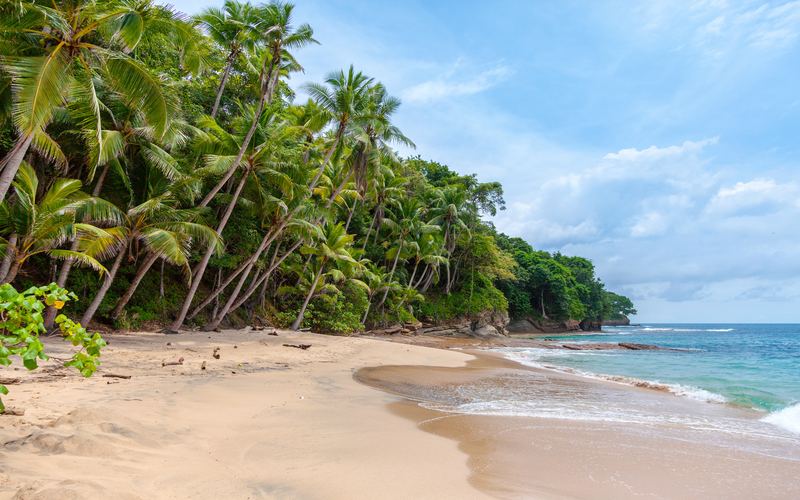
Water lovers can paddle canoes on the rivers or try canyoning. The sheltered bays of Le Robert and Le François in the east are top spots for wind- and kitesurfing. Beneath the waves, divers find coral gardens and the vibrant underwater world of the Antilles. And the beaches? They come in two hues: fine white sand in the south, dark volcanic sand in the north.
Our Highlight: the Georges de la Falaise Gorge
In the island’s north lies our personal recommendation, the Georges de la Falaise gorge. The route descends steeply into the ravine. Once down, you hike along the river to a waterfall-perfect on hot days, as the gorge stays refreshingly cool. We advise taking this tour with a local guide, because the path can be slippery after rain and the water’s flow unpredictable.
Travel Tip: Martinique is warm year-round. The most comfortable time to visit is the dry season from December to April, when average temperatures hover around 26 °C and rainfall is lighter. The official hurricane season runs from June to November, so keep an eye on the weather if you travel during that window.
Good to Know
▸Do I need a visa for Martinique?
No. Martinique is a French overseas department and thus part of the EU. As a German citizen, you can enter visa-free for stays up to 90 days and only need a valid passport or ID card.
▸What currency is used on Martinique?
The Euro. Since the island is part of the EU, there’s no need to exchange money-you pay just as you would at home, and contactless card payments usually work without issues.
▸When is the best time to visit?
The dry season from December to April. Average temperatures hover around 26°C, and rainfall is rare. From June to November is hurricane season, when travel is cheaper but weather-dependent.
▸What UNESCO World Heritage sites are in Martinique?
Since September 2023, the volcanoes and forests of Montagne Pelée and the northern Pitons have been listed as UNESCO World Heritage sites. The protected area spans roughly 14,000 hectares of rainforest and volcanic landscape.
If you’re looking for an island that blends Caribbean nature with European comfort, Martinique is the place for you. For more travel inspiration that truly stands out, check out our piece on why solo travel is more than just a trend and our take on how Sylt is fighting back against the ultra-wealthy.