
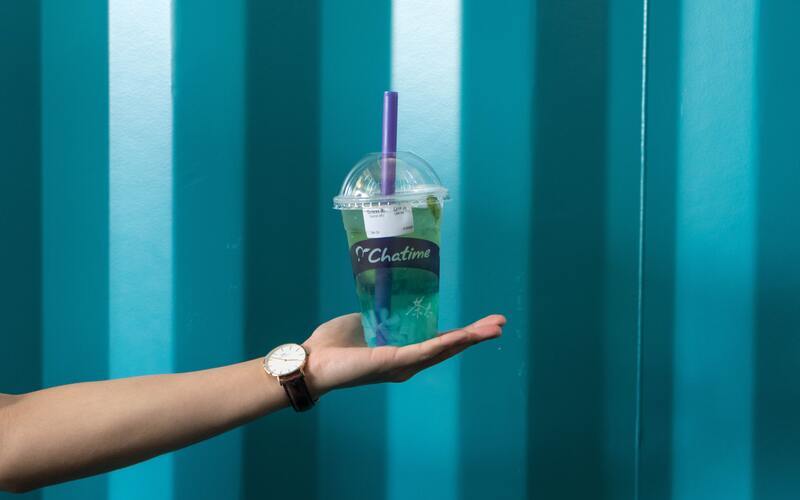
Bubble tea is back: The comeback of the trend drink
Almost ten years ago, bubble tea was a real trend drink. But the one-hit wonder quickly faded away again. The question is: Why is it back now?
In 2022 we reported on the comeback of bubble tea. What came out of it? The archived article mainly shows why this drink was never just tea: It’s color in the cup, chewing while drinking, and a little pop culture moment between tapioca pearls, K-pop, and the question which variety is the right one today.
- Bubble tea originated in Taiwan and only became trendy in the West much later.
- According to the original text, Germany’s first major peak occurred around 2010.
- Boba tea, bubble tea, and milk tea describe variants of the same beverage universe.
- The tapioca pearls come from cassava and are combined with tea, milk, or juice according to taste.
- Social media, anime, K-pop, and cup sleeve events helped fuel its comeback.
Why the cup still shines
The old article presents a simple question: Why are Bubble Tea-Shops suddenly appearing again? The answer is not in one ingredient. Bubble Tea is a drink that works on images, at the store, and in hand. It can look orange with pine, brown with cocoa or green with matcha. This color isn’t an after-effect but part of the experience. You don’t just buy thirst relievers-you create a small object with yourself.
Bubble Tea has many names. Some say Boba Tea, others Milk Tea, because milk often forms the base. Traditionally, it’s recognized by Tapiokaperls. These pearls are plant-based and initially tasteless. With combinations like tea, milk, fruit flavors, and pearls, it can be varied so that the first favorite never becomes the last. In this way, the danger and fun lie in trying. You must try.
Taiwan, 2010 and the second opportunity
The origin leads to Taiwan. The text refers to the 80s as early phases, long before Bubble Tea appeared in Western countries. In Germany, the big moment came later. By 2010, the drink suddenly appeared at the edges of many places, then quickly disappeared from the cityscape. The archival article from 2022 shows the second opportunity: new shops, increased visibility, more cultural context.
This second opportunity feels less like a pure trend drink. Instagram and TikTok made the cup visible again, but they weren’t alone. The old text also mentions the growing influence of Asian culture, especially through K-pop and anime. Bubble-Tea-Shops became places where taste and fan culture meet. Cupsleeve events, small birthday celebrations for K-pop members, make the purchase into a shared ritual. The cup becomes the entry card to a scene, at least for a day.
What you should order
The article organizes the most popular directions clearly: sweet, fruity, tropical. Litschi, Mango, and Passionfruit stand out prominently. To them come Pineapple, Green Tea, Orange, and many other variations. This isn’t necessarily quiet, but it’s consistent. Bubble Tea lives on choice. Those who love pure drinks might still feel skeptical about it. Those who enjoy combining get things get a space to play.
The best order is rarely the objective right choice. It fits your day. On hot days, it can be sweet; on Matcha, it can be warmer; on milk tea, it can be softer. Important is that the pearls aren’t just decoration-they change the pace, because you don’t drink the drink beside you. You sip, pause, decide at the next sip. Maybe that’s why Bubble Tea came back: it forces a drink to bring a small moment back into the present.
Why the comeback looks plausible
The first Bubble Tea hype was quick and easy, and quickly faded away. At the second opportunity, the cup feels stable because it’s not just a drink-it has its own small drama: choosing the type, selecting the pearls, seeing the color, bringing the cup. This makes it social as much as many drinks. You don’t just meet on a cup-you compare decisions.
It also complements Anime, K-pop, and Cupsleeve events. The old article describes Bubble-Tea-Shops not as just sales points, but as meeting points for pop culture. Exactly that explains why the cup can have more than just a sweet drink-because it’s low-key enough for daily life and strikingly suitable for a photo.
Despite all that, taste remains the decisive point. Tapiokapers alone don’t add a drink when the rest is boring. The strength lies in the combination of base, fruit, milk, and texture. Choosing Litschi, Mango, or Passionfruit seeks freshness. Choosing Matcha or coffee wants depth. Bubble Tea is not a type-it’s a system for trying.
How to contextualize the hype
The original article frames Bubble Tea as a comeback, but it also clarifies why the drink can be polarizing. It’s sweet, eye-catching, and highly versatile. Those seeking quiet tea culture might not warm up to it. But if you enjoy texture, color, and choice, the appeal becomes clear quickly. That’s precisely why Bubble Tea feels less like traditional tea and more like a dessert in a cup.
The tapioca pearls are the key differentiator. Without them, much of this would just be iced tea, milk tea, or fruit punch. With them, the drink gains its own rhythm. You don’t just sip; you chew. This may seem minor, but it transforms the moment. It slows the experience down and adds a touch of playfulness.
This keeps the cup from being merely nostalgic, turning it instead into a beverage with its own little choreography.
The cup can be sweet, but it needs balance: enough fruit, enough tea, enough texture. Only then do you understand how a fleeting trend can evolve into a familiar routine.
Bubble Tea is no quiet drink. It demands to be seen, mixed, and sipped slowly enough for the pearls to take center stage.
Good to Know
▸Where does Bubble Tea come from?
The alt text places its origins in Taiwan and cites the 1980s as its early phase.
▸Why is it also called Boba Tea?
Boba refers to the pearls in the drink. In everyday usage, Bubble Tea, Boba Tea, and Milk Tea are often used interchangeably.
▸Which varieties suit summer?
The article highlights fruity and tropical options such as lychee, mango, and passion fruit.
▸What do K-Pop events have to do with it?
Cupsleeve events at Bubble Tea shops combine beverage purchases with fan culture, such as birthday campaigns for K-Pop idols.


