Guide · Millésime
Vintage Champagne: What millésime means on the label
What Millésime means on a Champagne label: a single harvest, at least 36 months of ageing. Plus the sweetness levels from Brut nature to Doux and how to store it.

 Wine & Spirits
What Millésime means on a Champagne label: a single harvest, at least 36 months of ageing. Plus the sweetness levels from Brut nature to Doux and how to store it.
Most Champagne bottles carry no year. When one appears on the label, often alongside the word Millésime, it changes things. The number is a promise about the wine’s origin and ageing time. Once you know what it means, you can read the label more closely and store the bottle properly.
A vintage Champagne comes from a single harvest. The Comité Champagne, the region’s trade association, puts it clearly: it consists exclusively of wines made from grapes picked in the stated year. Reserve wines from older harvests are not included.
That is what sets it apart from the norm. Most Champagnes are non-vintage cuvées. Cellar masters blend wines from several years to keep a house’s style consistent from one year to the next. Older reserve wines balance out a weaker harvest. That is why these bottles carry no year.
With a vintage, that cushion disappears. The year stands on its own, with all its strengths and distinctive qualities. A house must make a deliberate decision about whether a harvest can stand on its own. You can recognise it on the bottle by two features. The year appears on the label, often alongside the word Millésime or Vintage. If the year is missing, there is no promise of a single harvest, however elegant the presentation.
Whether a vintage is made depends on the weather in the vineyard. According to the Comité Champagne, houses typically release a vintage in years with an exceptionally good harvest. On its page on vintage Champagne , the association gives a second reason: a year can have a distinctive character worth preserving. Any type of Champagne can be a vintage. The cellar master alone determines the style. The association describes vintage Champagne as a wine of great character that carries the hallmarks of its year.
The Comité describes a typical vintage Champagne as golden yellow to deep gold in colour, with a toasted, complex and mature nose. It lists aromas of forest floor, gingerbread, dried fruit, coffee, cocoa and raisins. On the palate, according to the association, it is rich and generous, with a full, lingering impression. Toasted notes of bread and rusk are typical. If you are looking for a fresh, citrusy aperitif, a young non-vintage Champagne is often a better choice.
This means two things for you. First, many houses do not release a vintage every year. Second, two vintages from the same house taste different. That is deliberate. If you are looking for the house style, reach for a non-vintage cuvée. If you want to know how a particular summer tasted, reach for a vintage.
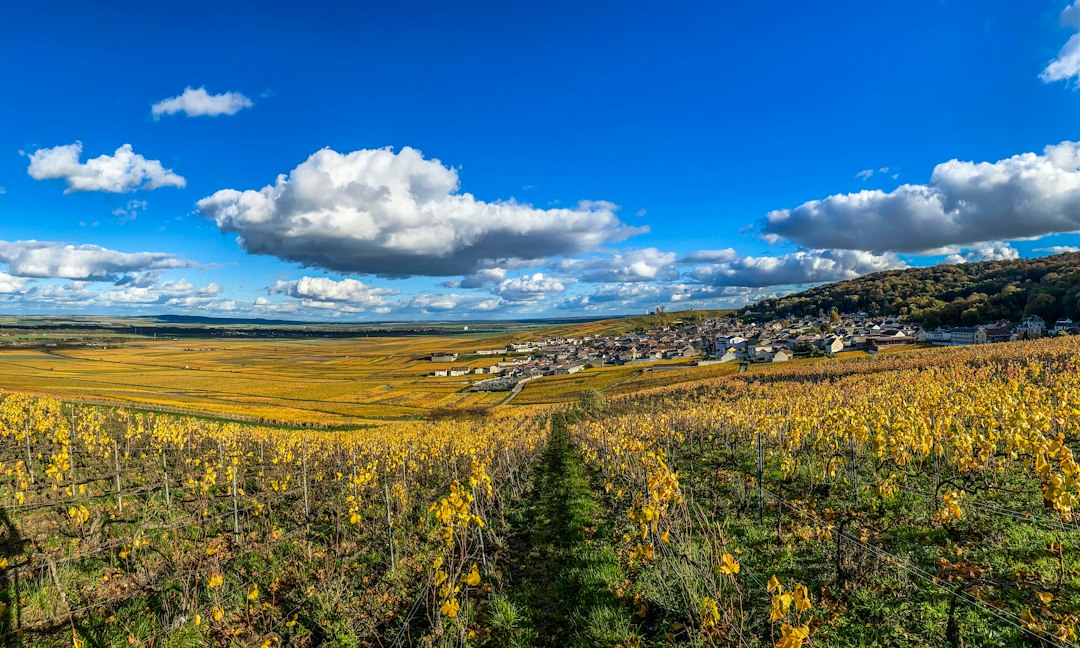
In the vineyard, the same rules apply to vintage and non-vintage cuvées. The AOC fact sheet specifies a strictly defined area, seven permitted grape varieties and four approved pruning methods. The yield per hectare is limited and set each year before the harvest. The yield from pressing is also limited. These rules are founded on a decree of 1936, which recognised the Champagne appellation.
If you are looking for the house style, reach for a non-vintage cuvée. If you want to know how a particular summer tasted, reach for a vintage.
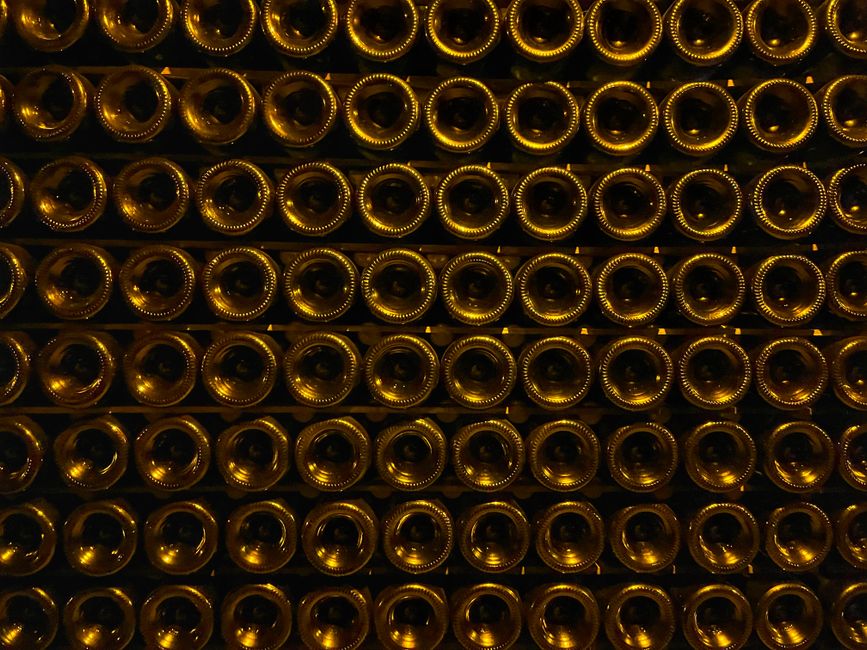
The second promise concerns time. Under the appellation rules, which the Comité summarises in its AOC Champagne fact sheet , non-vintage Champagne must age in the cellar for at least 15 months. For vintage Champagne, the minimum is 36 months. The period begins at bottling. A fact sheet from the wine merchant Gute Weine Lobenberg gives the same figure of 36 months of ageing on the lees for vintage Champagne.
Three years is the minimum. In practice, according to the Comité, ageing almost always takes longer: two to three years for non-vintage Champagne, four to ten years for vintage Champagne. A long time in the cellar is therefore the norm in Champagne.
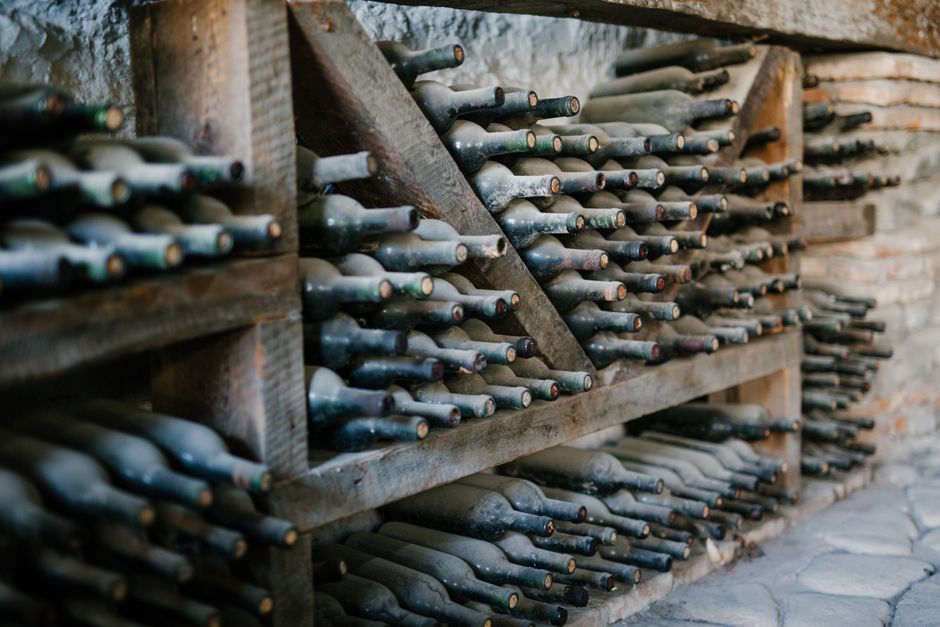
According to the Comité, bottling takes place from 1 January after the harvest. The second fermentation follows in the bottle, known in French as prise de mousse. The yeasts multiply and die at the end of fermentation. They form the lees on which the wine then ages. Meanwhile, tiny amounts of oxygen enter the bottle and small amounts of carbon dioxide escape.
The association explains what happens during this time on its page about ageing on the lees. The dead yeast cells break down in the bottle, a process known as autolysis. Together with slow oxidation, this creates tertiary aromas, notes of maturity and richness. For this to happen, the cellar needs a stable environment: constant protection from light and a steady temperature of around 12 degrees.
Alongside the year, every bottle carries a second term that tells you a great deal about the taste: the sweetness level. This mandatory indication states the sugar content of the finished wine, which depends chiefly on the dosage, the addition made after disgorging. The Comité Champagne lists the levels as follows:
| Label indication | Sugar per litre |
|---|---|
| Brut nature, Pas dosé, Dosage zéro | under 3 grams, no added sugar |
| Extra Brut | 0 to 6 grams |
| Brut | under 12 grams |
| Extra Dry | 12 to 17 grams |
| Sec | 17 to 32 grams |
| Demi-Sec | 32 to 50 grams |
| Doux | over 50 grams |
Source: Comité Champagne, FAQ.
The terms are easy to confuse. Extra Dry sounds drier than Brut but contains more sugar. Sec means dry, yet it is noticeably sweeter than a Brut.
With a vintage, this line is especially worth checking. In a mature wine with its own aromas of dried fruit and pastry, even a little sugar can change the overall impression.
Other mandatory details usually appear on the back label. These include the alcohol content, volume, producer and commune, a registration number and the lot number. The year itself is optional. But producers who print it must follow the stricter rules for vintage Champagne.
In the shop, three quick checks are enough. The year tells you that all the grapes come from one harvest and that the wine has spent at least three years on its lees. The sweetness level tells you how dry it tastes. The back label names the producer, commune and lot number. If there is no year, the minimum ageing period of 15 months applies. The bottle will usually contain a cuvée from several harvests. That is no flaw, just a different approach.
A vintage leaves the cellar mature after at least three years. If you keep it longer at home, you need a suitable place. The Comité recommends a dark, odour-free, ventilated room at 10 to 15 degrees and 60 to 80 per cent humidity. Whether the bottle lies down or stands upright hardly matters. In the humid air, the cork will not dry out.
The fridge is not a place for storage. To chill the bottle, put it in the lower section a few hours before opening. So if you plan to open a vintage at the end of the year, take it out of the cellar that afternoon rather than a week beforehand.
The year on a Champagne bottle is more than decoration. It guarantees a single harvest and at least three years of ageing in the bottle. A vintage is worth choosing if you are looking for the aromas of maturity: pastry, dried fruit, coffee. Check the sweetness level too. A Brut or Extra Brut lets those aromas shine most clearly. For a fresh aperitif without too much deliberation, a non-vintage cuvée remains the right bottle.
Millésime means vintage. The Champagne is made exclusively from wines of the harvest stated on the label and has aged in the cellar for at least 36 months.
No. Extra Dry contains 12 to 17 grams of sugar per litre, while Brut contains under 12 grams. Extra Brut and Brut nature are drier than Brut.
The Comité Champagne recommends a dark, odour-free, ventilated room at 10 to 15 degrees and 60 to 80 per cent humidity. Whether the bottle lies down or stands upright hardly matters. The fridge is only suitable for chilling the bottle a few hours before opening.
More places, bottles and rituals that celebrate taste without the show.