//Taste · Wine
Sauvignon Blanc from the Loire and Styria
Sauvignon Blanc from the Loire and Südsteiermark: flint, cool nights and time in oak.

 Wine & Spirits
Sauvignon Blanc from the Loire and Südsteiermark: flint, cool nights and time in oak.
You take the glass and wait for the trade wind. Passion fruit. Gooseberry. Something that smells of flights and pools. Instead comes cold stone. A hint of smoke. Citrus that does not shout. Sauvignon can be so quiet that you understand it only on the second sip.
For a long time, most guests had fixed the grape variety to one code: loud, green, tropical, immediate. The code has its place. It has also colonised expectations. Drink in the European places where Sauvignon is taken seriously and you soon notice: the grape is a carrier. The place decides whether it roars or breathes.
What keeps me interested is no contest between bottles. It is the question of why two such different landscapes – the Loire around St. Andelain and the Steiermark high plateau at Zieregg – turn the same material into something you cannot tick off at the first smell. Two shores. One grape. No joint marketing cuvée. Just a shared contradiction of the trade wind in the glass.
When guests order “Sauvignon”, they often mean a feeling: freshness as an event. Aromatics as volume. It works on warm evenings and in large glasses. It grows weak when you seek structure – something still there after the first sip, as the conversation continues.
European craft Sauvignon works against that expectation. The reason lies in soil and climate. Flint on the Loire. Cool nights and steep sites in Südsteiermark. Less tropical show, more texture, more line. You are drinking how the place restrains the grape, rather than “the variety”.
This is where it becomes interesting: in the right hands Sauvignon can age as well and express its place as faithfully as the great whites we already treat with respect.
In Pouilly-Fumé, in the village of St. Andelain, Domaine Didier Dagueneau lifted Sauvignon out of the “light white wine” category. Didier Dagueneau laid the foundations from the early 1980s: En Chailloux 1982, Silex 1985, Pur Sang 1988. Single-parcel thinking where others still supplied regional wines. Inspired by Burgundy’s site-based logic, built on Loire soil.
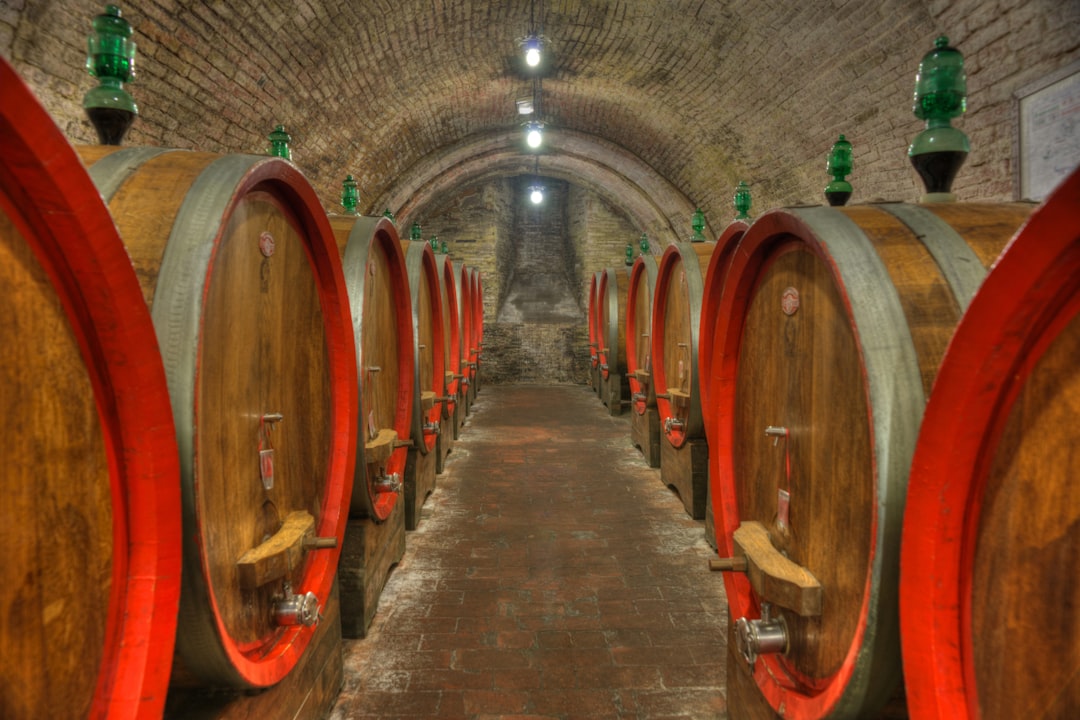
The intensity of vineyard work is still considered extreme: around one full-time worker per hectare – a ratio you might expect at the top end of Burgundy rather than on the Loire. Yields are deliberately lower than those often achieved by neighbours. Soils are ploughed, sometimes by horse, to encourage deep roots. It sounds technical. In the glass you read it as clarity: less noise, more focus.
Silex is the flagship, and the name says it all: flint. The wine rests less on bright fruit than on structure and texture. Flint, cool freshness, a line that opens only with air. The estate’s current maturation: the first year in oak, followed by several months en masse in tank before bottling. Drinkable from release, often better after five to ten years, with capacity for considerably longer cellaring.
Since Didier’s death in 2008, Louis-Benjamin Dagueneau has continued to run the estate. The wine world saw the succession as a continuation of a rigorous approach. For you as a guest, that means you are ordering a white that asks for space and patience, rather than an aperitif Sauvignon.
Sauvignon here is a place that echoes in the glass.
Far to the east, in Südsteiermark, Ried Zieregg tells another story of the same grape. Weingut Tement considers the site one of its leading vineyards. Evenings grow cool on the high plateau. The estate’s descriptions mention flint and citrus, with a darker spice beneath. No tropical trade wind. More like cool air and stony precision.
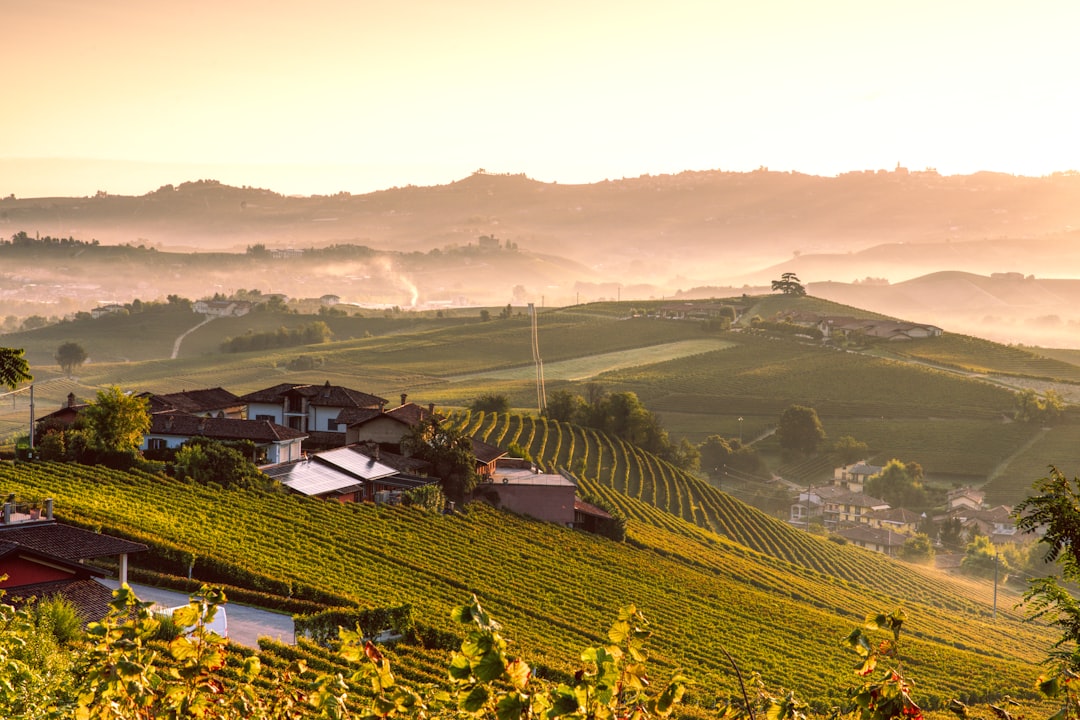
At Tement, Zieregg carries the Große STK Lage designation. STK stands for the private association Steirische Terroir- und Klassikweingüter – a Steiermark quality structure with tiers up to the great site. For you as a reader, the discipline behind the initials matters more: ambitious single-vineyard wines, maturation time, typicity rather than fashionable aromas.
In the estate shop you can see how far this approach goes. The Zieregg Vinothek Reserve Sauvignon Blanc GSTK 2019 is 99 Euro a bottle: smoky minerality, cassis, candied lemon, green fruit, rich in extract yet fine-bodied. Zieregg XT 2018 spent 78 months on its lees in large oak – Extra Time, Extra Terroir, Extra Tement. This is not a marketing gimmick. It is time as an ingredient.
Südsteiermark is considered an Austrian stronghold for Sauvignon Blanc. The regional style often tends towards herbs, white pepper, nettle and stone fruit – green, yes, but not loudly tropical. If you come from Marlborough, you need a moment to adjust. If you come from the Loire, you recognise the kinship in restraint.
There is no limited joint cuvée forcing both houses into one bottle. None is needed. The connection is conceptual: vineyard work before a show of aroma. Place before varietal cliché. Time before immediate applause.
Both poles treat Sauvignon as a material capable of carrying structure. Dagueneau with Burgundy-inspired site logic and extreme care in the vineyard. Tement with vineyard classification, a cool high plateau and long maturation through to the Vinothek and XT lines. Different soils. Different weather. The same refusal to accept the trade wind as compulsory.
What shifts is your expectation. You look for loud fruit and find line. You expect a summer aperitif and receive a white that belongs with food – and sometimes speaks properly only after years. The unspoken thought between them: that the word “Sauvignon” has become too small for what happens in these places.
Do not serve these wines as a party trick. Give them a cool, not icy temperature. A large glass. Air. And a dish that can handle structure: oysters and citrus, grilled langoustine, goat’s cheese with fresh herbs, white meat with light sauces, robust vegetables with bitter notes.
If you want to compare, do it honestly: a glass from the Loire direction beside a Steiermark wine at Zieregg level. Not to win, but to hear how the same grape writes two weathers. Flint and a cool edge here. High plateau and dense minerality there.
I return to the image at the end of the evening: one bottle that sounds of river and flint. A second that sounds of ridge and cool night. Both quiet. Both precise. Both far from the trade wind. That is why they remain in the conversation long after the loud glasses have been cleared away.
Silex is the house’s flagship and refers to flint soils in Pouilly-Fumé. The wine stands for structure and minerality rather than loud fruit.
STK is the private association Steirische Terroir- und Klassikweingüter. Große STK Lage is the highest vineyard tier and represents strict discipline in site and maturation.
No. Both lines are designed to mature: Dagueneau often peaks after several years, while Tement Zieregg has Reserve and XT expressions that deliberately use time in oak and bottle.
More places, bottles and rituals that tell of taste without a show.