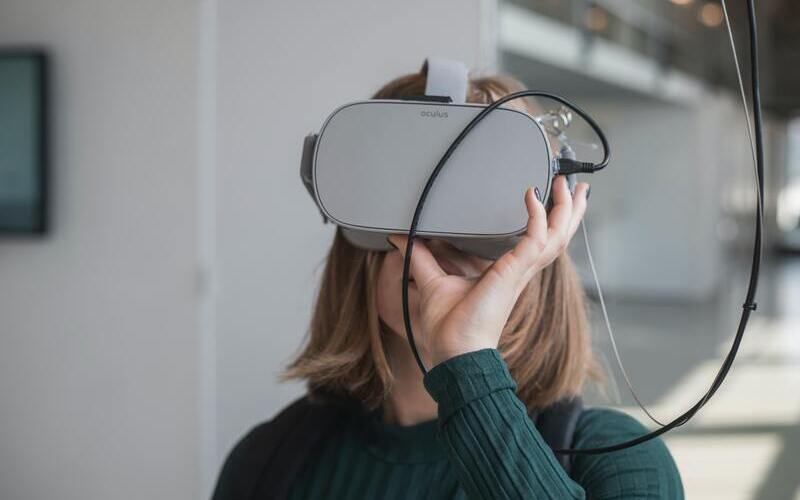
When the Metaverse becomes the next big travel destination
In 2022 we asked whether the Metaverse would replace travel. Three years and double-digit billions in losses later, the clear winner is obvious: not the avatar, but AI.
In 2022, anyone writing about the Metaverse as a travel destination imagined avatars lounging on virtual beaches. The honest verdict three years later? The Metaverse hasn’t replaced travel; as a destination, it has largely failed. What’s truly upending the industry is AI-and VR has become a teaser, not a substitute. This piece comes from our archive. We haven’t deleted it; we’ve measured it against reality. Because the question from back then can now be answered-and the answer is more compelling than the original forecast.
- Meta’s Metaverse gamble has crashed and burned: Reality Labs has burned through roughly €78 billion by the end of 2025, and Horizon Worlds never topped 200,000 monthly active users.
- Meta has even scrubbed the word “Metaverse” from internal vocabulary, pivoting fully to AI.
- Virtual travel experiences aren’t dead-they’re evolving into a teaser layer; the market is projected to climb from roughly €5 billion in 2021 to about €22 billion by 2027.
- The real disruptor for travel agencies isn’t the avatar; it’s generative AI: by 2025, 15 percent of travelers were already planning trips with AI tools.
- Travel as luxury remains physical. What you feel on the beach? No headset renders that.
What Was Promised in 2022
The idea sounded grand: pop on a headset, and suddenly you’re standing as an avatar in front of the Taj Mahal, strolling through a city you could never afford in real life, meeting fellow travelers who, like you, never set foot in an airport. The metaverse was supposed to make unreachable places accessible and democratize the expensive, complicated business of travel. Mark Zuckerberg even rechristened his company Meta in 2021 to put the bet on full display.
The logic wasn’t stupid. Travel agencies were shrinking, package tours were getting pricier, and the pandemic had just shown how quickly physical travel could grind to a halt. A digital parallel world as an escape route-on paper it made sense. Reality, however, had other plans.
What Actually Happened
The numbers are brutal. Horizon Worlds, Meta’s flagship metaverse platform, peaked shortly after launch in 2022 with fewer than 200,000 monthly active users and never recovered. The Reality Labs division had burned through roughly €78 billion by the end of 2025, with about €18 billion alone in 2025. By the time the Q3 earnings call rolled around in autumn 2024, management had stopped uttering the word “metaverse” altogether. In March 2026 Meta even announced it would shutter the VR version of Horizon Worlds-only to partially backtrack two days later-but left no doubt: development is pivoting away from headsets.

Instead, the money has gone elsewhere. Meta’s Ray-Ban smartglasses sold more than seven million units in 2025, tripling prior-year sales. That’s the hardware taking off: a lightweight everyday device with an AI assistant, not a cumbersome travel headset. The dream of vacationing inside an avatar body didn’t need any of these successes to thrive.
The metaverse was supposed to replace travel. What’s left is a pair of glasses that tells you where the good restaurant is.
Where VR Has Actually Landed in Travel
Here’s where things get interesting, because not everything was hype. Virtual travel experiences haven’t vanished; they’ve simply found their niche: as a preview, not a substitute. The virtual tourism market was worth about €5 billion in 2021 and is projected to climb to roughly €22 billion by 2027. Platforms like Booking.com and Expedia now embed immersive room tours into their booking flows, and some resorts are even building digital twins of entire properties. Hotels offering such VR previews report markedly higher online bookings.
The contrast with the 2022 narrative is telling. Nobody is trading a flight for a headset. Yet more travelers are inspecting rooms in 3D before they ever board a plane. VR has become a shop window, not a destination. It’s less spectacular than the original vision, but it works.
The Real Disruptor: AI
The 2022 forecast got one thing right: traditional travel agencies are under pressure. The pressure, however, isn’t coming from the metaverse-it’s coming from AI. By 2025, 15 percent of travelers were already using generative AI for trip planning, up from ten percent the year before. Chatbots and AI assistants craft personalized itineraries, compare prices in seconds, and answer questions that once required a sit-down consultation.
That’s the irony of the story. The technology truly reshaping travel wasn’t even on the radar in 2022. Weeks after the metaverse hype peaked, ChatGPT launched, and since then the industry’s capital has been flowing in that direction. If you ask what’s threatening travel agencies today, you don’t need to look into a headset-you look into the chat.
What Travel Leaves Behind
Amid all the technology, one thing remains unchanged: what defines luxury travel cannot be rendered. The crisp mountain air in the morning, the scent of a foreign market, the feeling of truly being somewhere else-no pixel can replicate that. VR can show you what a place looks like. You have to feel it yourself. That’s exactly why the idea of abolishing travel today seems more naive than it did in 2022.
The healthier interpretation is balance. Plan with AI, take a virtual tour of the hotel beforehand, spare yourself the disappointment on site. Then go out, put the device away, and travel for real. The break from the screen isn’t the problem travel needs to solve. It’s the very reason we travel in the first place.
Want to dive deeper into slow, authentic travel? Here’s a counter-movement to constant connectivity: Silence as Luxury: Three Havens off the Beaten Path. Prefer to set off alone rather than in an avatar swarm? Read more at Solo Travel: Why Going It Alone Is More Than Just a Trend. Virtual worlds work best where experience-not arrival-matters most, as seen in music: Techno 2026: Modular, AI, Stream Compared.
Good to Know
▸Has the Metaverse as a travel destination now failed?
As a replacement for real travel, yes. Meta’s flagship platform Horizon Worlds never surpassed 200,000 monthly active users, its Reality Labs division burned through roughly €78 billion by the end of 2025, and Meta has internally dropped the term “Metaverse.” As a preview and experiential layer, VR lives on.
▸Can I virtually travel today?
Preview, yes. Booking.com and Expedia offer immersive 3D walk-throughs of hotel rooms; some resorts even have digital twins. That doesn’t replace travel, but it helps with decisions and lowers the risk of nasty surprises on site.
▸Are traditional travel agencies dying because of technology?
The pressure is real, but it comes from AI, not the Metaverse. By 2025, 15 percent of travelers were already planning trips with generative AI tools. Classic advice is shifting toward chatbots and comparison sites, yet personal consultation for complex luxury trips retains its value.
▸Is a VR headset worth it for travel?
Good for pre-trip research, poor as travel replacement. The breakout hardware hit of 2025 wasn’t headsets but AI-enabled smart glasses-Meta’s Ray-Ban Stories sold over seven million units. Lightweight everyday wear beats clunky dive masks.