One weekend in Warsaw – the Capital of Poland
Warsaw, the Polish capital is a popular destination for tourists for a weekend trip. However, the city is still underestimated by many. In our article we tell you how to make the most of a weekend there.
Anyone who writes Warsaw off as a smaller version of Berlin misses the real story – and the city that has been reinventing itself as a European gem ever since it was rebuilt.
- Getting there: Direct train Berlin-Warsaw from 29 euros, seat and afternoon refreshments included. By plane: around 30 minutes by express train from Terminal A into the centre.
- Where to stay: Hotel Indigo Warsaw Nowy Swiat – urban design, right on the lively pedestrian zone, a 15-minute walk from the main sights.
- Best time: September and October – lively old town, mild weather and manageable crowds.
Warsaw is no longer an insider tip – and that is a good thing.
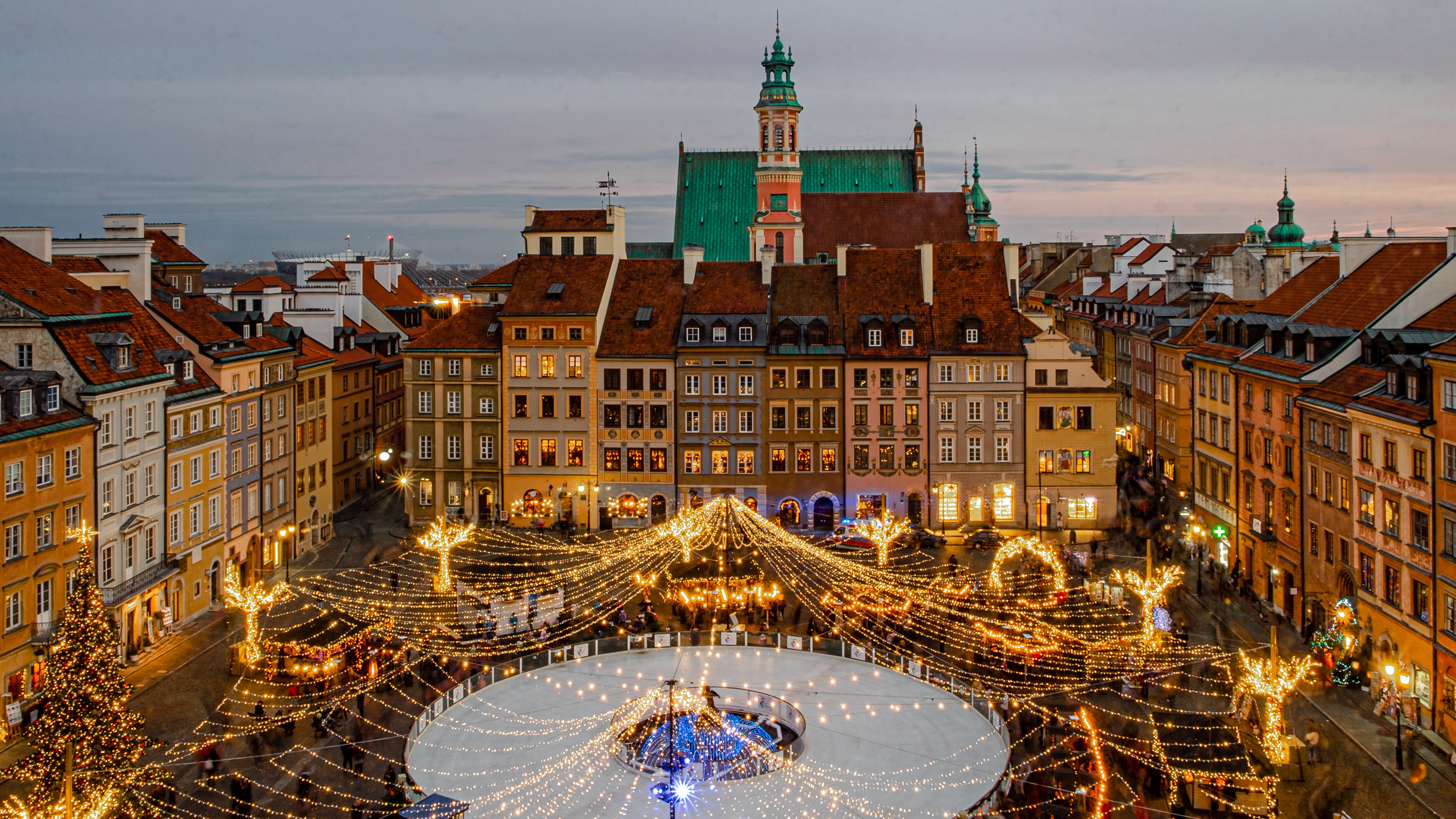
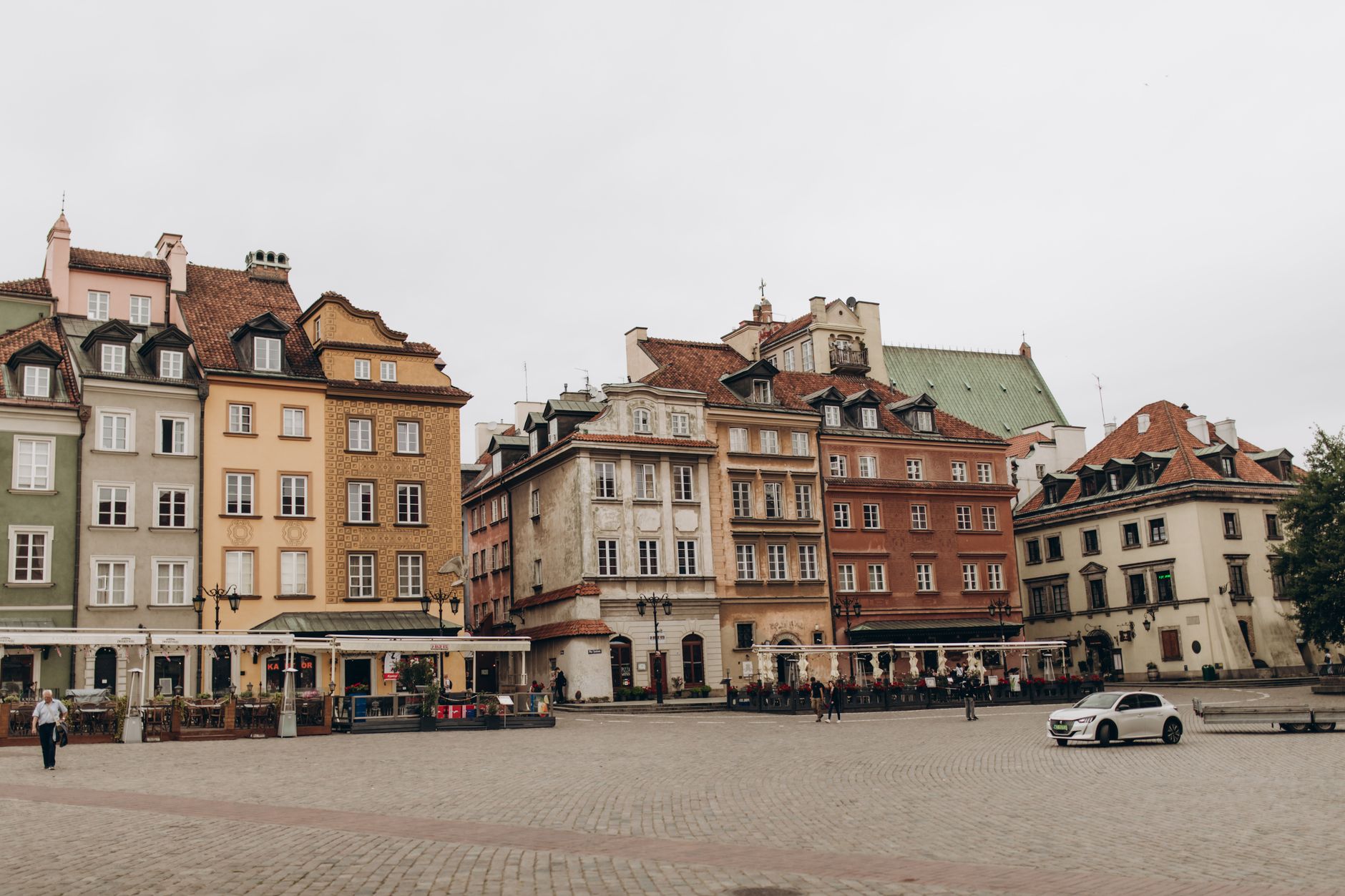
You stand in front of the Palace of Culture and Science, that monumental concrete colossus from the Stalin era, and you understand at once: this city does nothing by halves. The Polish capital is a laboratory of the modern, where socialist concrete architecture, neoclassical splendour and avant-garde new builds meet without apologising for one another. Walking through the rebuilt Old Town means experiencing history up close – not restored for tourists, but deliberately kept alive. The Baroque facades in the evening light tell of the reconstruction after the city’s almost total destruction in the Second World War, and that will to reinvent itself is still palpable in every district.
Sit down in a cafe in Muranow and watch the mix of locals, expats and Polish returnees. Warsaw does not stage itself as a hidden gem, simply because it is far too self-assured for that. Over the past decades the city has grown into one of the most dynamic urban-development projects in Europe, without betraying its historical identity. In the evening on the broad Aleje Ujazdowskie: cranes and glass facades in the background, the domes of the Old Town in front. That is not a contradiction, it is the essence of this city.
Anyone who really wants to understand Warsaw crosses the Vistula to Praga. The district on the east bank was largely spared during the war and therefore carries a patina that the rebuilt city centre lacks. Old courtyards, galleries in former factories and bars that only find their rhythm after midnight: Praga shows the Warsaw that was not polished up, but allowed to grow.
Arriving by train: relaxed, direct, affordable.
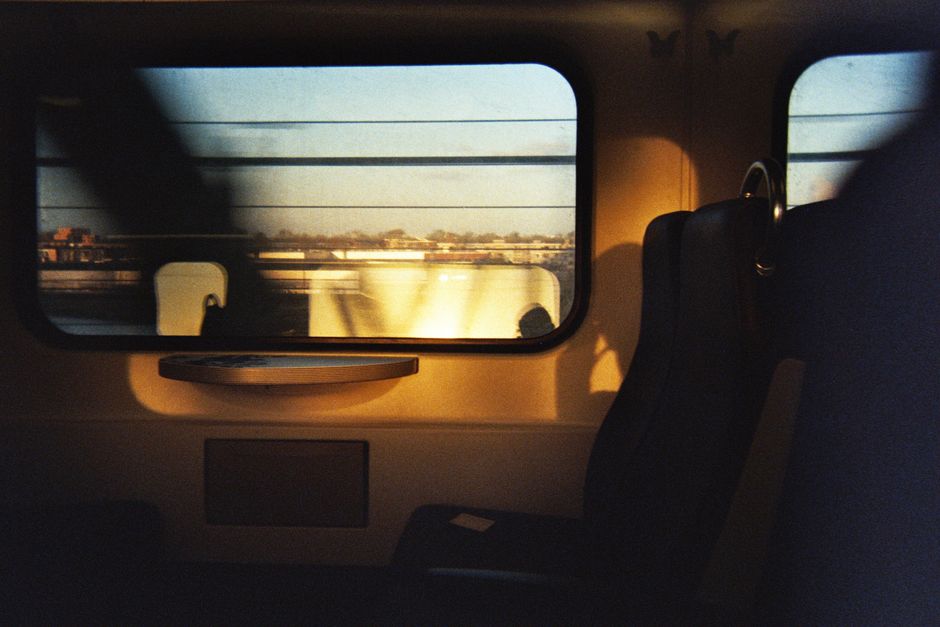
The direct train from Berlin to Warsaw starts at just 29 euros – seat and a small afternoon snack included. You roll straight into the main station, with no security theatre, no luggage chaos, no transfer from a terminal. The ticket is not a compromise but a clear decision in favour of comfort. And for those arriving by plane: an express train from Terminal A brings you into the centre in around 30 minutes.
Warsaw had the courage to reinvent itself after total destruction – and it is still doing exactly that. Anyone who experiences it understands Europe a little better.
From Warszawa Centralna you reach the Old Town on foot in a few minutes, or take the tram. If you want to be right in the centre, the best areas to stay are Centrum or the Old Town – then everything is within walking distance.
The city has made the leap culinarily, too. Alongside the classic milk bars, where pierogi and borscht are still served entirely without pretension, a young Polish cuisine has established itself that takes regional ingredients seriously. Places around Plac Zbawiciela work with producers from the surrounding region and show that Polish gastronomy has long been thinking beyond tradition. Reservations are worth it, especially at the weekend, when half of Warsaw eats out and the best tables are taken early.
Where to stay: character instead of chain hotel.
The Hotel Indigo Warsaw Nowy Swiat sits right on Nowy Swiat, one of the city’s best-known pedestrian streets. From here you reach the main sights on foot, and the hotel brings enough atmosphere of its own not to be a mere stopover. For those who want to upgrade into history: the Hotel Bristol is a historic house with a long tradition and a presence that makes it a sight in its own right. It is considerably more expensive – but the impression stays with you.
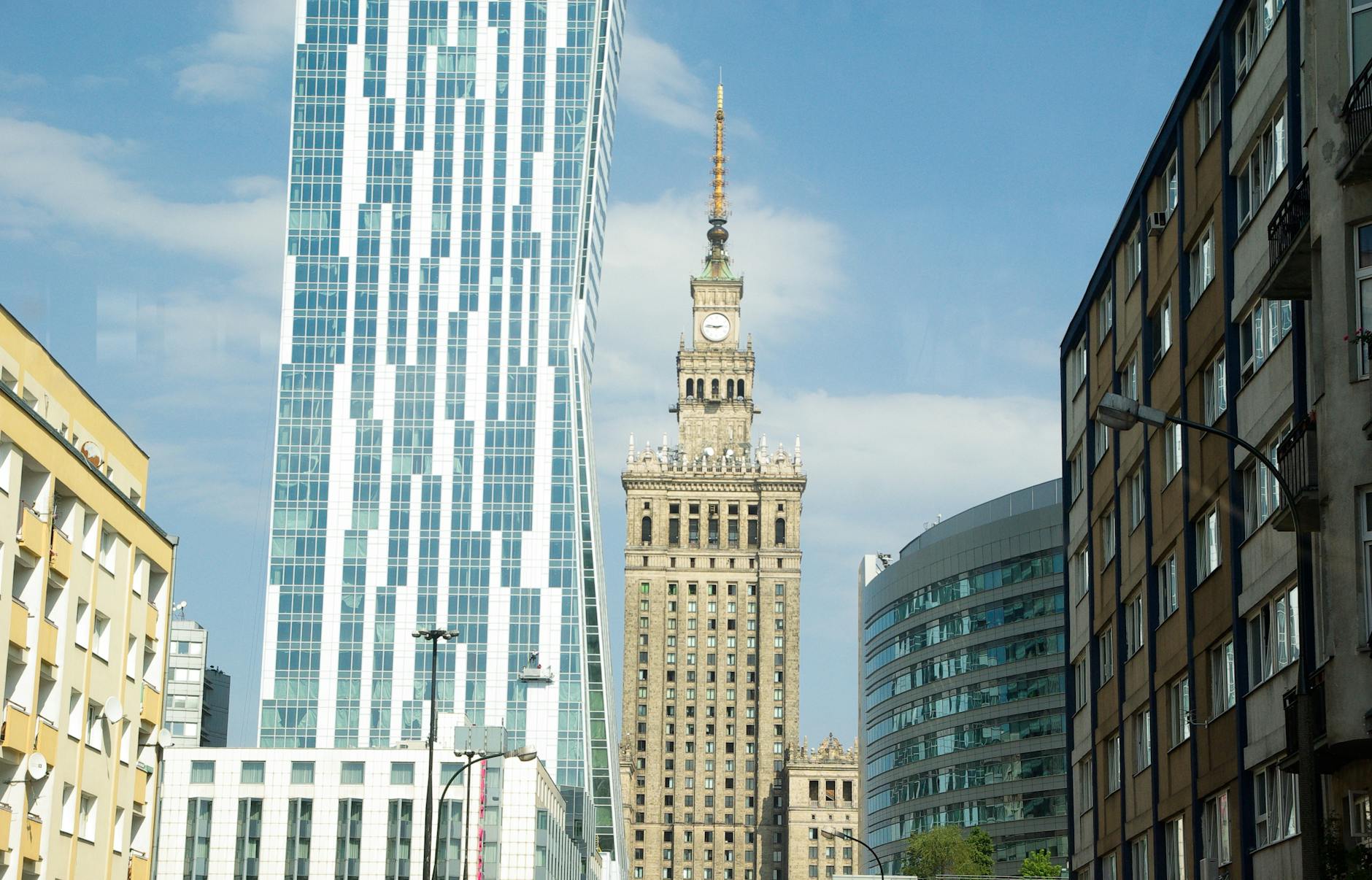
Sights are never far away in Warsaw. The Palace of Culture can be visited in full on a guided tour – the view from the 30th floor is obligatory. The Chopin Museum, in old brick vaults, presents the composer’s life and work interactively across several floors. And the Warsaw Old Town, together with the Jewish cemetery that dates back to the 19th century, gives the city a historical depth that surprises many.
In summer, life shifts to the Vistula. While the western bank is lined with boulevards and cafes, the eastern side stays wild, almost a city beach in the middle of the capital. In the evening, students, families and newcomers sit side by side in the sand, and for a moment Warsaw feels less like a metropolis on the rise than a city that has arrived.
Good to Know
▸What is the fastest way from the airport into the city centre?
The fastest option is the express train directly from Terminal A – around 30 minutes, running regularly and cheaper than a taxi. If you want flexibility, take the tram – it takes a little longer, but you already see the city as you arrive.
▸Which sights are a must in Warsaw?
The Palace of Culture with its viewing platform on the 30th floor, the Chopin Museum in the historic vaults, a walk through the rebuilt Old Town and a detour to the Jewish cemetery. If you have time to spare: the Centre for Contemporary Art in Ujazdowski Castle shows how alive the Polish art scene is.
▸When is the best time to visit Warsaw?
September and October are ideal: the Old Town is still lively, the weather pleasant, the tourist crowds manageable. Summer can get busy; in winter the mood in the cafes and cultural venues easily makes up for the grey weather.