Today here, tomorrow there – Munich’s most beautiful walking routes
Do you prefer strolling through a beautiful botanical garden or along the water? We show you the most beautiful routes in Munich.
In 2021 we reported on Munich on foot: Four routes with character – what became of them? The short answer: The old core remains readable when you sort it more quietly and precisely. This reformat keeps the existing facts, removes pace from the alt text and takes you directly to what still holds true today.
- Thanks to Corona, one or another person has learned to appreciate life’s little things again.
- 1.
- The classic in Munich is probably the English Garden.
- View this post on Instagram
- A post shared by Geheimtipp München (@geheimtippmuenchen)
The Heart of the Archive Piece
Corona has taught many people to appreciate the small things in life again. Walks are no exception. Fresh air, beautiful surroundings, and a change from sitting around all day are certainly welcome. If you live in Munich, we’ll show you today that you don’t even need to travel far for this. Do you prefer strolling through a lovely botanical garden or along the water? Both are easily possible in Munich. The city is more diverse than you might think.
1. Munich’s Central Park
The interesting thing about an archive isn’t the date. It’s the moment when a detail becomes readable again.
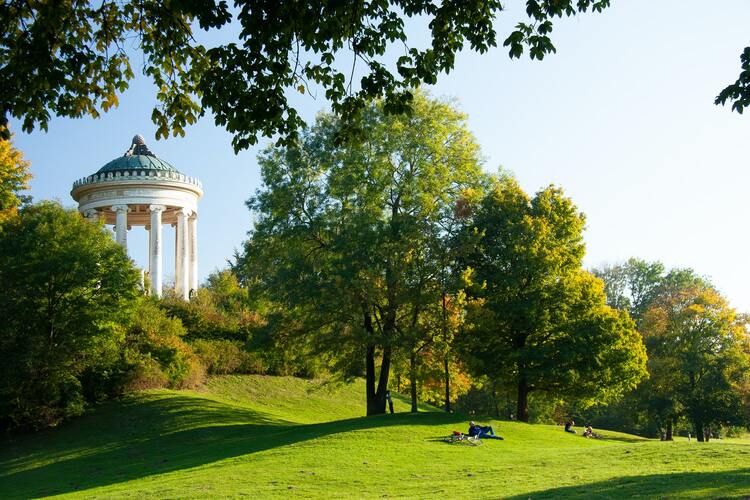
The classic spot in Munich is undoubtedly the English Garden. So why not start at Odeonsplatz, head toward the Hofgarten, and then dive into the English Garden? Depending on your fitness level, you can walk as far as the Seehaus or even all the way to the Aumeister. After all, everyone needs goals in life.
View this post on Instagram
What Matters Today
A post shared by Geheimtipp München (@geheimtippmuenchen)
2. From Architectural Splendor to Botanical Wow
If you’re fascinated by grand buildings and the power of nature, you should explore this route. Start at Nymphenburg Palace. The stunning palace gardens alone are a feast for the eyes. If that’s not enough for you, simply turn right into the Botanical Garden. You’ll have to pay an entrance fee here, but the grounds are worth every cent.
A post shared by Schloss Nymphenburg (@schlossnymphenburg)
From north to south. In Untergiesing stands the Templar Monastery, whose architecture resembles a small Disney castle. A suitable route could look like this: Start at the little houses on Sommerstraße, continue to the Auer Mühlbach past the Isar meadows, and enter the Rose Garden. At your final stop, the small monastery awaits you. By the way, nuns and monks live here and distribute free food to those in need.
A post shared by @muenchen_moments
A Calmer Perspective
This new look at the archive doesn’t change the facts, but it shifts the weighting. What was once rushed through now gets more breathing room: first the answer, then the details, followed by a calm view of the decision behind it.
For you as the reader, that is precisely the benefit. You don’t have to wade through old web remnants, social embed traces, or jarring transitions. The content remains the same material, but the structure guides you more clearly through the topic.
In an archival piece, it doesn’t matter if every phrasing sounds contemporary. What matters is that the date, context, and core message stand together cleanly. This keeps visible what was reported back then and why it still has a place in the new IBL format.
The standard is simple: no artificial updates, no invented additional facts, no loud trendiness. Just the existing material, better cut. That’s exactly how an old post becomes a readable magazine article.
If you take only one thing away, let it be this: Good topics don’t necessarily require new claims. Sometimes it’s enough to organize existing observations and bring the strongest details to the forefront.
The new structure follows the IBL principle: less scattering, more stance. The old content doesn’t need to shine like a breaking news item. It should be understood without you having to fight through side tracks.
This way, the text remains honest to its origin. It shows when it was created, preserves existing names, places, products, and tips, and only introduces new elements where readability and tone are improved.
This new look at the archive doesn’t change the facts, but it shifts the weighting. What was once rushed through now gets more breathing room: first the answer, then the details, followed by a calm view of the decision behind it.
For you as the reader, that is precisely the benefit. You don’t have to wade through old web remnants, social embed traces, or jarring transitions. The content remains the same material, but the structure guides you more clearly through the topic.
In an archival piece, it doesn’t matter if every phrasing sounds contemporary. What matters is that the date, context, and core message stand together cleanly. This keeps visible what was reported back then and why it still has a place in the new IBL format.
The standard is simple: no artificial updates, no invented additional facts, no loud trendiness. Just the existing material, better cut. That’s exactly how an old post becomes a readable magazine article.
If you take only one thing away, let it be this: Good topics don’t necessarily require new claims. Sometimes it’s enough to organize existing observations and bring the strongest details to the forefront.
The new structure follows the IBL principle: less scattering, more stance. The old content doesn’t need to shine like a breaking news item. It should be understood without you having to fight through side tracks.
This way, the text remains honest to its origin. It shows when it was created, preserves existing names, places, products, and tips, and only introduces new elements where readability and tone are improved.
This new look at the archive doesn’t change the facts, but it shifts the weighting. What was once rushed through now gets more breathing room: first the answer, then the details, followed by a calm view of the decision behind it.
For you as the reader, that is precisely the benefit. You don’t have to wade through old web remnants, social embed traces, or jarring transitions. The content remains the same material, but the structure guides you more clearly through the topic.
Good to Know
▸What is Munich on Foot: Four Routes with Character about?
Through Corona, some people are learning to appreciate the small things in life again.
▸Why is the article marked as an archival piece?
Because the post comes from the archive and has been restructured without adding new facts.
▸What is the key takeaway?
1.