
This Year It’s Going Green under the Christmas Tree
In 2019 we recommended three sustainable gift ideas. Six years later, those same ideas have gone from niche to mainstream. We’re taking stock and showing you how to give well today.
Want to give something this year that won’t gather dust in a closet after two weeks? Focus on three things that have stood the test of time: a shared experience, a beautiful everyday object, and a donation in the recipient’s name. In 2019 that was still a secret tip. Today it’s simply the smarter way to give.
- Experiences over things: mountain hut hikes, cooking classes, or wellness weekends. The memory lasts longer than any wrapped package.
- Everyday elegance: a ceramic bread crock keeps bread fresh without plastic and looks good on the kitchen counter every day.
- Meaningful donations: for people who already have everything. A sponsorship or tree-planting gift in the recipient’s name.
- Even the tree can be greener: potted Christmas trees can be rented, then collected or planted after the holidays.
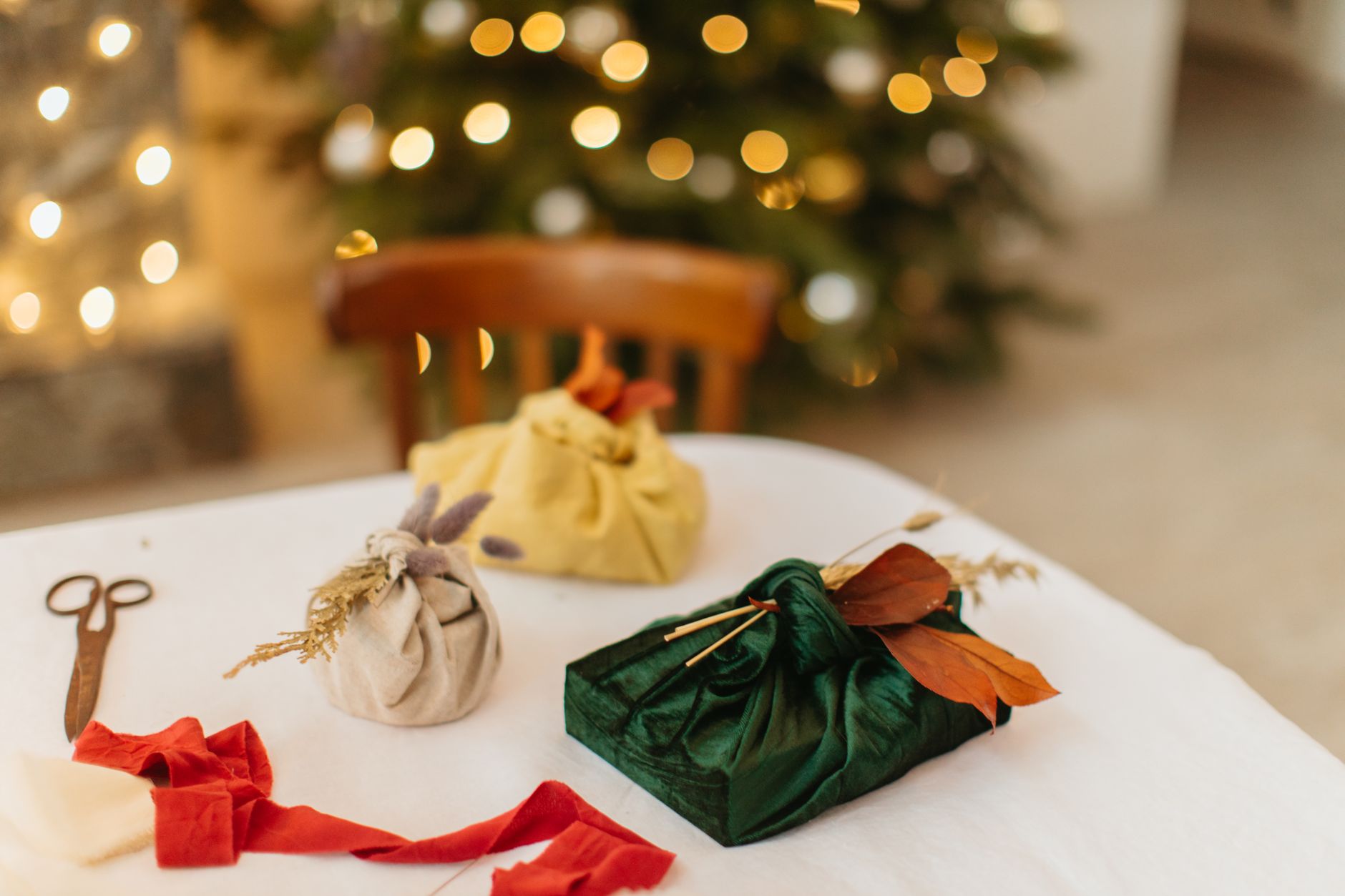
- Presentation counts: furoshiki fabric wraps or kraft paper with twine instead of foil and glitter ribbon.
Giving brings joy. But let’s be honest: many gifts aren’t sustainable at all. Instead of clothes nobody needs or short-lived electronics, this year make it something that lasts. The trend backs us up. What sounded like deprivation in 2019 is now mainstream: experiences, donations, and durable goods top wish lists. We’ve revisited our three ideas from back then and give you the current take.
Shared Adventures: Why Experiences Make the Best Gifts
We often think of gifts as tangible items. But it doesn’t have to be that way. Experiences create memories that last longer than the moment under the tree-and they don’t produce any packaging waste. Whether a voucher for a shared mountain hut hike, a blacksmithing course, or a wellness weekend is the right fit depends on the recipient. The best part? You create the memory together.
This is where the biggest shift has happened since 2019. Where once you’d find a stack of vouchers, today you can book concerts, cooking classes, or a day at the spa in just a few minutes online. The key is one thing: no voucher left to expire in a drawer. A concrete date-ideally booked for two-turns good intentions into a real gift. A shared day in the mountains does more than just lift the spirit. Hiking demonstrably benefits heart, circulation, and psyche, as our sister magazine InspiredBySports reports.
The best sustainable gift is often not an object at all, but a shared day you’ll still remember in ten years.
Everyday Gifts: Beautiful and Durable, Not Quickly Forgotten
Gifts that are used every day come with a nice side effect: they remind the recipient daily of the person who gave them. But what does such a gift look like? Practical-and often a lovely kitchen object-is a bread crock. Made of ceramic or stoneware, it keeps bread fresh for days without paper or plastic. The unglazed interior regulates moisture, so the bread doesn’t dry out and resists mold longer. One purchase, decades of use.
This principle extends further: a sturdy stainless-steel water bottle, a safety razor instead of disposable blades, a beeswax wrap set for packed lunches. Focus on material and craftsmanship over brand and price. An item that lasts ten years is ultimately cheaper and more beautiful than three that end up in the residual waste. Need more ideas? Specialized providers offer a wide selection-we’ve put together the best platforms for sustainable gifts.
Give a Donation: For Those Who Already Have Everything
The recipient says they already have everything? Take them at their word and gift a donation partnership. The money goes to an organization of your choice-ideally one whose cause they care about. Animal welfare, reforestation, education: many groups now offer attractive donation certificates you can present. So something still ends up under the tree on Christmas Eve, and its real value extends far beyond. If you prefer something more personal: fair-trade jewelry combines a lasting gift with an honest supply chain.
Even the Christmas Tree Can Be More Sustainable
By the way: the Christmas tree that’s discarded after the holidays has a greener alternative. You can now buy or rent potted trees. Providers deliver the tree before the holiday and collect it afterward to replant. In some cities, there are fixed pickup dates; elsewhere you arrange the return yourself or keep the tree and plant it in the garden. A pro tip: make sure the tree has been grown in its pot from the start and wasn’t dug up just before sale. Otherwise, the root system rarely survives the move to the living room. Certifications like FSC or EU Organic provide guidance.
And the final touch makes all the difference: don’t wrap your gift in foil and glitter ribbon. Instead, use a furoshiki cloth or kraft paper tied with a cord and a sprig of pine. The cloth becomes part of the gift and can be reused again and again. It also looks far nicer.
Quick Answers
▸What’s the most sustainable Christmas gift?
A shared experience. It creates no packaging waste, leaves nothing to dispose of, and the memory lasts longer than any object. If you’d rather give something tangible, opt for a durable everyday item or a donation made in the recipient’s name.
▸How can I give a donation without it feeling impersonal?
Choose an organization whose cause the person truly cares about, and present a donation certificate or sponsorship. Many charities offer beautifully designed certificates with names. That way, something personal sits under the tree, and the money goes where it’s needed most.
▸Is a potted Christmas tree really worth it?
Yes-if the tree has been grown in its pot from the start. You can keep it for several years or plant it in the garden. Rental trees are collected after the holidays and replanted. Choose regional providers and organic certifications to ensure a clean CO₂ balance.
▸Why is a bread crock a good sustainable gift?
It keeps bread fresh for days without paper or plastic, thanks to unglazed ceramic that regulates moisture. You buy it once and use it for decades. An item that looks good and gets daily use is the opposite of disposable.


