
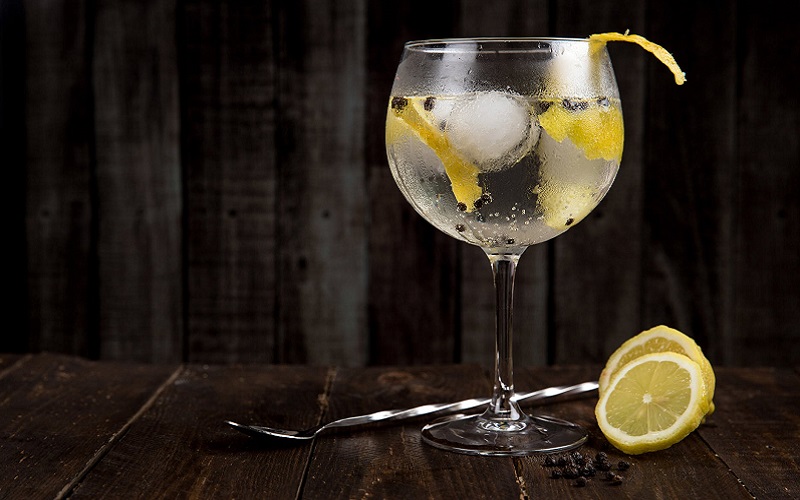
The Ultimate Gin Guide!
In 2020 we wrote your ultimate gin guide. Six years later, gin is no longer just a hype-it’s a staple in every well-stocked home bar. Here’s the update: what matters for the perfect gin and tonic, how to mix botanically, and which myths belong in your glass-and which don’t.
In 2020, gin was the darling of the home bar. Six years on, the hype has faded-and that’s the good news. What remains is a spirit with a clear profile, a vast selection of botanicals, and a tonic range that makes mixing truly exciting. This updated guide takes you from a solid gin and tonic to a thoughtfully crafted cocktail menu.
- By EU law, gin must contain at least 37.5 percent alcohol; London Dry Gin typically sits at 40 percent or more.
- The dominant flavour must always be juniper-anything else isn’t gin.
- The gin-to-tonic ratio ranges from 1:1 to 1:4, depending on the gin’s character and the tonic’s sweetness.
- Everything cold: pre-chilled glass, pre-chilled tonic, large ice cubes to minimise dilution.
- The famous fun fact that gin drinkers are smarter isn’t true-the study behind it says something quite different.
The earliest records from the mid-17th century describe a juniper spirit called Genever. That’s the origin of the gin we know today. The name derives from the French “genièvre,” simply meaning juniper. By the way, gin wasn’t invented in England-it was the Dutch who created it, though the British turned it into a cultural staple.
It’s Gin o’clock: How to Mix the Perfect Gin and Tonic
The Gin and Tonic may look simple, but it’s a science in miniature. The basics are easy to grasp:
- 4 cl Gin
- Tonic water to taste (ratio 1:1 to 1:4)
- Lemon, lime, or complementary herbs and spices
- Large, clear ice cubes
Temperature is everything. The colder you work, the less dilution you get from melting ice. Chill the glass in the freezer first or pack it full of ice before pouring. Tonic water should be cold straight from the fridge, never lukewarm from the cupboard. Big ice cubes melt slower than the standard small ones, keeping the flavour locked in for longer.
A great Gin and Tonic lives or dies by the temperature. Pour warm and you might as well be handing out the world’s most expensive gin for free.
Which Tonic Pairs Best with Which Gin
Not all tonics are created equal-and that’s where the magic happens or falls flat. Four broad families help point you in the right direction:
- Dry, light tonics offer a delicate bitterness and rely on their fizz. They let aromatic, complex gins shine without smothering them.
- Spicy tonics taste moderately bitter with little citrus. They carry herbal or spicy gins-think rosemary, pepper, or coriander.
- Floral, fruity tonics with low bitterness suit floral gins featuring lavender, rose, or elderflower.
- Classic and intensely fruity tonics are often very sweet and dominate the palate. They need a bold, spicy gin that can hold its own.
Quick rule of thumb: the bolder your gin, the more neutral your tonic can be. The more delicate your gin, the more character your tonic can bring to the party.
What Gin Actually Is-Legally Speaking
It’s worth checking the fine print, because the shelves are full of lookalikes. EU spirits law says gin must be at least 37.5 % ABV and taste unmistakably of juniper. “Distilled Gin” means the botanicals were distilled. “London Dry Gin” is the strictest category: all flavours come from a single distillation run; afterwards only water may be added-no sugar, no colour, no added flavourings. In practice, London Dry usually clocks in at 40 % or higher.
Heads-up for anyone eyeing the alcohol-free aisle: in the EU, only products hitting the minimum alcohol level can legally be called “gin.” The popular zero-proof spirits are technically juniper-flavoured alternatives-often delicious, but not gin.
Beyond Tonic: Gin Cocktails
Gin is far more versatile than the classic highball. A Gin Sour Red gets a float of red wine for depth and colour. In a White Negroni, Lillet Blanc and a gentian liqueur replace Campari and red vermouth-bitter, elegant, and perfect for summer. For something fresh, muddle gin with basil, lemon juice, and a touch of sugar for an effortless warm-weather sipper. And the Martini remains the ultimate test: here, there’s nowhere for a mediocre gin to hide.
If you’re ready to dive deeper, our unusual summer-cocktail recipes offer plenty of inspiration that steps outside the usual. And on scorching days or when someone’s skipping the booze, it’s worth scanning our mocktail guide-alcohol-free drinks have long since moved from stopgap to bar staple.
Fun Fact Check: What’s Actually True
There are a few claims about gin that keep popping up at every party. Time to set the record straight.
Gin is a Dutch invention. True. Its precursor, genever, originated in the Netherlands; England made gin popular in the 18th century.
Gin must contain at least 37.5 percent alcohol. True. EU law mandates this minimum.
Gin drinkers get bitten by mosquitoes less often. That belongs in the realm of household myths. There’s no solid evidence that juniper oils or the quinine in tonic water repel mosquitoes. The quinine levels in store-bought tonic are far too low to act as a repellent.
Gin drinkers are smarter. That’s simply false and stems from a misunderstood study. A 2015 University of Innsbruck study with around 1,000 participants found no link to intelligence-rather, to something far less flattering: people who generally prefer bitter foods statistically tend to exhibit antisocial traits like psychopathy or sadism. The internet turned this finding into a supposed compliment about intelligence-something the researchers never claimed. So: enjoy your gin and tonic, but don’t market it as an IQ test.
Good to Know
▸What’s the right gin-to-tonic ratio?
Between 1:1 and 1:4, depending on the gin and tonic. A bold, spicy gin can handle more tonic, while a delicate, floral gin shouldn’t be overpowered. Start with 1:2 and adjust to taste.
▸How does London Dry Gin differ from regular gin?
London Dry Gin requires all aromas to come from the joint distillation; only water may be added afterward-no sugar, no dye. It’s the strictest category and usually clocks in at 40 percent alcohol or higher.
▸Is alcohol-free gin real gin?
Legally, no. In the EU, “gin” must meet the 37.5 percent minimum. Alcohol-free versions are juniper-forward alternatives that often make a fine aperitif, flavor-wise.
▸Does gin make you smarter or ward off mosquitoes?
Both are myths. There’s no reliable proof it repels mosquitoes, and the intelligence claim is based on a misunderstood study about bitter tastes. Enjoy it-just don’t believe the hype.
The most important takeaway after years of gin boom: the best drink isn’t made with the priciest gin, but with a chilled glass, the right tonic, and a dash of curiosity when mixing. Cheers.


