
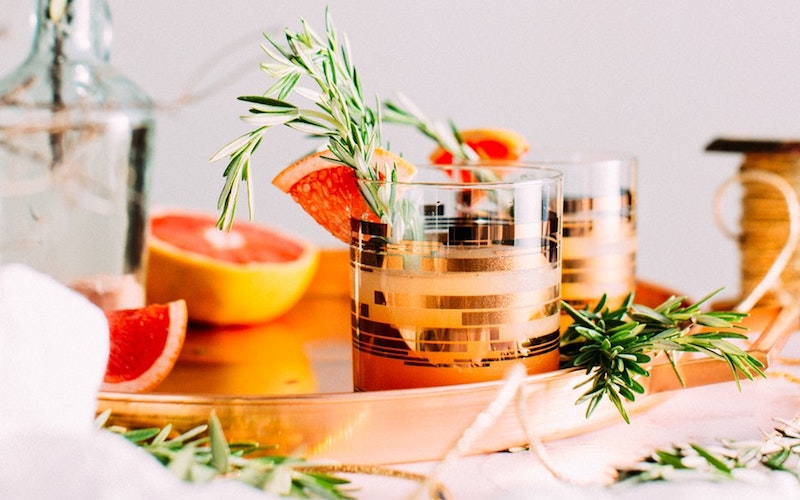
Mocktails: From the 2018 food trend to a staple at the bar
In 2018 we predicted mocktails would be the next big food trend. Eight years later, you order them as a matter of course-and four of the recipes from back then still work perfectly.
In 2018, our trend list made one promise: the alcohol-free cocktail would leave its niche behind and become a permanent fixture on every good bar menu. Eight years later, that’s no longer a forecast-it’s everyday reality. Walk into a bar in Munich, Berlin or Hamburg today and you’ll be handed a dedicated mocktail page, sometimes longer than the one with the ABV. What once sounded like a bold gamble has become standard, and that’s exactly why it’s worth looking back.
- Mocktails are mainstream in 2025/26: studies show around 55 percent of people worldwide want to reduce their alcohol consumption, and in Germany 24 percent say they drank less last year.
- The global mocktail market is worth about €7.8 billion in 2025 and is expected to nearly double by 2035.
- Three of our 2018 recipes still work today: Rosemary-Blueberry Smash, Virgin Cucumber Gimlet and Spiced Tonic.
- New since then: functional mocktails with adaptogens, ginger or turmeric and a growing range of ready-made alcohol-free spirits.
- Seedlip, launched in 2015 by Ben Branson, made the alcohol-free aperitif socially acceptable and has been part of the Diageo group since 2019.
Back then we wrote that the list of non-alcoholic drinks in bars would only get longer. Today it’s often part of the concept at many venues. The shift has a name: Sober Curious. It doesn’t mean giving up under duress, but rather enjoying consciously without sacrificing the next day. It’s younger guests who are driving the trend. According to the Shell Youth Study, more than 80 percent of young people pay close attention to their health-and that’s reflected in their bar orders.
Why the 2018 Trend Grew into a Movement
Numbers help put the pace into perspective. In January 2024, sales of alcoholic beverages in Germany were about a quarter lower than the same month the previous year, according to the Federal Statistical Office-driven by Dry January. What’s more telling is what happened next: a majority of respondents now want to order alcohol-free alternatives in bars and restaurants even outside the January campaign. Abstinence isn’t confined to a single action month anymore; it’s becoming a habit.
Economically, this has spawned its own market. Estimates from various market researchers project the global volume for mocktails at around €7.8 billion by 2025, with annual growth of roughly 5 to 6 percent. By 2035, the market could nearly double. Behind these figures lies a premium effect: alcohol-free is no longer a fallback option but a distinct indulgence segment with its own price tag. Bars are investing in alcohol-free menus because the margins work and demand is there.
In 2018, the mocktail was a bold bet. By 2026, the question will be: why does a good bar have no decent alcohol-free selection?
Recipes That Still Work Today
The beauty of a great mocktail? It doesn’t go stale. These three classics from our 2018 list still come together today using ingredients you’ll find in any well-stocked supermarket.
Rosemary-Blueberry Smash
You’ll need a handful of blueberries, a sprig of rosemary, fresh lemon juice, sparkling water, and a touch of honey. Lightly muddle the blueberries and rosemary with the honey at the bottom of the glass, then add the lemon juice and water. Serve over ice. The rosemary lends an herbal-bitter note that elevates the drink beyond simple soda.
Virgin Cucumber Gimlet
Thinly sliced cucumber rounds, club soda, lime juice, and a dash of syrup. Mix everything, serve over ice with a lime wheel. The cucumber makes all the difference: crisp, clean, and perfect for warm evenings on the balcony.
Spiced Tonic
This drink starts with the alcohol-free spirit Seedlip, topped with tonic water and garnished with lemon or cucumber. It’s the most honest alternative to gin and tonic because the bitterness of the tonic gives the drink depth that straight juice can never achieve.
What’s New Since 2018
Two developments have reshaped the mocktail world since our first article. First, functional drinks: mocktails spiked with adaptogens, ginger, turmeric, or probiotics promise wellness benefits alongside flavor. Whether every claim holds up scientifically is debatable, but the taste often does-and the ginger kick is real. If you want the effect without bar hassle, try our Ginger-Orange Shots for a quick home version.
Second, ready-to-drink alcohol-free spirits. Seedlip led the charge. Founder Ben Branson stumbled upon The Art of Distillation by 17th-century Englishman John French, which described non-alcoholic distillates, and launched his brand in 2015. Diageo came on board in 2019, signaling how seriously the industry now takes the category. Today Seedlip sits alongside dozens of brands on shelves, from aperitif alternatives to alcohol-free vermouth.
Want to take the no-alcohol concept further? Our classic summer cocktail recipes with unconventional twists can almost all be rebuilt without spirits-and often taste even smoother without the booze. And if you’re thinking about abstinence from an athletic angle, alcohol is primarily a recovery killer: our sister magazine InspiredBySports explains in its Nutrition Guide for Athletes why recovery without alcohol delivers measurable gains.
Is the Effort Worth It at Home?
Short answer: yes, if you’re serious. A good mocktail lives or dies on acidity, bitterness, and an aromatic component; otherwise it’s just lemonade. Fresh citrus or lime juice instead of concentrate, quality tonic, and a sprig of herbs turn a bland glass into a drink you’ll actually want to hold. Don’t forget the ice-it doesn’t just dilute; it chills and rounds the flavors. The rest is your playground.
Good to Know
▸What’s the difference between a mocktail and lemonade?
A mocktail is designed as an alcohol-free version of a cocktail, using acidity, bitterness, herbs or spices to mimic the complexity of a classic drink. Lemonade is usually just sweet. The Spiced Tonic with Seedlip, for example, tastes far more bitter and sophisticated than any fizzy pop.
▸Is the mocktail just a fleeting trend?
No. What looked like a trend in 2018 is now a permanent fixture of bar culture by 2025/26. Market researchers put the global volume at roughly €7.8 billion with steady growth, and in Germany a majority of guests now want alcohol-free options even outside Dry January.
▸Which alcohol-free spirit makes a good starting point?
Seedlip is the classic and pairs beautifully with tonic. Today there are countless alternatives, from alcohol-free gin and aperitif-style options to vermouth substitutes. For starters, one bottle and a good tonic are enough-the rest comes with experimentation.
▸Are mocktails actually healthier?
Without alcohol you obviously skip the empty calories from spirits and the hangover, that’s clear. Functional mocktails also tout ingredients like ginger or adaptogens. Watch the sugar, though: a sweet syrup-based mocktail can easily match a cocktail calorie-for-calorie. Fresh ingredients and minimal sweetness are the better route.


