The SSC Tuatara Showed How Fragile Records Can Be
An incredible performance was achieved by the SSC Tuatara after a second attempt with driver Larry Caplin. The previous record holder was beaten by just under 8 km/h
In 2021 we reported on the SSC Tuatara and its record run. Looking back now shows: the SSC Tuatara chased the title of fastest production car in 2021 and landed at 455.3 km/h average after two attempts.
- Jerod Shelby announced in 2011 he intended to challenge the then Bugatti Veyron Super Sport record.
- A first run with Oliver Webb reported an average of 508.73 km/h, but was contested due to measurement doubts.
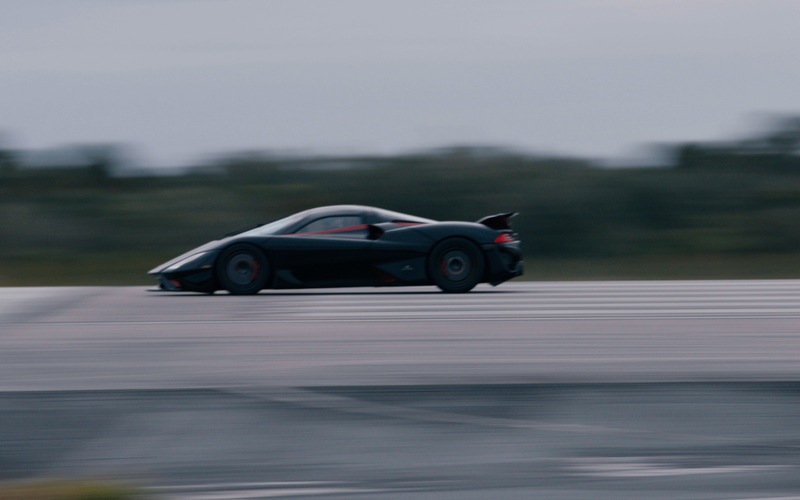
- During the second attempt on January 17, 2021, Larry Caplin drove 460.4 and 450.1 km/h at the Kennedy Space Center.
- The confirmed average was thus 455.3 km/h, just above the Koenigsegg Agera RS.
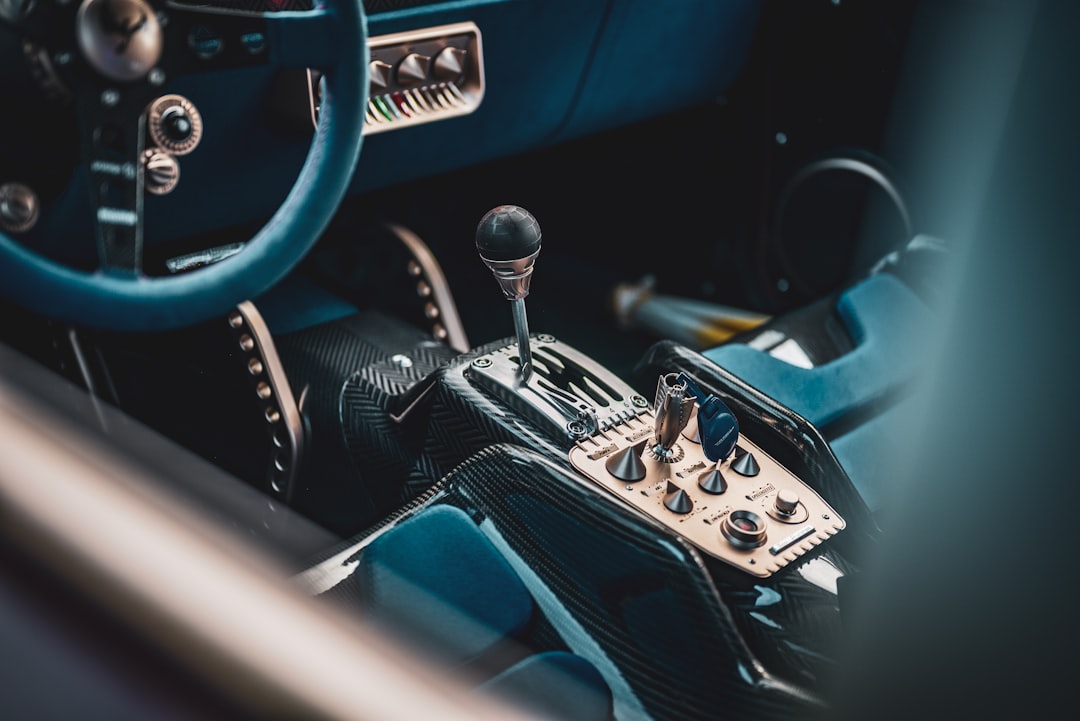
- CARBON, weighing 1,247 kg, a seven-speed transmission, and aerodynamic details made the Tuatara an extreme case.
Record began with a promise
The old article now feels like an archive with useful core. It was about SSC Tuatara and the record, but actually it was about a decision that becomes visible in daily life. The reason for this reflection is not every statement from then must remain as it was. Jerod Shelby announced in 2011 that the record of the Bugatti Veyron Super Sport would be broken; 440 km/h was set as the target.
After almost ten years, the Tuatara was revealed.
Interesting is what follows. The article was closer to the trend tone, today it can be read more calmly. The facts remain, the attitude becomes more precise: you don’t need to make everything bigger just because a topic gains attention.
At over 400 km/h, luxury suddenly becomes a dream. Every gram, every edge, and every measurement must agree.
Why the second attempt was more important
Oliver Webb drove at 484.53 and 532.93 km/h, on average 508.73 km/h in the first start. This record was doubted due to an error in the measuring device.
On January 17, 2021, SSC started a second attempt with Larry Caplin at the Kennedy Space Center in Florida.
Caplin reached 460.4 and 450.1 km/h, resulting in an average of 455.3 km/h.
The Tuatara weighs 1,247 kg, almost entirely made of carbon, uses a gear system with shift speeds under 100 milliseconds, winglets, and large air intakes.
These details are not just background. They explain why the original text is still functional. If you take them away, only mood remains. With them, the article returns to a clear line.
This line makes the difference between old blogton and IBL. We leave the facts alone, cut away the loud packaging, and arrange things neatly so they’re still relevant today.
What Speed at Over 400 km/h Means
The story is stronger when you don’t read it merely as a numbers chase. It shows that a record becomes fragile immediately without precise measurement.
At such speeds, every detail is functional. Weight, carbon fiber, aerodynamics, and shift times are not decoration, but prerequisites.
In retrospect, the second run appears more elegant than the initial claim because it was less dramatic yet more robust.
For //DRIVE, the most appealing aspect remains: Technology is only interesting if it evokes a feeling or cleanly pushes a boundary. Otherwise, it stays just a spec sheet.
A car or technical object doesn’t automatically become better through large numbers. It improves when the figure is verifiable and the material backs up the claim.
This older piece can therefore be read as a story of precision. Not louder, not bigger, but more accurate. That is exactly where the appeal begins.
For //DRIVE, the most appealing aspect remains: Technology is only interesting if it evokes a feeling or cleanly pushes a boundary. Otherwise, it stays just a spec sheet.
A car or technical object doesn’t automatically become better through large numbers. It improves when the figure is verifiable and the material backs up the claim.
This older piece can therefore be read as a story of precision. Not louder, not bigger, but more accurate. That is exactly where the appeal begins.
The allure of such drive topics lies not in the number alone. Speed, weight, and materials only become interesting when they together tell a clear story. A single value gets loud quickly. The clean connection between technology, driver, and control stays in your mind longer.
Restraint is particularly important with records. Big claims require precise measurement; otherwise, they become fragile immediately. A better perspective asks not just how fast something was, but under what conditions that speed was achieved.
You don’t have to love spec sheets to find such technology exciting. It’s enough to see the consistency: less weight, better airflow, faster shifts, more stability. Behind every detail lies the question of whether it truly helps at top speed.
This older piece works best today when read as a story of precision. It’s not the loudest promise that counts, but the reliable run. Exactly this sobriety makes extreme cars more interesting than pure record romance.
This serves as a good test for looking at luxury. An object may be expensive, rare, or striking. What matters remains whether its form fulfills a task. If technology only poses, it becomes tiresome. If it proves something, it stays engaging.
This also applies to The SSC Tuatara showed how thin records get: The old content improves when you don’t read it as a quick slogan, but as a selection. What is concrete remains. What was only loud falls away. Thus, an archive article becomes a text that provides orientation again.
This also applies to The SSC Tuatara showed how thin records get: The old content improves when you don’t read it as a quick slogan, but as a selection. What is concrete remains. What was only loud falls away. Thus, an archive article becomes a text that provides orientation again.
This also applies to The SSC Tuatara showed how thin records get: The old content improves when you don’t read it as a quick slogan, but as a selection. What is concrete remains. What was only loud falls away. Thus, an archive article becomes a text that provides orientation again.
The Details
▸How fast did the SSC Tuatara go on the second attempt?
Larry Caplin reached 460.4 and 450.1 km/h. The average was 455.3 km/h.
▸Why was the first record attempt questioned?
The original run with Oliver Webb was criticized due to an error in the measuring device.
▸Which technology helped the Tuatara achieve speed?
The article mentions carbon construction, 1,247 kg weight, rapid shifts, winglets, and large air intakes.