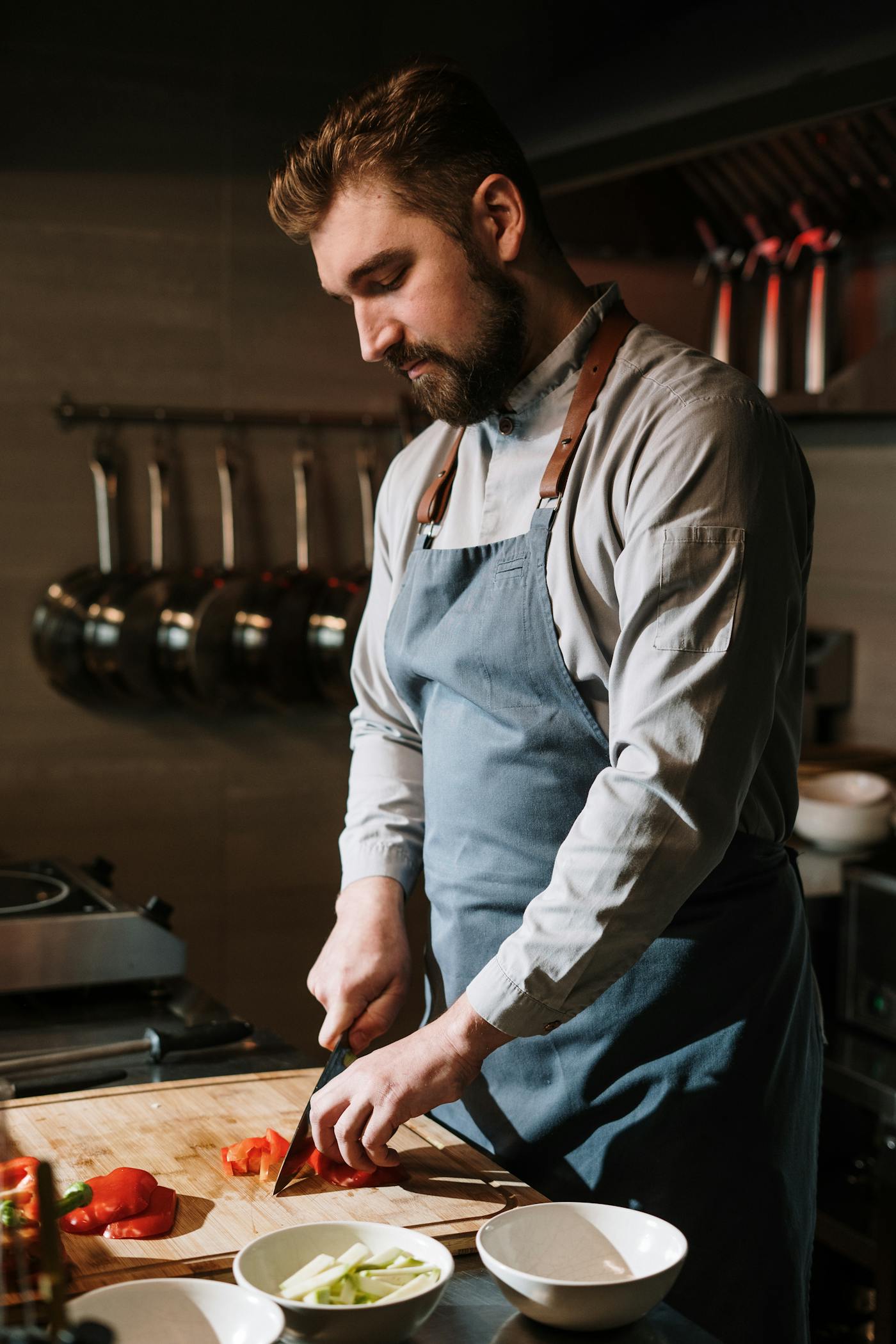
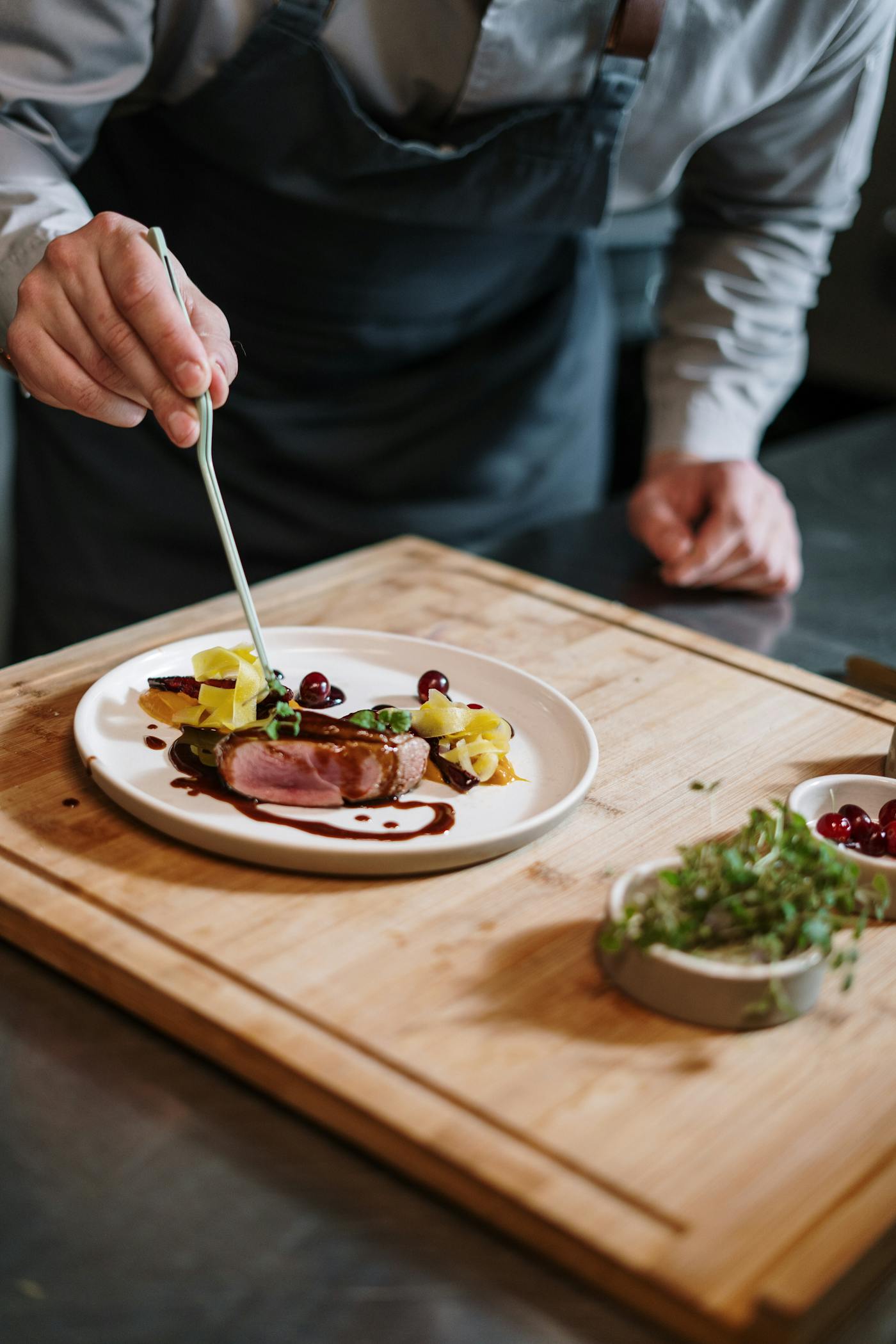
It’s always the same spot. You throw a party, you’ve spent hours styling the living room-fluffing the cushions, filling the carafe, dimming the lights. And then they all end up in the kitchen. Leaning against the counter, glass beside the chopping board, in the one place that technically has no space and yet is where the whole evening unfolds. You can’t stop it, and after the third time you stop trying.
Quick Facts
- The thesis: the heart of the home has shifted from the seating area to the kitchen table. Where food is cooked, life happens; everything else is just scenery.
- The open-plan concept tore down the wall between cooking and living. Today’s kitchen is both stage and backstage at once.
- The island is the unsung star: work surface, bar, meeting point. People prefer to stand there rather than sit on the sofa.
- What remains are the materials that can take a beating: wood, stone, steel. They don’t age to ruin; they age to patina.
It’s no accident and it’s not your guests’ whim. It’s the most honest report card on the architecture we inhabit. The room we call the living room hasn’t been the room where we actually live for a long time. Life has quietly shifted over the years and settled where something smells good.
The classic post-war apartment had a clear hierarchy. Up front, the living room-the “good parlour”-stiff and chilly, meant for show. Out back, the kitchen, narrow and functional, a workshop for the housewife, hidden behind a door so no one had to witness the effort. That order has collapsed. And it collapsed not by chance, but because it told a lie about who we are.
The wall that disappeared
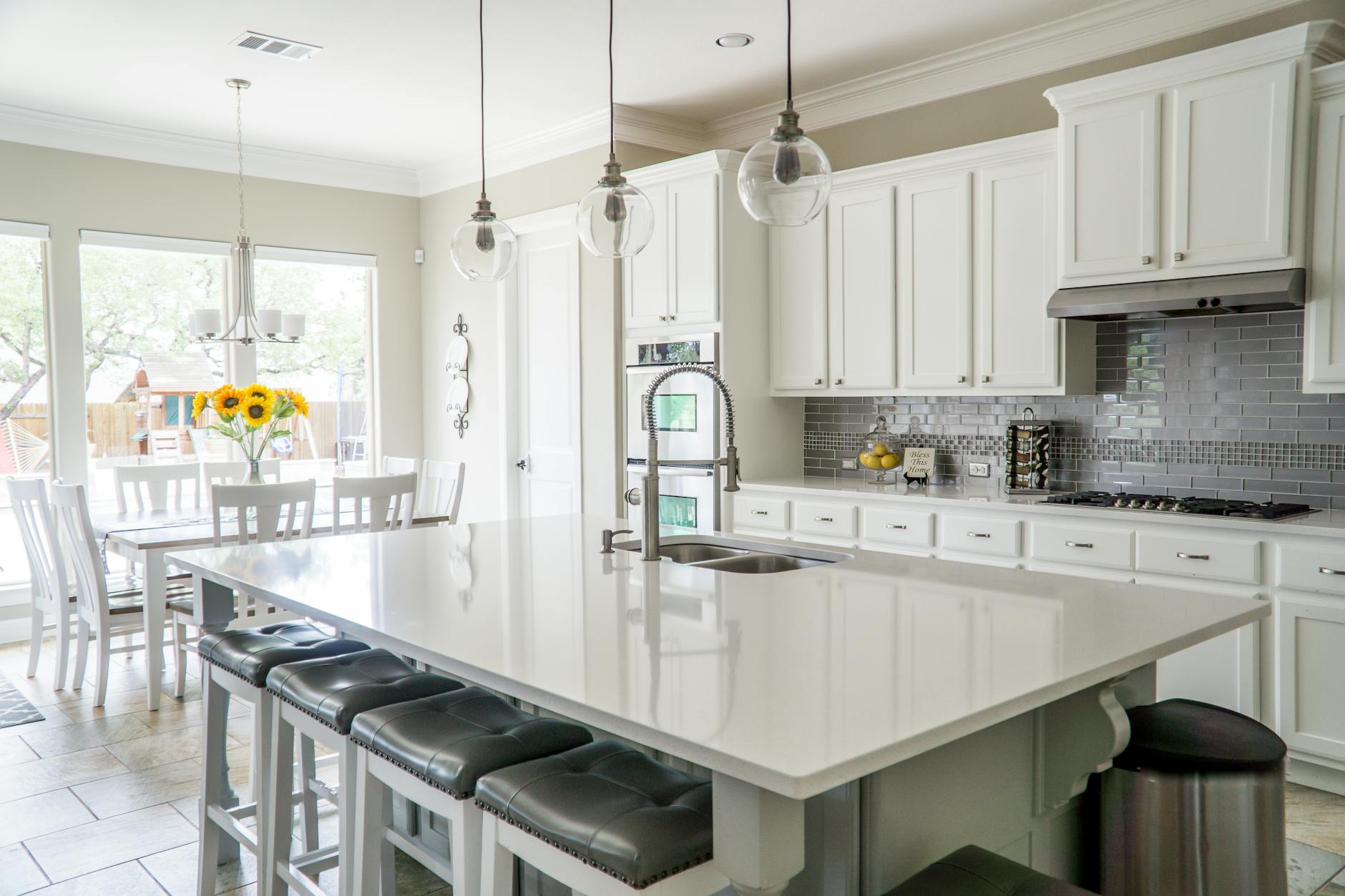
The most visible break is the wall that’s no longer there. The open-living concept, the fluid space that merges cooking, eating and sitting, has conquered the floor plans of new builds and renovated old apartments in the last two decades. When you knock down a wall today, it’s almost always the one between kitchen and living area.
There’s a solid reason beyond fashion. As long as cooking was a solo act behind closed doors, there was nothing to open. The moment cooking became something you do together, watch, participate in, the wall became an obstacle. Whoever stands at the stove no longer wants to turn their back on the evening. The open kitchen is the architectural answer to a social shift, not its cause.
With that vanished the old game of hide-and-seek. An open kitchen can’t hide its state. The dishes, the chopping board, the half-chopped bunch of parsley lie in plain sight – and that’s the point. The kitchen shows that work is happening, that something is under way. That trace of activity is what makes a room feel alive, while the pristine living room with its arranged cushions only reveals one thing: that nobody actually lives there.
The table is the heart of the home
If the open-plan layout is the frame, then the large table is the centrepiece. Not the Sunday-best dining table, set and left empty the rest of the week. Instead, it’s the house’s workbench where everything that makes a family happen unfolds. Vegetables are trimmed here, homework is done here. Bills lie unopened here, the laptop hums at night here, arguments flare and reconciliations happen here.
A table asked to shoulder this load must be big. Better two seats too many than one too few, because those extra two create the elbow room for someone to slide in without feeling cramped. A tight table forces order; a generous one lets life’s clutter coexist without looking like chaos. On a wide expanse, the newspaper, a bowl of fruit and a half-finished glass of wine can coexist without screaming disorder.
And it must be made of something that forgives wear. Solid wood isn’t nostalgia-it’s sensible. An oak slab bears the scorch of a hot pot, the nick of a knife, the stain of red wine, and far from looking ruined, it simply looks lived-in. High-gloss surfaces tolerate none of that. The table that truly lives is the one that shows it has been lived at.
Better two seats too many than one too few. Those extra two create the elbow room for someone to slide in without feeling cramped. – On choosing the right kitchen-table size
The island as bar and stage
Next to the table, another star has entered the open kitchen over the past few years: the island. A freestanding worktop accessible from every side, and that accessibility is its magic. The old run-of-cabinets line forced the cook to face the wall and the room. The island turns them around. Now they stand facing the action.
That single shift makes the island two things at once. On one side someone chops, stirs, seasons. On the other, guests lean on bar stools-or simply stand – with a drink in hand. It’s a counter where you’re served and a stage where someone performs. The distance a bar creates is just wide enough to talk without blocking traffic, yet close enough to feel included. That’s why every party ends up in the kitchen: the island is the only spot in the house where watching and joining are the same thing.
It’s worth treating the island as more than a pretty plinth. A stone slab that shrugs off hot trays and sharp knives. A height that lets you stand comfortably. Enough overhang on one side for knees to tuck underneath without your backside scraping the drawer fronts. An island that only looks good but can’t do anything stays empty. One that can do things draws people in.
Materials That Embrace Use
What sets a living kitchen apart from a merely decorated one is, above all, the materials. There are three that have always worked: wood, stone, and steel. Their commonality isn’t in their appearance, but in their attitude toward time. They aren’t made to stay new. They’re made to be used, and they proudly bear the marks of it.
Wood doesn’t yellow; it darkens. An oiled wooden worktop absorbs every cut, every splash, and over the years, those marks merge into a surface that belongs only to this one kitchen. Stone-whether granite, slate, or marble-bears heat and weight without complaint. Marble develops a muted patina of tiny etchings over time, something no one in Italy would mistake for damage but rather as proof that a slab is being used. And stainless steel, the material of professional kitchens, is nearly indestructible; the fine scratches it accumulates over time coalesce into a subdued sheen that looks better than the mirror finish of day one.
Contrast that with glossy plastic, which has pushed its way into high-gloss fronts and center consoles for years. It looks expensive on day one and less so every day after, because it traps every fingerprint like an accusation. That’s the real difference: honest materials grow more beautiful with use, while dishonest ones just age. A kitchen built for life chooses what can carry traces.
What Makes a Kitchen Come Alive
A generous tablebetter too big than too small, solid wood that can bear the weight of years.
An island with a face toward the rooma single surface for prep and perch, with an overhang to lean against.
Honest surfaceswood, stone, steel-materials that age without losing character.
Visible workthe open kitchen hides nothing, and that’s exactly what makes it feel warm.
Warmth, Sound, Scent
Yet it’s not the furniture that turns a kitchen into the heart of a home. It’s what happens inside it. Three things no other room can offer – and together they’re what separate a house from a mere apartment: warmth, sound, and scent.
First comes the literal warmth, radiating from the stove, the oven, the sizzling pan, pulling someone close on a chilly evening. But there’s another kind, the social kind: the spot where someone does something for others is always the warmest in the house. The sound that accompanies it is the most honest soundtrack a home possesses. The clatter of a lid, the hiss when something hits a hot pan, the slow simmer of water beginning to boil. It’s a noise that soothes because it says: someone is here and cares. And the scent is what lingers long after the meal, what greets you when a door opens and instantly declares that life is happening here. A living room smells of nothing. A kitchen smells of yesterday and today.
That’s also why the kitchen has become the true place of hospitality. Instead of ushering guests into the pristine living room and leaving them alone while you sweat in the kitchen, you bring them to the island, hand them a glass, let them share in the evening’s unfolding. That’s the warmer, more modern form of welcome. If you want to read more about how to become the perfect host today, IBL has a dedicated piece. But at its core, it starts right here, in a space where no one serves and no one merely watches.
Maybe we never truly banished the kitchen from the center after all. Perhaps we just pretended the parlor was the heart of the home for a while, because it showed off better. The open kitchen ended that polite fiction. It simply made official the space where we already stood. And the next time your guests lean against the counter instead of sinking into the sofa, you’ll know they’re not in the wrong room. They’re in the right one.
Details
Does that mean the living room is unnecessary?
No. It remains the place for winding down, for the evening film, for retreat. It simply loses its claim to being the center of attention. Life happens at the kitchen table; the living room is the space that comes after.
Is an open kitchen always worth it?
It suits a life where cooking is shared rather than hidden away. If you don’t want the sounds and smells in the living area, a well-designed closed kitchen is the better choice. It’s a matter of lifestyle, not fashion.
What material should I choose for countertops and tables?
Wood, stone, and steel – because they tolerate use and grow more beautiful with the years. High-gloss plastic may look expensive on day one but less so every day after. Choose what’s allowed to show its marks.
How big should the kitchen table be?
Better too large than too small. Two extra seats provide the leeway for unexpected guests and daily chaos without feeling cramped.
❖
Source for cover image: Pexels / Mark McCammon
Jakob Bach writes for InspiredByLuxury about living spaces and what makes a room come alive. This column offers a personal take on houses where life actually happens.
//Living
More from //Living
Spaces that grow more beautiful with time. Light, materials, and home as an attitude. Stay in //LIVING.
To the section →

 //LIVING