
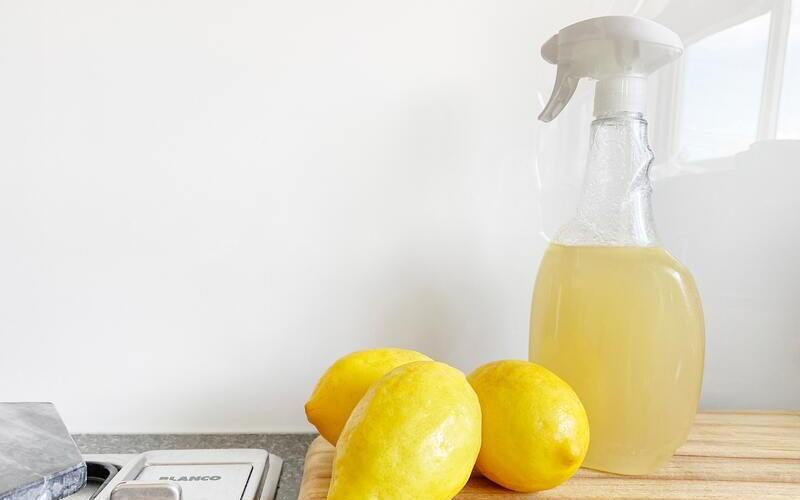
Sustainable cleaning products for spring cleaning 2022!
Most cleaning products are highly chemical and anything but eco-friendly. But with a few household staples, you can change that.
In 2022 we wrote about sustainable cleaning products for spring cleaning. The key takeaway remains: you often need fewer bottles than the drugstore claims. Baking soda, vinegar, washing soda, and citric acid can handle many tasks-if you know where they shine and where they don’t belong.
- Homemade cleaners make it clearer what’s actually going onto your surfaces.
- Baking soda tackles residue, grease, odors, and limescale in your kettle.
- Vinegar dissolves limescale, grease, and rust but can attack rubber, silicone, natural stone, and copper.
- Washing soda tackles grease, encrustations, and grime-try two tablespoons per liter of water.
- Citric acid is a great alternative for limescale, even on many plastics and fittings.
Why Less Cleaner Can Work Better
The spring cleaning ritual sounds like a fresh start, but it often smells like chemicals. The original text wasn’t about asceticism-it was about control. When you mix your own cleaners, you know exactly what’s inside. This can be especially useful when store-bought detergents trigger allergies or unnecessarily stress surfaces with their active ingredients.
Sustainable cleaning doesn’t mean ignoring dirt. It means cleaning more strategically. Many household staples are already on your shelf. What matters is using them correctly. Baking soda, vinegar, washing soda, and citric acid aren’t interchangeable miracle cures. Each has its own strengths, ideal applications, and limits.
A clean household doesn’t necessarily need more products. It needs smarter decisions per surface.
Baking Soda, Vinegar, and Washing Soda in Daily Use
Baking soda was described in the archive as a fine white powder-more precisely, sodium bicarbonate. Combined with water, it tackles stubborn residues. For pots or pans, add both, heat the water, and watch baked-on bits lift away. It also cuts grease, fights bacteria, neutralizes odors, and helps in ovens or kettles.
Vinegar is the bold all-rounder for kitchen and bathroom, especially in areas with hard water. According to the original, it dissolves limescale, grease, and rust while disinfecting surfaces. For windows, a 1:5 mix of vinegar to warm water was recommended. The caveat is crucial: acetic acid isn’t compatible with every material. Rubber seals and silicone joints can become brittle. Natural stone may lose its finish and develop white rings. Copper can develop toxic verdigris. Here, restraint isn’t a detail-it’s a must.
Washing soda steps in when grease and crusts are the issue. Stovetops, countertops, and pots were the examples in the original. Two tablespoons of washing soda per liter of water make a simple solution for many grimy spots. Washing soda comes as a powder, crystalline hydrate, or ready-made liquid. The powder is highly concentrated, so start sparingly.
Citric Acid Is the Refined Answer to Limescale
Citric acid was noted in the archive as an effective limescale remover. Unlike vinegar, it can be used on many surfaces, including plastics and fittings. Two to three tablespoons per liter of water form a basic mix. Egg cookers, kettles, taps, and showerheads were the suggested targets.
The real luxury here isn’t an expensive cleaning cabinet. It’s a home that gets clean without smelling of harsh chemicals. A handful of household staples, clear rules, and a little patience are often enough. Spring cleaning won’t be glamorous this way. But it will be calmer, more transparent, and far less wasteful.
The Quiet Elegance of a Minimal Cleaning Cabinet
Sustainable cleaning isn’t particularly photogenic. That’s exactly what makes it appealing. It’s not about chasing a new trend-it’s about clearer household logic. When four staples handle most tasks, the cabinet empties out and shopping becomes more deliberate. You buy fewer specialty bottles, toss less packaging, and actually understand why things work.
The original text stays refreshingly practical. It doesn’t romanticize household staples. Vinegar can do a lot, but not everything. Baking soda is potent, but not magic. Washing soda needs measured dosing. Citric acid elegantly tackles limescale-but it still has to be used right. That matter-of-fact approach matters because otherwise sustainability at home risks sounding like Pinterest rather than everyday life.
The approach works best when you don’t treat these staples as a replacement religion. Start with the most common chores: descale the kettle, clean fittings, cut grease, neutralize odors. Once that clicks, you’ll naturally need fewer aggressive cleaners. Spring cleaning won’t shrink-but it will make more sense.
The best order for switching to eco-friendly cleaning
You don’t need to overhaul your entire household in a single day. A more practical approach is to tackle one area at a time. Start with limescale, because the results become visible quickly. Kettles, showerheads, and taps. Next come greasy kitchen surfaces, followed by odours and burnt-on residues. This way, you’ll learn each household remedy through real, hands-on tasks.
The archived text works precisely because it doesn’t explain sustainable cleaning in abstract terms. Instead, it pairs products with risks. Knowing that vinegar can damage natural stone and copper lets you clean with more confidence. Recognising the difference between baking soda and washing soda means you’ll reach for the wrong bottle far less often. Sustainability here is a matter of small-scale craftsmanship: buy less, apply more precisely, and respect every surface.
If you want to make this approach permanent, label your mixtures clearly and keep them far from food. It sounds trivial, yet it prevents mistakes. Sustainable cleaning then stops being an improvised trick and becomes a neat household routine with clear rules.
Also remember: clean doesn’t have to smell like perfume. A neutral scent is often the better sign-it means the surface is truly clean, not just masked by fragrances.
Quick Answers
▸Which household remedies does the article mention?
Baking soda, vinegar, washing soda and citric acid.
▸What is baking soda good for?
Removing burnt-on residues in pots and pans, grease, odours, ovens and limescale in kettles.
▸Where should I use vinegar with caution?
On rubber seals, silicone joints, natural stone and copper.
▸How does the archive recommend mixing citric acid?
Two to three tablespoons of citric acid to one litre of water.


