
11 Ideas on How to Make Your Everyday Life More Sustainable
The harm plastic causes to our environment is no longer a secret. Yet many find it difficult to do without the material. We show you our best four tips for making your bathroom plastic-free!
In 2020, we reported on more sustainable daily routines. The retrospective shows: the eleven sustainability ideas from 2020 remain practical for everyday life: bottle, cutlery, cloth handkerchief, bicycle, unpackaged shopping, leftover utilization, and more conscious clothing make the difference in small ways.
- On the go, reusable bottles, your own cutlery, cloth handkerchiefs, and bicycles for short distances help.
- When it comes to food, it was about zero-waste shops, regional products, beeswax wraps, lunch boxes, and utilizing leftovers.
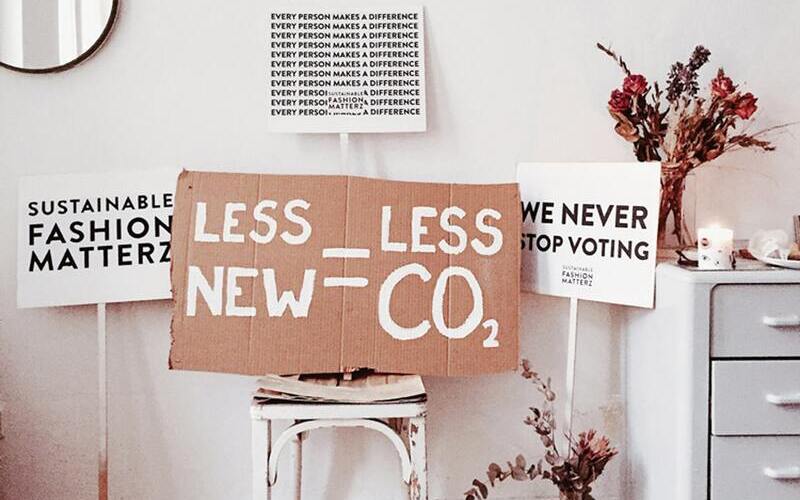
- For clothing, the article recommended airing out instead of immediate washing, second-hand shopping, and lower washing temperatures.
- Many steps save not only packaging but also money and material wear.
Outdoors, preparation makes the difference
The old post reads today like an archive piece with a solid core. It was about more sustainable daily routines, but really about a choice that becomes visible in everyday life. That’s exactly why looking back is worthwhile: not every phrasing from back then needs to stay, but the concrete observations certainly do.
The original post divided its eleven ideas into three categories: on the go, food, and clothing.
For on-the-go habits, it highlighted reusable bottles, personal cutlery, cloth handkerchiefs, and bicycles for short trips.
The implications are worth noting. Back then, the post leaned closer to trend-chasing language; today, it reads much calmer. The facts remain, but the stance sharpens: you don’t have to blow everything out of proportion just because a topic grabs attention.
Sustainability doesn’t become a big deal in daily life because you’re perfect. It becomes significant because you keep doing the same small things slightly better, over and over.
Food becomes more sustainable when less goes to waste
When it came to food, the focus was on zero-waste stores where customers bring their own containers or jars.
It also recommended regional products sourced from farmers’ markets, farm shops, or dedicated supermarket sections.
Beeswax wraps and lunch boxes were suggested as replacements for aluminum foil and single-use packaging.
For using up leftovers, it pointed to myfridgefood.com, a site where you can select ingredients you already have and find matching recipes.
For clothing, the text advised airing garments instead of washing them immediately, buying secondhand, and washing at 30 degrees.
These details aren’t just filler. They explain why the old piece holds up at all. Strip them out, and you’re left with nothing but vague sentiment. Keep them, and the post regains a clear through-line.
That exact through-line is what separates old-school blog tone from IBL. We keep the facts intact, strip away the noisy packaging, and more cleanly sort out what’s still relevant today.
Clothing Needs Less Actionism
The post becomes better when you don’t read it as a perfect list. Choose three routines that really fit into your daily life.
A bottle, a can, and a less frequent washing cycle sound small. Exactly in this lies their strength because you can repeat them often.
Sustainability can be calm and unexciting. It doesn’t become effective through grand statements in daily life, but through repetition.
Therefore, for your home or daily routine, less matters the big resolution than repetition. What you can easily repeat stays. What sounds good but isn’t practiced disappears after two weeks.
Good living ideas are rarely loud. They change small gestures, spaces, or routines so that daily life becomes calmer, cleaner, or more personal.
The old post works best today as a selection guide. Don’t take everything. Take what fits your rhythm and is actually used.
Therefore, for your home or daily routine, less matters the big resolution than repetition. What you can easily repeat stays. What only sounds good disappears after two weeks.
Good living ideas are rarely loud. They change small gestures, spaces, or routines so that daily life becomes calmer, cleaner, or more personal.
The old post works best today as a selection guide. Don’t take everything. Take what fits your rhythm and is actually used.
The benefit of such living topics lies in making specific gestures visible. Not everything needs to be new, bigger, or perfect. Sometimes it’s enough to sort a habit differently, choose an object more consciously, or start with a smaller idea so that it truly lands in daily life.
Good routines have an advantage: they no longer require strong willpower after a short time. If something is easily accessible, logical, and pleasant enough, it tends to stay. That’s exactly why small solutions are often stronger than a big resolution that disappears after two weeks.
You don’t need to make the old post a complete life rule. Take the part that fits your rhythm and leave the rest behind. A home, a bathroom, a calendar, or a workday doesn’t become better just because it looks planned. It becomes better when it can be used.
Also important is the order. First use what’s already there. Then replace, supplement, or think anew. Those who immediately replace everything often create new unrest. Those who proceed step by step notice faster which idea truly carries weight and which only sounds nice.
The good measure is simple: Does your daily life become easier, calmer, or more personal? If yes, the idea is worth it. If it only creates effort, it can go. Exactly this sobriety makes living topics better because they don’t decorate, but organize.
This also applies to sustainability starting with small routines: The old content becomes better when you don’t read it as a quick slogan, but as a selection. What is concrete stays. What was only loud falls away. This way, an archive article becomes a text that provides orientation again.
This also applies to sustainability starting with small routines: The old content becomes better when you don’t read it as a quick slogan, but as a selection. What is concrete stays. What was only loud falls away. This way, an archive article becomes a text that provides orientation again.
This also applies to sustainability starting with small routines: The old content becomes better when you don’t read it as a quick slogan, but as a selection. What is concrete stays. What was only loud falls away. This way, an archive article becomes a text that provides orientation again.
This also applies to sustainability starting with small routines: The old content becomes better when you don’t read it as a quick slogan, but as a selection. What is concrete stays. What was only loud falls away. This way, an archive article becomes a text that provides orientation again.
Quick Answers
▸Which sustainability idea is easiest to implement?
A reusable water bottle is the simplest start. It saves money and single-use packaging on the go.
▸How do you avoid food waste?
Cook with leftovers that are already in the fridge. The old post mentioned myfridgefood.com as a recipe helper.
▸Does clothing need to be washed after every wear?
No. Jeans, skirts, and sweaters can often be aired out and worn again. This saves materials, water, and energy.


