

Shoji Principle: Walls That Divide Light, Not Block It
Japanese sliding walls of wood and paper partition rooms without darkening them. What the centuries-old shoji principle offers to old-building apartments and open floor plans, where builders only know the binary choice between solid wall and white box, is a third way.
Most room dividers operate in two modes only: wall or no wall, privacy or open plan. Between those extremes lies almost nothing. The Japanese shoji has offered a third option for centuries. A wooden frame strung with translucent washi paper divides a room without dimming it. That very property is making the principle fashionable again today, far from Kyoto, right in the middle of a Berlin old-building apartment.
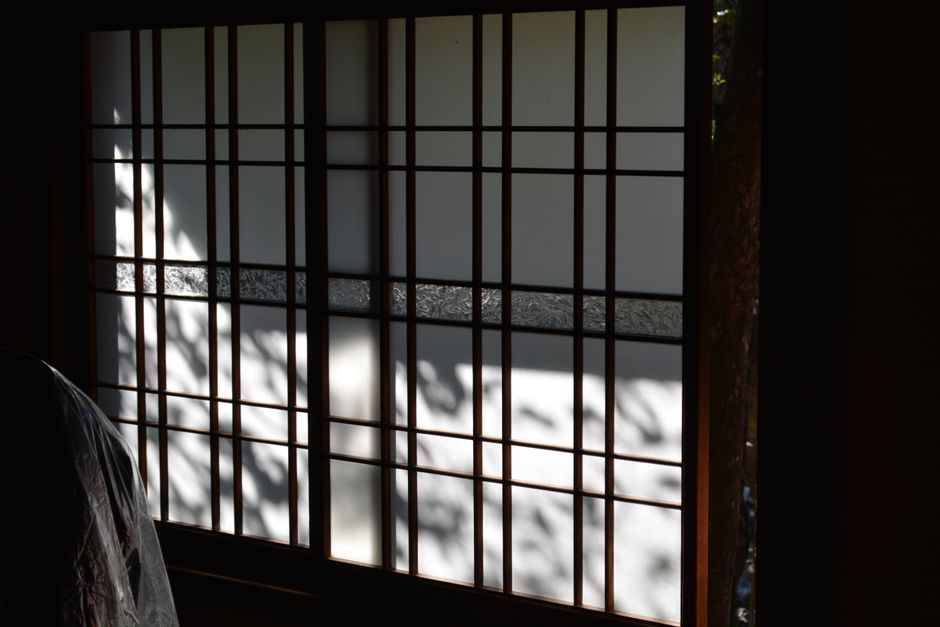
- Shoji consist of a wooden lattice (kumiko) strung with light-scattering washi paper, usually made from kozo fibres
- Unlike opaque fusuma panels, shoji let daylight through and cast soft shadows instead of hard edges
- The paper is traditionally replaced at regular intervals, making it a maintainable room divider rather than a fixed, sealed glass wall
Two Japanese words, one huge difference
Anyone who digs into Japanese room division quickly encounters two similarly sounding terms that do almost opposite jobs. Fusuma are opaque sliding panels, usually covered with thicker paper or fabric, that fully separate rooms. Shoji, by contrast, are deliberately translucent. They filter daylight instead of blocking it and create soft shadows instead of hard boundaries between inside and outside. Closing a shoji panel doesn’t steal light from the room; it only blocks direct sight.
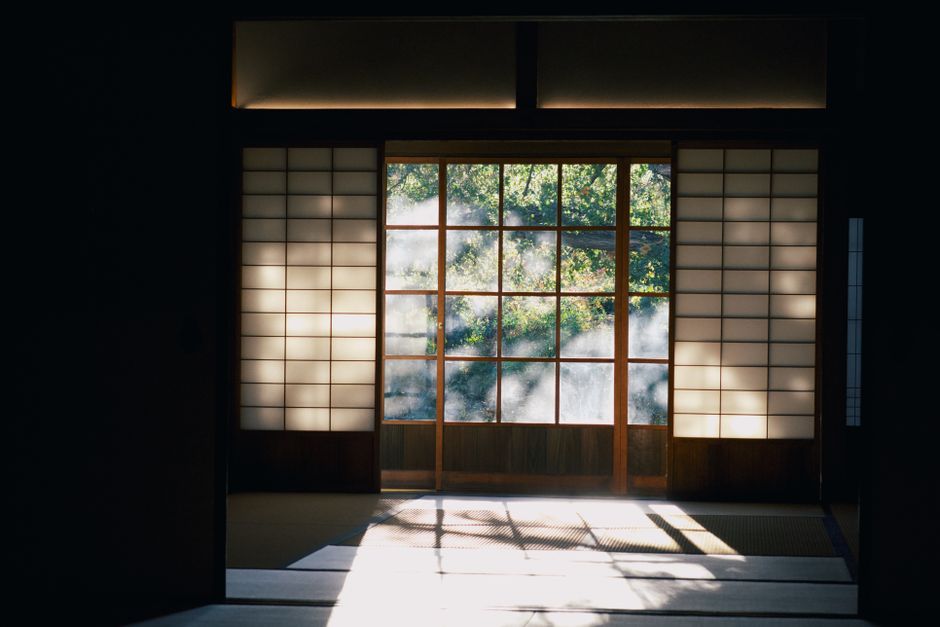
This difference sounds technical, yet it’s the whole point. A shoji wall separates functions, not light. A bedroom stays bright even when the door to the hallway is closed. A work area can be cordoned off without plunging the rest of the space into darkness.
The material that makes the difference
Shoji paper is usually washi, handmade Japanese paper from bast fibres such as kozo, often from the mulberry plant. It is tougher and more light-scattering than ordinary printing paper. Mino washi from Gifu Prefecture is a classic choice, backed by centuries of craft tradition. New hinoki frames, the Japanese cypress, release a dry, resinous wood fragrance, often the first sensory cue that freshly mounted elements are in place.
The frame itself follows its own craft tradition. Kumiko refers to the geometric lattice of fine wooden slats joined without nails, relying solely on precision fits. The finest kumiko can contain hundreds of individual slats; in Kanazawa and Kyoto patterns such as asanoha (hemp-leaf motif) are fitted to the millimetre. This is no decorative grille; it is a discipline in its own right.
How Kyoto connects inside and outside
In traditional machiya, the Kyoto townhouses, shoji often sit between living space and the engawa, the covered edge zone bordering the garden. The transition to the courtyard remains visible and yet protected. You sit indoors yet remain connected to weather, light and the seasons. That is a different idea of privacy than the European default of solid wall and window.
The Japanese ken module governs classical room proportions. Shoji and sliding doors are planned in multiples of this grid, a system still adapted in reform floor plans well beyond Japan. Installing a shoji element in a European old-building apartment imports not only a material but an entire mindset about proportion.
A shoji separates functions, not light. That is exactly what a glass wall cannot do. A solid wall certainly cannot.
Why Tanizaki Is Still Cited Today
Jun’ichirō Tanizaki’s essay “In Praise of Shadows,” first published in Japanese in 1933, shaped the Western image of subdued, indirect light. Conceptually, the text is closely tied to the translucent aesthetic of shoji screens. It is not about darkness as a deficiency, but about light that softens as it passes through materials before it reaches the room. This idea runs counter to almost everything Western living trends have preached in recent decades, maximum daylight, as unfiltered as possible.
Naomi Pollock’s definitive “The Japanese House” for Phaidon documents how light guidance, sliding elements and translucent walls continue to shape modern Japanese living today, far beyond any decorative trend. Anyone seeking to grasp the principle cannot bypass these fundamentals, even if their own floor plan lies thousands of kilometres from Kyoto.
Why This Matters for Old Buildings
German old-building apartments often face a problem that shoji could solve. High ceilings, many windows, yet rarely enough wall space to meet today’s needs, a home office here, a retreat there. A solid new wall steals light and often the room’s fine proportions. A glass partition quickly feels like an office. A shoji screen, by contrast, folds into the logic of the old building without copying it.
Kinfolk’s reportage regularly links Japanese craft culture with contemporary living and shows that translucent room dividers are a deliberate choice: intimacy without enclosure, never mere decoration. That is the difference from the Scandinavian white-box cliché, which often divides space only through colour and furniture, never through structure.
A Room Divider That Is Repaired Instead of Replaced
Shoji paper is traditionally renewed seasonally or when damaged, a maintainable room divider that does not seal an old building the way a solid glass wall would. It is a quiet yet consistent idea: instead of replacing an element once it shows wear, only the paper is renewed. The frame remains, often across generations.
This maintainability aligns with everything that defines good craftsmanship. Not the quick new, but the keeping, the caring, the occasional renewal of individual parts. A shoji element does not age poorly; it ages differently, visible and repairable at once.
Quick Clarifications
▸What distinguishes shoji from fusuma?
Fusuma are opaque Japanese sliding panels that fully separate rooms. Shoji are deliberately light-transmitting, usually covered with washi paper, and do not block daylight.
▸What is a shoji element made of?
A shoji consists of a wooden frame with fine kumiko latticework, covered with light-scattering washi paper, often made from kozo fibres. The lattice is joined without nails, relying solely on precise joinery.
▸Does the principle suit European old-building apartments?
Yes, especially rooms with abundant light but limited wall area. A shoji screen divides functions without blocking daylight and therefore feels less harsh than a solid wall or glass door.
Image source: cover image and article images Pexels.


