
Seasonal Dishes: The Best Recipes for This Autumn
Four autumn recipes packed with substance, plus the seasonal calendar that does your shopping for you: how to make the most of pumpkin, apple and co.
Cooking seasonally in autumn means one thing above all: pumpkin, apple, cabbage and root vegetables are fresh and aromatic on the shelves, and you pay less than for imported summer produce. We’ve put together four recipes that work without any special equipment, plus a seasonal calendar to guide your shopping.
- Pumpkin season is October: Even though Hokkaido pumpkins are available year-round, they taste best in October.
- Don’t peel Hokkaido: The skin softens during baking and is edible, packed with beta-carotene and saves you the hassle of peeling.
- Four recipes, one afternoon: Pumpkin-tomato soup, roasted pumpkin with feta, pumpkin-potato bake and a juicy apple cake.
- Local beats imported: In November, cabbage, parsnip and beetroot take over-all grown locally.
When the leaves change colour and the days grow shorter, the kitchen becomes the cosiest spot in the flat. That’s exactly when it pays to use what’s growing right outside your door. Seasonal vegetables not only travel the shortest distance from field to plate, they’re usually cheaper and more flavourful than imported produce. The following four recipes make the most of autumn-without needing a professional kitchen.
What’s in Season This Autumn?
October is pumpkin season. While Hokkaido squash is available year-round, it’s at its most aromatic in early autumn. Root and storage vegetables also come into their own: parsnips, celeriac, carrots, leeks and the last of the potatoes. If you’re craving something sweet, local apples and pears are now at their peak.
By November, the produce shifts towards cabbage. Fresh kale, Brussels sprouts, savoy and red cabbage fill the shelves, joined by beetroot, radishes and parsnips. The latter can keep growing until December, providing plenty of vitamin B and C-just the ticket to fend off the winter blues. Sticking to this seasonal calendar means you’ll shop cheaper and fresher almost without thinking.
Seasonal cooking isn’t about deprivation-it’s the easiest way to bring more flavour to the table with minimal effort.
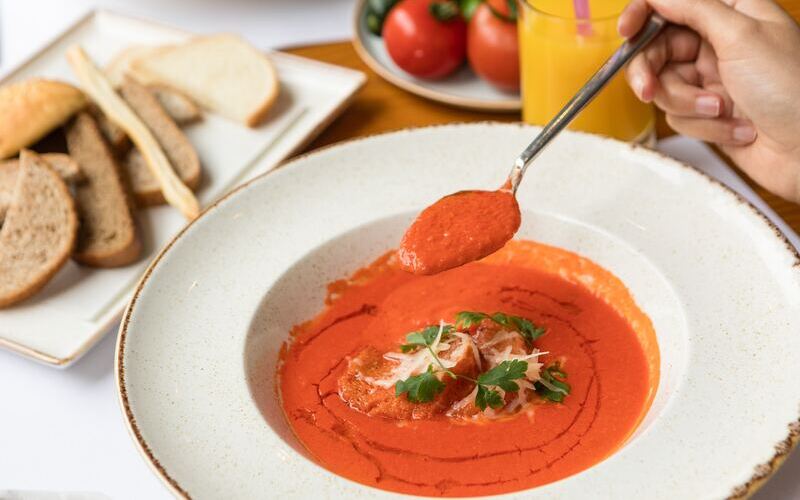
Pumpkin & Tomato Soup
The classic for chilly evenings, ready in under 30 minutes. You’ll need:
- 500 g Hokkaido pumpkin
- 800 g chopped tomatoes (2 cans)
- 1 onion
- 2 garlic cloves
- 1 tsp vegetable stock powder
- 3 tbsp cream cheese
- 1 tbsp olive oil
- Salt and pepper
Wash the pumpkin thoroughly and scoop out the seeds. No need to peel Hokkaido-its skin softens during cooking and adds extra aroma. Cut the flesh into rough chunks and dice the onion and garlic. Heat the oil in a wide pot, sauté the onion and garlic until translucent, then add the pumpkin and tomatoes. Pour in the stock, stir well and simmer for about 20 minutes until the pumpkin is tender. Blend until smooth, season with cream cheese, salt and pepper, and serve.
Roast Pumpkin with Feta
Minimal effort, maximum impact: everything on one tray, straight into the oven. Ingredients:
- 1 small Hokkaido (approx. 1 kg)
- 1 garlic clove
- 2 tbsp olive oil
- 100 g feta
- 1 small handful thyme, leaves picked
- Salt and pepper
Preheat the oven to 180 °C (top/bottom heat). Halve the pumpkin, scoop out the seeds and cut into bite-sized pieces. Peel and finely chop the garlic. Toss the pumpkin, garlic, oil, thyme, salt and pepper in a baking dish, mix well and crumble the feta on top. Bake for about 25 minutes until the pumpkin is tender and the feta is golden and crisp. Adjust seasoning to taste and enjoy.
Pumpkin & Potato Bake
The ultimate family-satisfier, serving 6. Ingredients:
- 700 g potatoes, thinly sliced
- 700 g pumpkin, thinly sliced
- 200 g cream
- 100 ml stock
- 50 g Parmesan, grated
- 2 tbsp crème fraîche
- 100 g cheese, grated
- 50 g feta
- Fresh thyme, pepper, nutmeg
Slice the potatoes and pumpkin thinly-the potatoes can be a little thinner since they take longer to cook. Layer the slices in a baking dish or spread them on a 30×40 cm tray. Whisk the cream, stock, Parmesan and crème fraîche into a sauce, season with pepper and nutmeg, then pour over the vegetables. Cover with foil and bake at 180 °C for 50 minutes. Remove the foil, sprinkle with the grated cheese, feta and thyme, then bake until the cheese is golden and bubbly.
Apple Cake to Ring in the Autumn
Local apples are in season now, so it’s time to bake them into a cake. You’ll need:
- 160 g butter
- 3 eggs
- 1 tsp vanilla paste
- 160 g sugar
- 220 g flour
- 2 tsp baking powder
- 1 tsp cinnamon
- 4 small tart apples
- 3 tbsp sliced almonds
- a little cinnamon sugar
Cream the butter, sugar, eggs, and vanilla paste until fluffy. Mix the flour, baking powder, and cinnamon, then fold into the wet ingredients. Peel the apples, remove the cores, and cut them into quarters. Spread the batter in a greased or parchment-lined tin, smooth it out, and arrange the apple pieces evenly on top, pressing them lightly into the batter. Sprinkle with almonds and cinnamon sugar, then bake at 160 °C (convection) for about 35 to 40 minutes.
Cooking seasonally is the simplest way to try new recipes and ease into the cooler months. If you’re craving more autumnal dishes, check out our delicious pumpkin recipes for Halloween. And if you want to enjoy the flavours on the go, join us on a trip to South Tyrol in autumn, where nature and cuisine come together. Want to pair your cooking with an active autumn? Find the perfect workout at InspiredBySports.
Good to Know
▸Do I need to peel a Hokkaido pumpkin?
No. The skin of a Hokkaido softens during cooking and baking and is perfectly edible along with the flesh. It’s even packed with beta-carotene and has a nutty flavour. Just give it a thorough wash-ideally opt for organic if you plan to eat the skin.
▸What vegetables are in season in autumn?
In October, pumpkin, root vegetables like parsnip and celeriac, plus local apples and pears take centre stage. By November, cabbage varieties such as kale, Brussels sprouts, and red cabbage take over, along with beetroot and radishes. Use this calendar to guide your shopping.
▸Why bother with seasonal cooking?
Seasonal ingredients travel shorter distances, stay fresher, are often cheaper, and taste more intense than imported produce. Plus, the changing seasonal calendar naturally keeps your menu exciting and varied.
▸Can I adapt these recipes to be vegetarian or vegan?
All four recipes are vegetarian. For a vegan twist, swap feta, cheese, and cream for plant-based alternatives and use plant margarine and an egg substitute in the apple cake. The flavour stays close to the original.


