Sustainable holidays – tips and tricks for eco-conscious travel
In spring 2022 we showed how a holiday and a clear conscience can go hand in hand. Three years later, sustainable travel is no longer a niche topic but a comfort upgrade. What still holds true today?
Sustainable travel doesn’t mean less travel-it means better-planned travel. Choosing your route, accommodation and pace on-site consciously cuts your footprint without sacrificing comfort. We explored this topic back in 2022. Since then, one thing has changed above all: the sustainable option is now often the more pleasant one.
- The way you get there decides your footprint. A short-haul flight emits many times more per person than train or bus.
- Night trains are back. Europe’s network is growing again, from Vienna via Zurich to Rome, and you save a hotel night.
- Certified properties like the roughly 100 European Bio Hotels take the guesswork out of whether a place truly operates sustainably.
- On-site, walking and public transport beat the rental car-especially in cities. Cheaper, more relaxing, closer to the action.
- Slow travel is the real lever: stay longer, cover less ground, go deeper.
Why the Journey Decides Everything
If you want to make your holiday more sustainable, there’s one lever that dominates almost everything else: how you get there. Flying is convenient, fast, and on short routes often shockingly cheap. That’s precisely the problem. A short flight produces many times the emissions of a comparable journey by train or long-distance bus. No matter how green your accommodation or restaurant at the destination, you can’t offset a flight.
So here’s a simple rule of thumb. If your destination is on another continent, flying makes sense-and the longer stay is all the more worthwhile. If you’re staying in Europe, there’s almost always a better option that’s not only cleaner but turns the journey itself into part of the holiday.
The Night Train Renaissance
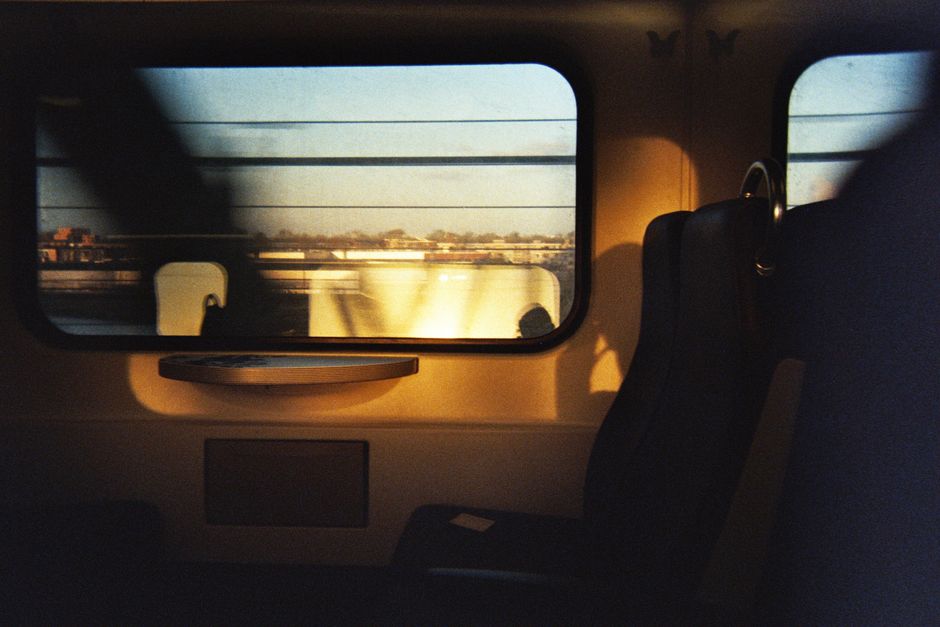
In the 2000s, night trains disappeared from timetables across much of Europe. Today, the network is growing again. ÖBB’s Nightjet is the largest operator, linking cities like Vienna, Munich, Zurich, Amsterdam and Rome. The Munich-Rome route, long suspended for construction work, is running again, and private providers such as European Sleeper are launching new lines, including a planned Brussels-Barcelona connection.
The appeal lies in the maths. You board in the evening, sleep, and wake up at your destination. You skip a hotel night, and the travel day becomes the journey itself. It’s not a sacrifice-it’s a different way to arrive. Still, check the timetable before booking, because not every desired route runs year-round. The Nightjet Paris-Berlin service, for example, was withdrawn at the end of 2025 when France cut subsidies, while European Sleeper plans to reintroduce it in 2026.
In 2025, the sustainable travel option is rarely the less comfortable one. Most of the time, it’s the one that gives you the more beautiful travel day.
Accommodation: Certified Saves the Research
Almost every property now calls itself sustainable in some way. That doesn’t make choosing easier-it makes it harder, because a green promise on a booking page tells you little about actual practices. That’s where certifications help, because they do the vetting for you.
A well-established example is the Bio Hotels brand, launched in 2001 as a pioneer in sustainable hospitality. Today it includes around 100 properties across several European countries, concentrated in Germany and Austria but also in Italy. The hotels commit to strict ecological standards, from organic cuisine to energy supply. You don’t have to research every detail yourself-the seal is the shortcut. When booking, still check whether a concrete certification backs the word “sustainable” or if it’s just marketing.
On Site: Less Car, More City
At your destination, the rental car often seems the convenient choice. In many cases, that’s an illusion. If your accommodation is central, you won’t need a car at all. You’ll explore a city more thoroughly on foot anyway, and when your legs tire, public transport or a bike share will take you further. It’s cheaper to boot, and you avoid hunting for parking.
A rental car is worth it mainly when you’re travelling as a group and splitting costs, or when your destination is rural and poorly served. For a classic city break, it’s usually the priciest and least comfortable way to get around.
Slow Travel Instead of Ticking Boxes
The biggest lever isn’t a single tip-it’s an attitude. Slow travel means staying longer in one place instead of ticking off five cities in a week. Less distance equals fewer emissions, and the holiday becomes more restorative. You get to know a region for real, instead of watching it blur past the train window. Who once crammed multiple stops into a single trip now deliberately savours the depth of a single destination.
Before you set off, a quick checklist at home helps: lights out, windows closed, plugs pulled from power strips. Use up, freeze or give away food that would spoil in the fridge. Small steps that add up because they cost nothing and quickly become habit.
For more inspiration for your next route, see our seven hidden gems for your next European road trip. And if you’re travelling solo, read why solo travel is more than just a trend.
Good to Know
▸Is the train really more climate-friendly than flying?
Yes, on comparable routes within Europe, and the difference is substantial. A short-haul flight generates many times the emissions of a train journey per passenger. On intercontinental trips the plane is often the only practical option, so it’s all the more worthwhile to stay longer once you arrive.
▸How can I spot a truly sustainable place to stay?
Don’t rely on the word “nachhaltig” in the listing; look for a concrete certification label instead. Accreditation such as that awarded by Bio Hotels binds properties to verifiable ecological standards and saves you the legwork of checking every detail yourself.
▸Is an overnight train worth it compared with a hotel plus a daytime trip?
Often it is. You skip a night’s accommodation, the travel day merges with the overnight journey, and you arrive rested in the city centre the next morning. Before booking, verify that your desired route is currently operating, because rail networks are constantly evolving.
▸Do I need a rental car on location?
For a city break, rarely. Walking and public transport usually get you around more cheaply and with less stress. A rental car becomes worthwhile mainly in rural areas or when you’re splitting costs with a group.