Lime Plaster Brings Warmth to Minimalism
Matte surfaces, warm woods, and diffused light transform pared-back rooms from galleries into spaces you actually want to linger in.

 //LIVING
Matte surfaces, warm woods, and diffused light transform pared-back rooms from galleries into spaces you actually want to linger in.
For years, minimalist interiors carried a stigma: sleek, sterile, and somehow unwelcoming-like living in a gallery rather than a home. That perception is shifting, not through adding more objects, but through choosing better ones.
Minimalism was once conflated with coldness: white walls, high-gloss cabinetry, chrome fixtures, a lone designer chair floating in emptiness. It looked disciplined but felt like a waiting room. The original intent was never about deprivation. It was about clarity, unobstructed sightlines, rooms that ease the mind rather than overstimulate it.
What’s now labeled warm minimalism corrects that misconception. The reduction remains, but it no longer fights against materials; it fights against visual noise. Fewer pieces, yes, but pieces with substance. Less spectacle, more surfaces you actually want to touch. The room doesn’t get busier; it gets warmer.
Warmth in these rooms doesn’t come from ornamentation; it comes from what they’re made of. Mid-tone light oak is rapidly displacing white lacquer, and in kitchens, dark woods like walnut are replacing the high-gloss fronts of recent years. Walls clad in lime plaster absorb rather than bounce light, while earthy textures lend depth to smooth planes.
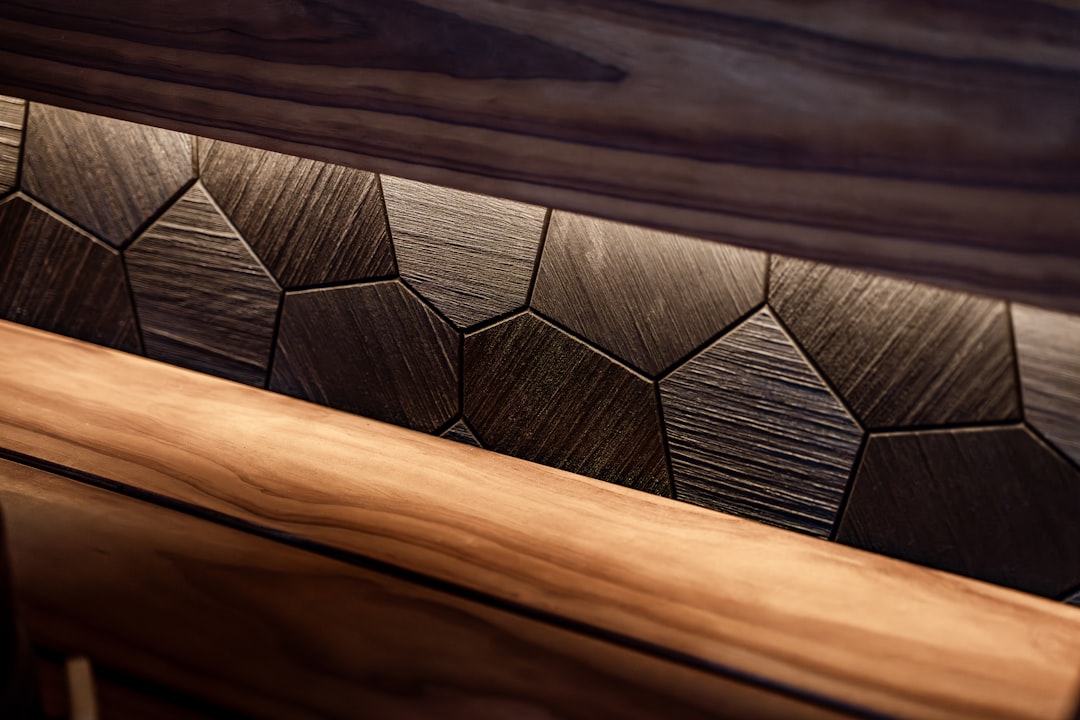
Textiles follow the same logic. Bouclé, corduroy, and linen offer surfaces that give something back to the hand. This isn’t a stylistic flourish; it’s the heart of the matter: a room feels warm when it’s tactile. That’s where warm minimalism meets Japandi-Japanese rigor fused with Scandinavian comfort. The austerity stays, but now it wears a softer skin.
These materials confer a second, often-overlooked advantage: they improve with age. Open-pored wood, linen, natural stone, and lime plaster develop a desirable patina instead of premature wear. A scratch becomes a story, not a flaw. That’s the difference between a room that was perfect once and one that grows more beautiful with you.
High-gloss has an unwelcome side-effect: it reflects everything-even the light you’d rather not see. Matte surfaces do the opposite. They swallow reflections, calm the eye, and let the colour speak for itself. A matte-beige cabinet feels calmer than a high-gloss white one, even though it carries more colour.
This shift extends to the smallest details. Instead of chrome, matte-black or brushed-bronze fixtures move to centre stage; they don’t flash, they carry weight, and they betray fewer fingerprints. Even the top tier of the furniture world has caught on: manufacturers like B&B Italia and Poliform now offer their classics in matte and textured finishes, because gleaming perfection feels out of place in a warm room.
A room is not warmed by what glints, but by what absorbs light.
Run your flat hand once over a matte-oiled oak plank and then over a lacquered surface, and the difference needs no words. One feels like material; the other like packaging. Warm minimalism chooses material every time.
Many rooms are planned around furniture and rescued with light. In warm minimalism it’s the other way around. Light isn’t the final layer; it’s the first decision. Where does morning sun enter? Where does the evening need a deep, warm lamp? Which corner can safely stay dark? Diffuse daylight on a lime-washed wall does more for the mood than any extra piece of furniture.
The decisive factor is the light’s temperature. Cool, even ceiling light pulls every room toward sterility, no matter how warm the materials. Warm, directional light turns the same materials into a space you want to linger in. It’s worth watching a room across a full day before buying a single lamp. Usually, what’s missing isn’t brightness, but warmth in the right places.
The surest sign is that a pared-back room doesn’t make you shiver. You step inside, your gaze finds its footing, yet it never feels like a showroom. The pieces are few, yet each surface invites your touch. Nothing glints, nothing elbows its way forward, yet the room isn’t empty-it’s quiet.
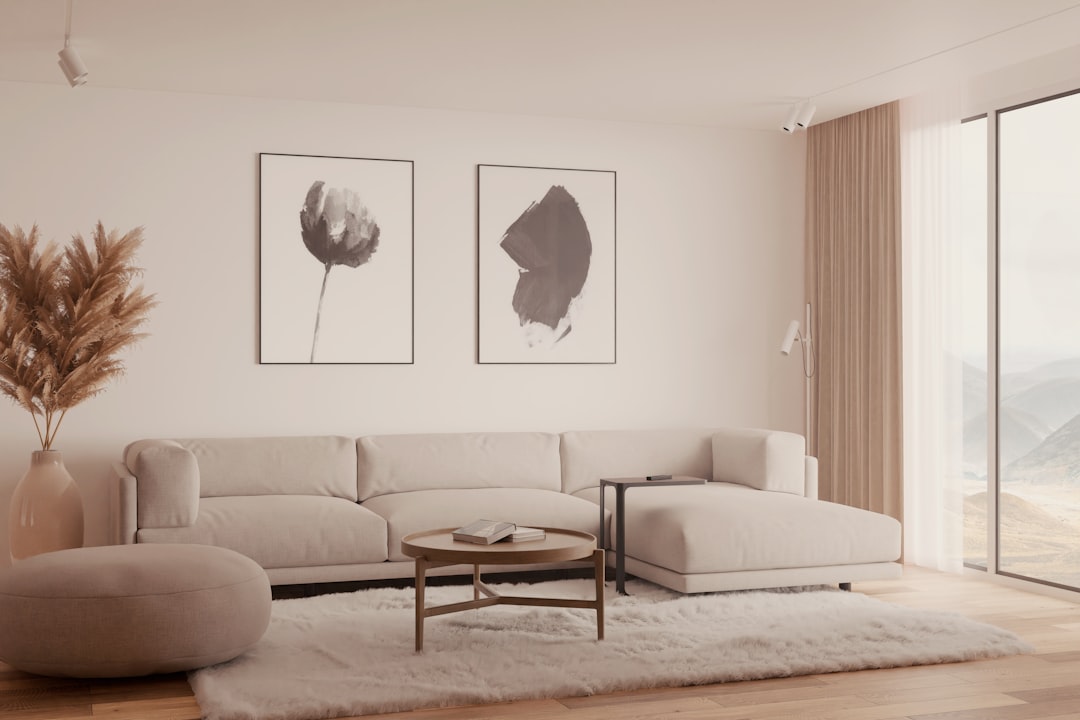
The second sign reveals itself over time. A cool minimalist room looks tired after a season because flawless surfaces expose every use as a flaw. A warm, reduced space tolerates daily life. Wood deepens, linen softens, stone gathers history. That patience with time is the real luxury – not the price tag of any single piece.
Finally, you’ll notice a warm, reduced room by how rarely you feel the urge to change it. What feels right in material and light rarely demands the next new object.
Both pare back to the essentials. Warm minimalism replaces high-gloss, white and chrome with matte surfaces, solid wood and tactile fabrics. Clarity remains; coldness disappears.
Pale to mid-oak, walnut, lime and textured plaster, natural stone, and tactile textiles like bouclé, corduroy and linen. The key is the surface: matte and natural rather than glossy.
Japandi is one specific flavour of it. It blends Japanese clarity with Scandinavian comfort and shares the core idea: reduction made bearable through material and warmth.
In the end, there’s no shopping list-just a pretty reliable test. Place your hand on a surface in the room. If it feels good to the touch and not only to the eye, it’s usually right.


