Lancia Stratos HF: A Wedge Born of Rally Fever
A car built for one purpose only: to win. Why the Stratos remains the purest idea of a rally car to this day.
Most cars are built first and then adapted for sport. With the Lancia Stratos HF, it was the other way around. It was invented for rallying. Everything else followed from that. Seen from a distance, this flat wedge from Bertone isn’t a compromise, it’s a thesis: this is what a car looks like when it has only one job. And it performed that job for three straight years with a matter-of-fact ease that still echoes today.
- Designed by Marcello Gandini at Bertone, unveiled as a red prototype in Turin in 1971
- Powered by the Ferrari Dino V6, which Enzo Ferrari only reluctantly supplied
- Regarded as the first car conceived from the ground up for rallying
- Manufacturers’ world champion in 1974, 1975 and 1976 in the WRC
A Wedge from Nowhere
In 1971, a blazing-red prototype stood on the Turin Motor Show floor, penned by Marcello Gandini at Bertone. A year earlier, the Stratos Zero had already hinted at the direction: just 84 cm tall, a fibreglass sculpture that Nuccio Bertone simply drove under a closed factory shutter. The HF was the drivable answer. A nose line below the tops of the front wheel-arches, a crescent-shaped panoramic windscreen that let dust and gravel in from the front instead of the back.
This wasn’t design whimsy. The Stratos was the first car designed from the ground up for rallying. A steel spaceframe with integrated roll cage, fibreglass bodywork, an extremely short wheelbase for maximum agility. When you look at it, you don’t see a road car with sporting ambitions, you see a tool that happened to be road-legal.
The Engine Enzo Didn’t Want to Give
The Stratos’ heart came from Ferrari. The 2.418-litre Dino V6 was originally meant for another life. Enzo Ferrari initially refused to supply it; only after the Dino programme ended did he release around 500 engines to Lancia. In road-going trim, this V6 revved to 7,000 rpm and delivered up to 190 PS, a thin, high-revving howl just behind the shoulders, fibreglass on a steel grid, under 1,000 kg empty weight.
To homologate in Group 4, 500 examples had to be built. Production started in 1973, final assembly at Lancia in Chivasso, bodywork by Bertone in Turin. In the end, about 492 cars were completed. That’s the narrow ridge on which such machines are born: just enough to satisfy the rulebook, not a single one more than reason would allow.
The Stratos was never a road car that was allowed to race. It was a race car reluctantly granted road-going papers.
Three Titles and a New Era
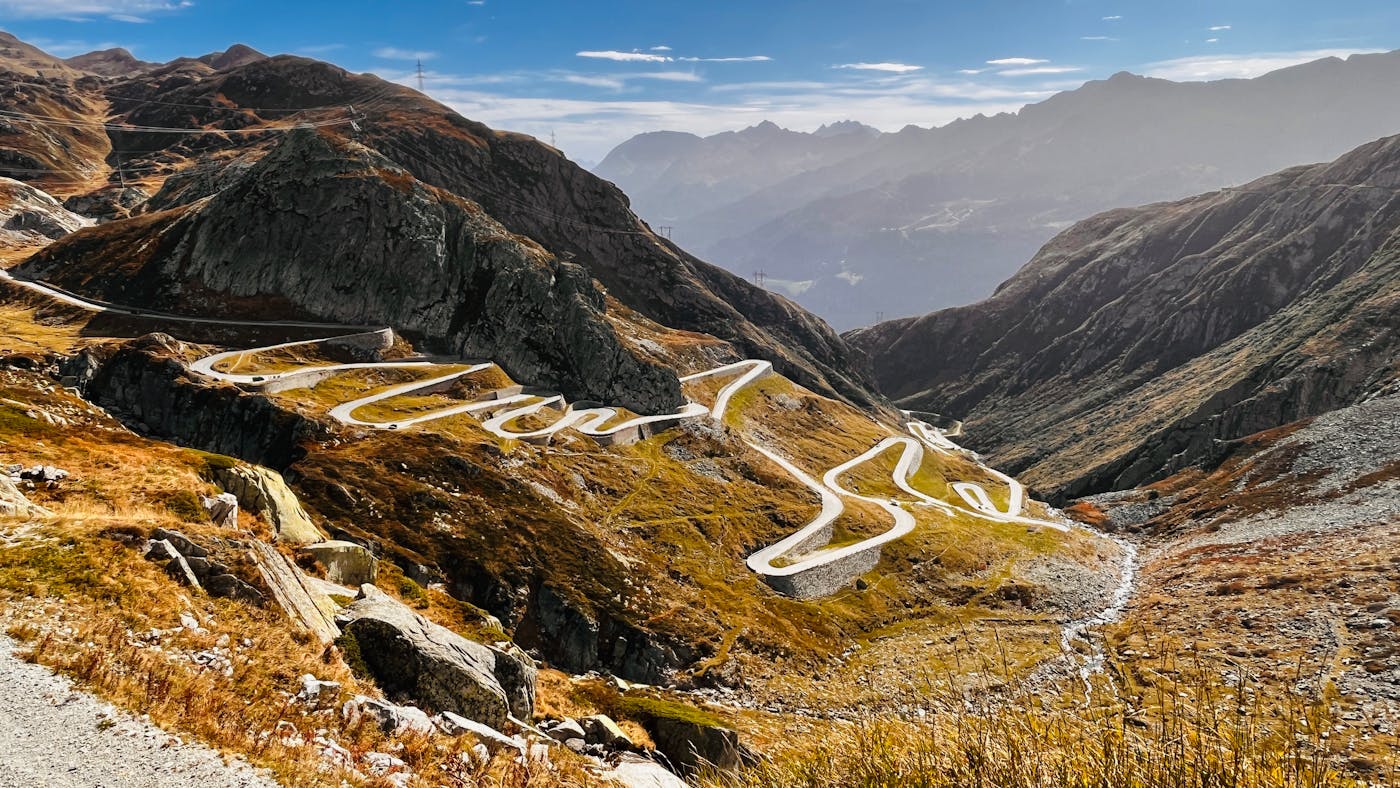
On the track, the Stratos delivered exactly what its shape promised. Lancia won the manufacturers’ world championship in 1974, 1975 and 1976, its first three consecutive titles and the start of a run that would ultimately yield ten manufacturer crowns for the brand. The first documented world-championship victory came at the Rally Sanremo in 1974, with Sandro Munari and co-driver Mario Mannucci on Liguria’s asphalt and gravel.
The Monte Carlo victories followed from 1975, when Munari claimed the legendary event behind the wheel of a Stratos. In a season shortened by the oil crisis, Lancia’s wedge gathered enough points to wrest the constructors’ title from Fiat. This wasn’t a lucky streak. It was the logical outcome of a car that could, and wanted, only one thing: to win. While rivals struggled to shoehorn their road cars onto the track, Lancia had worked backwards from the rally and put the rally first.
Why the wedge still matters
What makes the Stratos timeless is its uncompromising nature. It hails from an era before modern safety and body regulations, when homologation rules could be stretched to the limit. Petrolicious calls it a Bertone masterpiece, and that’s exactly what it is. It isn’t a pretty car in any conventional sense. It’s a real car in the most radical way.
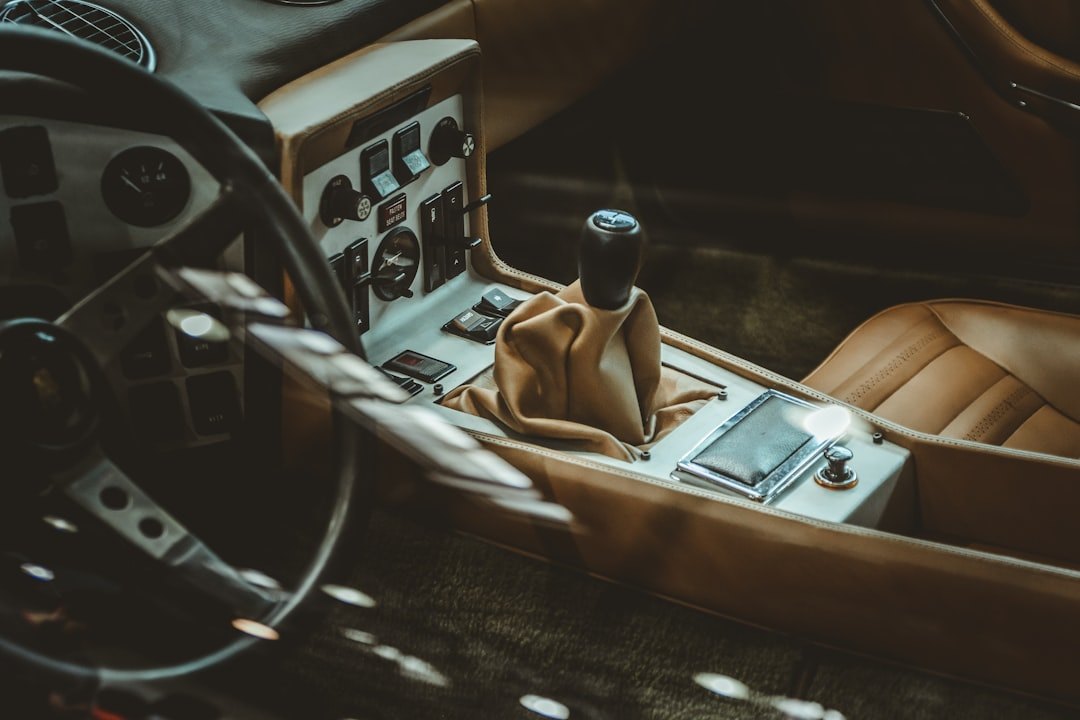
That’s precisely what’s missing in so many sports cars today. They do everything a little bit and nothing completely. The Stratos did one thing, and did it entirely. The short wheelbase, the light weight, the engine right behind the seats: everything served a single purpose.
Anyone lucky enough to drive one today isn’t piloting a museum piece; they’re experiencing an idea in its purest form. Every corner reminds you that someone built this car with no regard for comfort. A wedge of pure rally fever that never pretended to be anything else.
The Details
▸Who designed the Lancia Stratos?
The Stratos HF was penned by Marcello Gandini at Bertone and unveiled in 1971 as a vivid red prototype at the Turin Motor Show, one year after the flat Stratos Zero concept car.
▸What engine powered the Stratos?
It used the 2.418 cc Ferrari Dino V6. After initial hesitation, Enzo Ferrari supplied around 500 engines to Lancia. In road trim, the V6 delivered up to 190 hp at 7,000 rpm.
▸What titles did the Stratos win?
Lancia claimed the WRC manufacturers’ world title in 1974, 1975 and 1976. The first documented championship victory came at the 1974 Rally Sanremo with Sandro Munari and Mario Mannucci at the wheel.