Lake Como: Where Villas Still Whisper
46 kilometres long, 425 metres deep, a Grand Tour destination since the 16th century. Anyone who treats Lake Como as a day trip from Milan misses precisely what makes it special.
Lake Como cannot be ticked off in a single afternoon. Anyone who tries will see Bellagio, snap a few photos, maybe buy an ice cream, then head back to Milan without ever grasping why travellers have returned here for centuries. The lake belongs to the boat, to the early morning, to a room overlooking water instead of a car park.
- 46 km long, up to 425 m deep: one of Italy’s deepest lakes, built for multi-day circuits rather than quick trips
- Bellagio is the best-known gem, but not the only one: Varenna, Menaggio and Tremezzo are linked by scheduled ferries
- Historic villa hotels such as Villa d’Este and Grand Hotel Tremezzo have remained in family hands for more than a century
Why the boat is the only proper way in
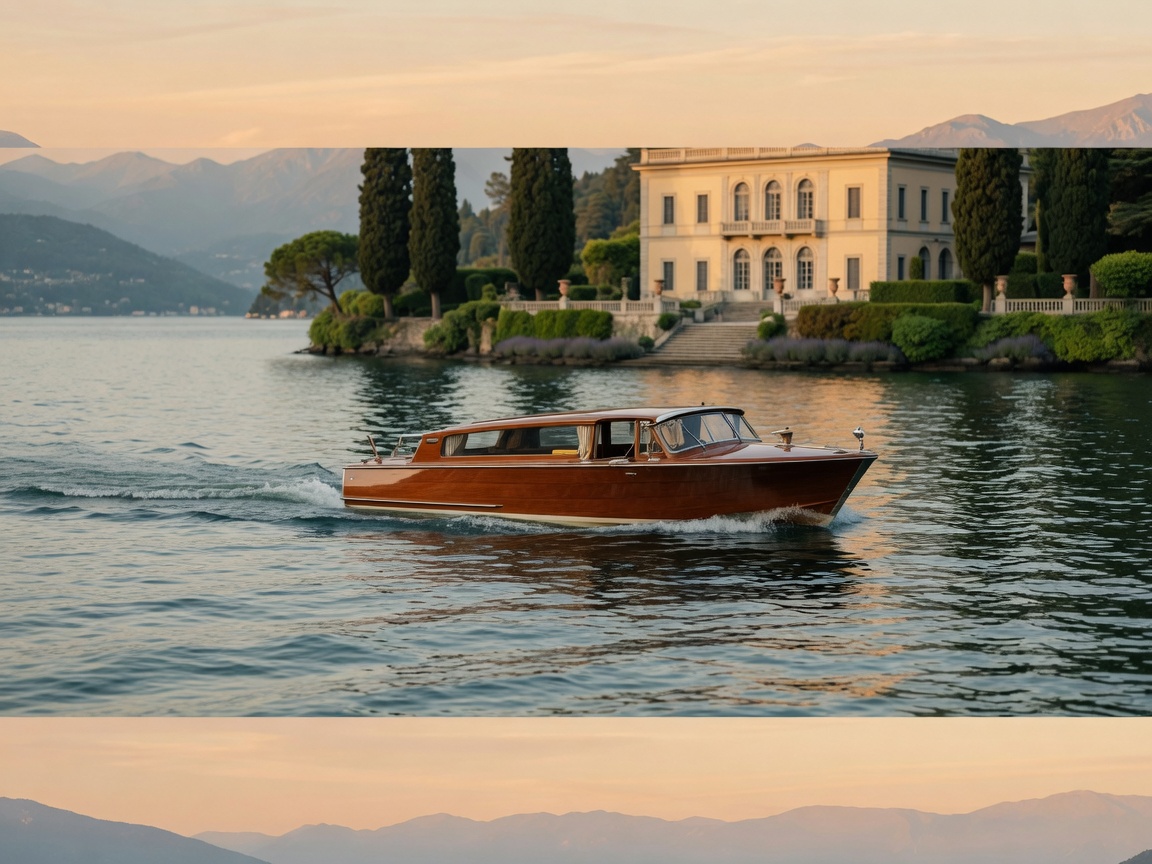
The lake stretches 46 km in length, plunges to a maximum depth of 425 m, and covers 146 km², one of the deepest and largest pre-Alpine lakes in Italy. That scale is why shoreline roads rarely offer the fastest route. Navigazione Laghi operates a dense ferry network between dozens of piers, including Como, Bellagio, Varenna, Menaggio and Tremezzo. Once you surrender to the taxi-boat system, it quickly becomes clear that Bellagio, while the central jewel, is only one of many. The eastern arm around Lecco and the western arm around Cernobbio each have their own character, quieter, less photographed, equally beautiful.
Villas that belonged to the Grand Tour before the term existed
Several lakeside villas date from the 16th century and were later converted into hotels to host Grand Tour travellers. Villa d’Este in Cernobbio is the most famous example: built in 1568 by Pellegrino Pellegrini as a summer residence for Cardinal Tolomeo Gallio, today it offers 151 rooms across two historic buildings set in a ten-hectare park. The Grand Hotel Tremezzo, by contrast, feels almost youthful. It opened only in 1910, founded by Enea and Maria Gandola, who had themselves experienced Europe’s finest houses as Grand Tour guests before creating their own. It remains in family hands to this day.
Smaller, newer, taken just as seriously
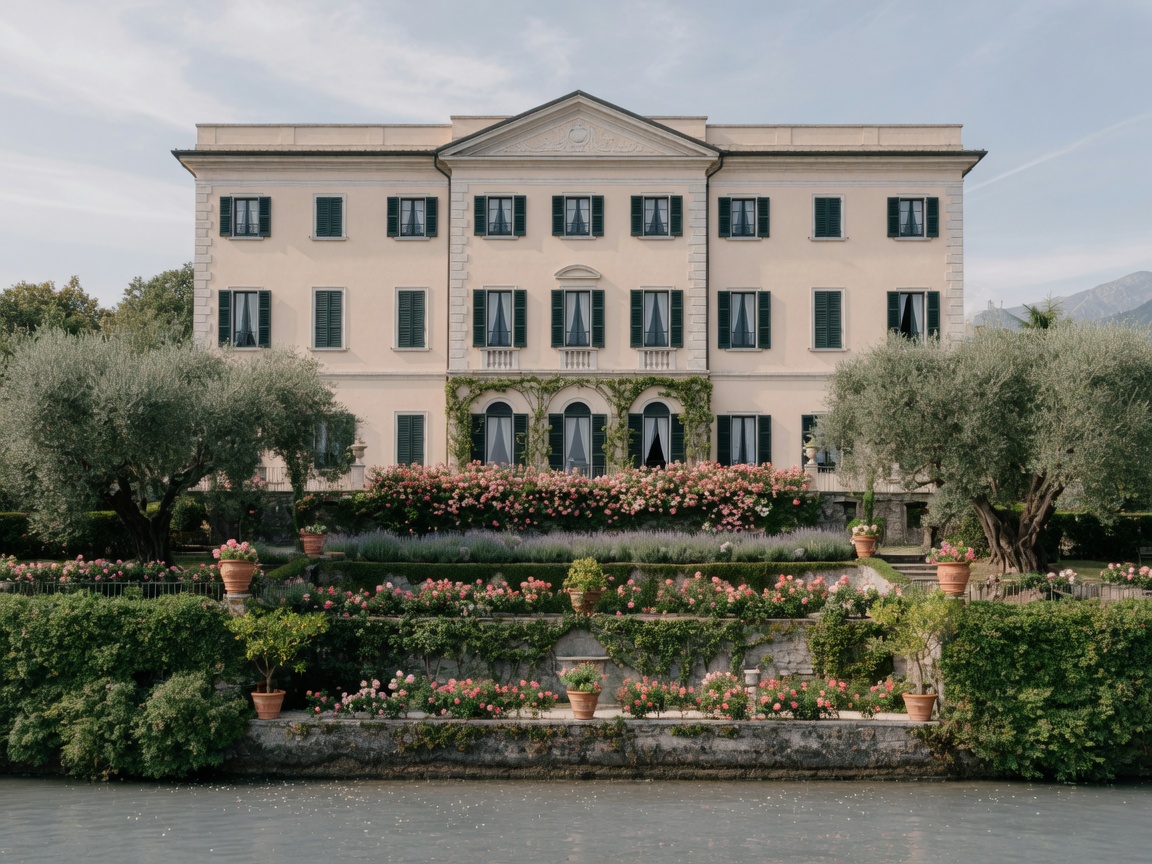
Not every grand-hotel experience on the lake is over a century old. Passalacqua in Moltrasio, a neoclassical villa hotel built in 1787, offers only 24 suites across seven acres of olive groves, roses and jasmine. It has become one of the region’s most sought-after addresses. Even newer is The Lake Como EDITION in Cadenabbia, opened inside a restored 1830 palazzo with 148 rooms, a private jetty and restaurants by Mauro Colagreco. In the lobby bar, a celadon-green-marble counter gleams beneath a nearly five-metre coffered ceiling, ceiling heights usually associated with historic villas rather than new builds.
Anyone who knows the lake only from the lakeside road hasn’t truly seen it yet.
Villa del Balbianello and the art of restraint
Not every famous villa is a hotel, and that is part of its appeal. Villa del Balbianello on the Lavedo peninsula near Lenno was transformed at the end of the 18th century from a Franciscan monastery into a literary retreat. Collector Guido Monzino later bequeathed it to Italy’s National Trust (FAI), making it publicly accessible yet permanently uninhabitable. That very inaccessibility turns a visit into a deliberate appointment rather than an afterthought. The same respectful distance applies to many private estates along the western shore, glimpsed from the ferry but wisely left untouched.
Music between the gardens
Visitors arriving in summer will find an extra programme beyond the architecture. The LakeComo Music Festival runs from early June well into September, with concerts in historic villas, gardens and theatres around Como and the Brianza. An evening concert in the park of a villa you’ve only seen from the outside by day shifts your perspective on the place once more.
How to really get to know the lake
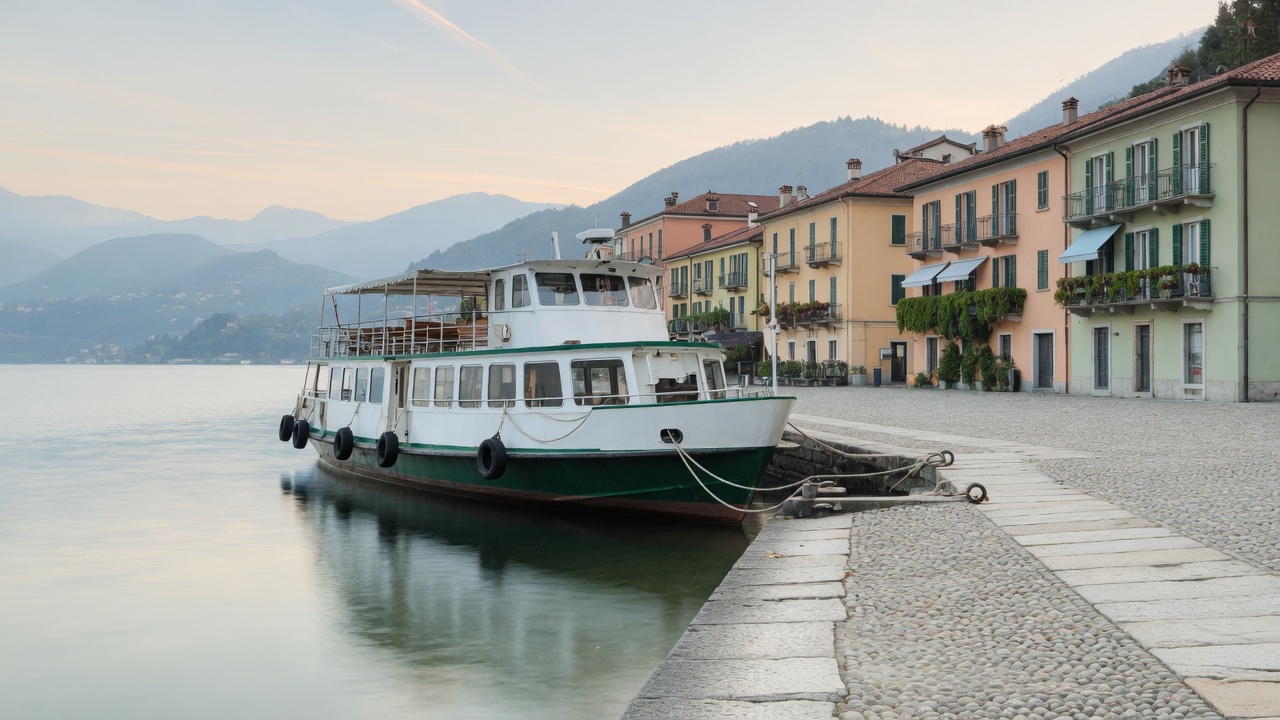
If you’re staying several days, think of the lake in stages rather than sights. One day for Bellagio and the ferry to Varenna, another for the quieter western arm around Cernobbio and Moltrasio, an evening for a concert or waterfront dinner in Tremezzo. The Lecco arm in the southeast, dominated by the 96-metre bell tower of the Basilica di San Nicolò, delivers the most alpine scenery and the fewest tourists. It’s this blend of proximity to Milan and genuine vastness that makes the lake a destination in its own right, not an add-on.
Good to know
▸What’s the best way to cross the lake?
The Navigazione Laghi ferry network connects Como, Bellagio, Varenna, Menaggio and Tremezzo plus other stops. For private exploration, boat taxis and rented motorboats offer more flexibility than the often slower lakeside road.
▸Is Bellagio the only worthwhile spot on the lake?
No. Bellagio is the best-known jewel, yet Varenna, Menaggio, Tremezzo and the quieter Lecco arm in the southeast each offer their own, less crowded character.
▸What sets historic villa hotels apart from newer properties?
Establishments like Villa d’Este or the Grand Hotel Tremezzo have stood for over a century, often family-run. Newer arrivals such as The Lake Como EDITION blend contemporary design with restored historic buildings.
Image source: title image and article images AI-generated.