
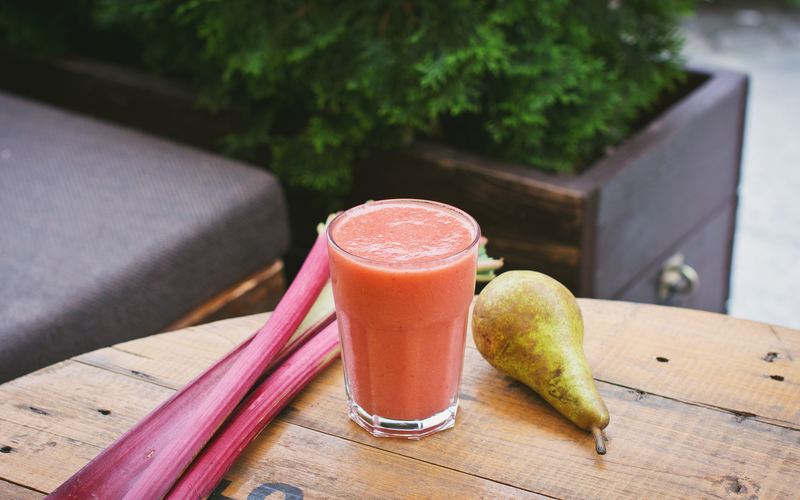
Juice cleanses: everything you need to know about the trend
In 2019 we wrote about the juice-cleanse craze when every other influencer was chugging green juice for days on end. Six years later, the trend is still on the shelf-but the promises have shrunk. Here’s what’s worth your time and what you can skip.
Six cold-pressed juices a day, no solid food, and the promise of a purified body: in 2019 the juice cleanse was the ultimate lifestyle ritual, and it hasn’t disappeared. Brands like Frank Juice, Kale&Me and Pressbar still sell their packages; the juices have improved and the marketing language is more cautious. The underlying detox myth, however, has long since failed every fact-check. Here’s the honest take, six years after the hype.
- A juice cleanse means three to five days of nothing but cold-pressed fruit and vegetable juices-usually six bottles a day.
- It doesn’t “detox” your body; your liver, kidneys and gut handle that on their own, and there’s no measurable “slag” effect.
- You’ll drop a few pounds fast because you’re taking in far fewer calories-but the weight almost always comes back once you’re eating normally again.
- Providers like Frank Juice, Kale&Me and Pressbar deliver three-day packages for around €90 to your door.
- Best used as a mindful reset and gateway to lasting change-not as a miracle cure.
What a juice cleanse actually is
A juice cleanse involves consuming nothing but raw fruit and vegetable juices for several days. Typical durations are three or five days, during which you drink roughly one juice every two hours, totalling about six per day. The juices are cold-pressed and unpasteurised, so they retain most of their vitamins and enzymes. That was the sales pitch in 2019: plenty of nutrients, no chewing, and the comforting sense that you’re doing something good for your body.
Little has changed in substance since then. Cleanse packs still feature green juices with celery, cucumber or spinach, alongside fruitier blends and a ginger shot. What has shifted is the tone. Where detoxification used to be the buzzword, labels now more often tout “time-out” or “reset.” It’s no accident.
Detox demystified
The notion that the body accumulates “sludge” that must be flushed out dates back to physician Otto Buchinger about a century ago. In medicine, the term doesn’t exist. There is no such substance, and no study shows a juice cleanse detoxifies the body. Consumer advice centres, Stiftung Warentest and the German Nutrition Society all say the same thing at core.
A healthy body detoxifies itself. Your liver, kidneys, gut and skin eliminate what needs to go, juice cleanse or no juice cleanse.
In short: your organs do the cleansing around the clock, whether you drink juice or not. A cleanse cannot speed up the process. Brands that promise health miracles are selling a feeling, not measurable results. That’s why reputable providers now talk about “reset” instead of detox-because the latter doesn’t hold up.
Weight loss, with caveats
You will see the scale drop during a juice cleanse, and that’s not a myth. You lose weight because you consume far fewer calories than usual. Six juices don’t replace balanced meals. The catch: once normal eating resumes, pounds often return-the familiar yo-yo effect. A cleanse isn’t a weight-loss strategy.
What it can do is serve as a starting point. After three disciplined days, you may realise that less sugar and more vegetables agree with you, taking away more than a few grams on the scale. That reset mindset is the most honest reason to try a cleanse. If you’re already planning to revamp your everyday diet, the cleanse can be a conscious first step-nothing more.
Buy or juice yourself?
The easy route is a ready-made pack. Frank Juice from Munich, Kale&Me from Hamburg and Pressbar remain among the best-known providers in the German-speaking world and still deliver six years after our first article. A three-day cleanse starts at around €90, with five-day plans costing proportionally more. You receive chilled, numbered bottles in the recommended drinking order.
Juicing at home is cheaper but demands time and a decent juicer. If you’re after colour and nutrient variety, our piece on eating the rainbow offers good pointers on which produce to choose. The upside of DIY juicing: you know exactly what’s in each glass, and you can keep sugar deliberately low.
If you do it, do it right
A cleanse is easier if you prepare for it. Two to three days beforehand, cut back on dairy, sugar, meat, white flour, alcohol and nicotine; on the day before, switch to soups, smoothies and vegetables. During the cleanse: drink at least two extra litres of water or herbal tea in addition to the juices. For minor hunger pangs, reach for tomatoes, cucumber or a handful of unsalted nuts.
What you do after the cleanse is the most important part. Reintroduce food slowly-start with raw foods and light meals, then move on to vegetables, salads and whole-grain carbohydrates like brown rice or oats. If you dive straight back into pizza, you’re throwing away the benefits. Athletes know the same principle: recovery only works if you don’t sabotage it immediately. To see how much regeneration actually delivers, check out our sister magazine InspiredBySports’ feature Regeneration in Sport.
Bottom line: A juice cleanse isn’t-and never was-a detox miracle. As an occasional reset, a deliberate break from bad habits or simply a desire for a few days of light eating, it’s perfectly fine. Expect a clearer head and a couple of kilos less on the scale, not a “detoxed” body. With that expectation, you won’t go wrong.
Good to Know
▸Does a juice cleanse really detox the body?
No. Your liver, kidneys, gut and skin cleanse your body continuously on their own. There’s no scientifically proven detoxifying effect from juice cleanses, and the term “toxins” doesn’t exist in medicine.
▸Do you lose weight on a juice cleanse?
Short-term yes, because you’re consuming far fewer calories. After the cleanse, weight often returns (yo-yo effect). It’s not a sustainable weight-loss method.
▸How long does a juice cleanse last?
Typical durations are three or five days, with about six cold-pressed juices each day, one every two hours. Without medical supervision, don’t go beyond five days.
▸How much does a ready-made juice cleanse cost?
Providers like Frank Juice, Kale&Me or Pressbar start their three-day cleanses at around €90 delivered. Making your own is cheaper but costs time and a good juicer.
▸Who should avoid a juice cleanse?
Pregnant or breastfeeding women, people with diabetes, eating disorders or chronic illnesses should consult a doctor first. For healthy adults, a few days is usually fine.


