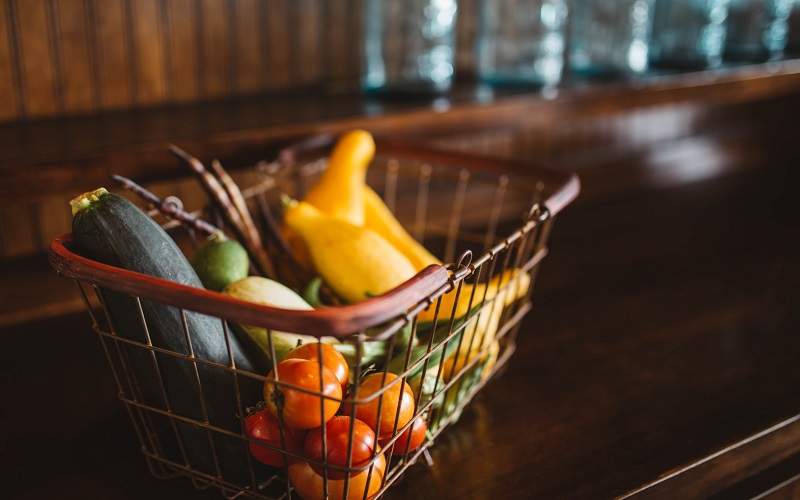
Healthy eating works even on a tight budget! The 5 best tips
Your budget is tight, but you still want to eat healthily? We’ve got the best shopping tips to keep your wallet-and your body-in good shape.
Healthy eating rarely fails because of a lack of knowledge-it’s almost always the receipt that lets people down. The good news: with seasonal timing, a bit of forward planning, and the smart use of your freezer, you can sail through the week just as fresh on a shoestring as you would on a full wallet. These five shopping tips show you how.
- Buying seasonal slashes the price of fruit and vegetables because supply is at its peak.
- Your freezer is your secret weapon: frozen produce is often more nutrient-rich than long-distance fresh produce.
- Bulk packs and staples like lentils, oats, or rice cost the least per serving.
- Discount corners and batch cooking stop waste-German households toss out roughly 75 kilograms of food per person every year.
- Cooking from scratch beats any ready meal on price per nutrient.
1. Shop for seasonal produce
Fresh fruit and vegetables don’t just taste better-they’re also significantly cheaper when you buy them in season. Check what’s piled high in the supermarket right now: tomatoes and berries in summer, pumpkin and cabbage in autumn, leeks and root vegetables in winter. Market traders also slash prices when supply is abundant. But the most honest money-saving trick is still picking your own: at the strawberry field you pay a fraction per kilo, and snacking on the way home is part of the deal.
Seasonal also means local, and local produce travels shorter distances. That doesn’t just protect your wallet-it also preserves nutrients, because there’s less time between harvest and plate.
2. Freeze your way to savings
Bought too much at once? Even better. Packed in a freezer bag or container, most foods last many times longer. You throw away less and always have healthy ingredients on hand. This is where the real leverage lies: German households toss around 75 kilograms of food per person every year, according to the Federal Ministry of Agriculture-more than half of the country’s total food waste.
Supermarket frozen goods are still underrated. Many fruits and vegetables are flash-frozen right after harvest and retain more vitamins than some fresh produce that sits on shelves for days. Fresh spinach can lose about half its vitamin C within days of storage, while frozen spinach keeps it for months. Frozen isn’t a compromise-it’s often the smarter choice.
Frozen food isn’t a last resort for bad days-it’s often the more nutritious and cheaper option.
3. Buy in bulk
Long-life staples are the backbone of any budget kitchen. Rice, oats, lentils, chickpeas, pasta, and canned goods cost the least per serving in large packs and form the framework for countless meals. A handful of lentils, some seasonal veg, and spices make a complete dish for just a few cents per plate.
The key is honest maths: bulk buys only pay off if you actually use them. Anything that moulders in the cupboard wasn’t a bargain. Sketch out your week roughly, and your pantry works for you instead of against you.
4. Hunt the reduced section
Every supermarket has one-and most shoppers walk straight past it: the corner of discounted items nearing their best-before date. Bread, yoghurt, vegetables, or meat often come with steep discounts even though quality is perfectly fine. The best-before date is a manufacturer’s quality promise, not an expiry date. Many products stay good for days after.
Shopping late in the evening nets the best markdowns. Apps that rescue surplus food from supermarkets and bakeries follow the same logic: good food for less because otherwise it would end up in the bin.
5. Cook ahead
The most expensive part of eating is almost always convenience. Ready meals, delivery services, and quick lunches on the go add up fast. Cooking a larger batch once a week, portioning it, and freezing it saves money and still gives you fresh food every day. Stews, curries, soups, and roasted vegetables work especially well because they taste even better reheated.
Once the system is in place, healthy eating almost runs itself. For tips on making it stress-free, check out our guide to meal prepping for everyday life. And if you shop seasonally, our round-up of best seasonal recipes gives you ready-made ideas for the pot.
Good to Know
▸Is frozen vegetables really just as healthy as fresh ones?
In many cases, they’re even healthier. Frozen produce is typically flash-frozen right after harvest, locking in vitamins for months, while fresh produce loses nutrients during long transport and shelf time. Fresh spinach can shed about half its vitamin C within just a few days.
▸Which pantry staples give the most bang for your buck?
Long-shelf-life basics packed with nutrients: oats, rice, lentils, chickpeas, pasta, and canned goods. Buying them in bulk slashes the per-serving cost and they’re endlessly versatile-as long as you actually use them.
▸How can I stop cheap groceries from ending up in the bin?
Sketch out a rough weekly plan, freeze leftovers promptly, and make a habit of shopping your “use-it-up” shelf first. German households toss about 75 kilograms of food per person every year; every gram you save is money back in your pocket.
▸Does the weekly farmers’ market even make sense if I’m on a tight budget?
Yes-if you time it right and focus on seasonal picks. Vendors often slash prices toward closing time to avoid hauling unsold stock back. Seasonal and local produce is frequently fresher and cheaper than imported supermarket goods.