
It’s all about food – The Food Trends 2021
Who would have thought that posted meals would ever serve a purpose? Thanks to them, we can now easily show you the food trends of 2020.
In 2020, we reported on food trends for 2021. The answer was surprisingly clear at the time: food wasn’t just cooked, ordered, and photographed-it was measured across social networks. Brandwatch analyzed German-language online mentions and revealed which dishes, beverages, hashtags, and shopping routines suddenly gained more weight.
- Brandwatch examined German-language online mentions over a period of more than six months.
- Instagram led with 42 percent in nutrition-related topics, ahead of Twitter and news sites.
- Veganism was discussed particularly often, while meat alternatives gained traction in conversations.
- Coffee, bowls, cakes, salads, and baked goods defined the previous trend outlook.
- Delivery services and ordering platforms became significantly more visible during the lockdown.
Eating Became a Public Habit
The original text began with an observation that now sounds almost self-evident: posted meals are not just vanity, they are data. Who photographs what lies on the plate is telling you something about shopping, taste, daily life and mood. That’s exactly where the Brandwatch study came in. It looked at tags in social networks and searched for patterns around nutrition.
This wasn’t just about pretty pictures. The study looked at emojis, hashtags, platforms, meals, diets, drinks and delivery services. A private moment became a public signal. That’s the real point of this archive piece: food was no longer just pleasure, but a language through which people showed belonging, mood and attitude.
A food trend is interesting when it shows more than appetite.
The top hashtags in the old text were accordingly direct: food, foodporn, vegan, delicious and foodblogger on Instagram, plus food, foodporn, nutrition, vegan and foodie on Twitter. You don’t have to like these terms to understand why they worked. They made food findable. From a plate of pasta to a post in a larger narrative.
Vegan, Coffee and Bowls Had the Strongest Presence
The vegan share was particularly noticeable. The old article mentions 325,000 thematisations and describes how conversations about meat alternatives and substitute products increased by 22 percent compared to the previous year. Tofu was leading, seitan and lupins followed. For milk alternatives, oat milk, almond milk and coconut milk were mentioned. This was no longer a small niche moment, but visible everyday life.
Even with specific foods, the text stayed close to habits: cakes, salad and bread products appeared particularly frequently in German-language posts. When it came to drinks, coffee clearly led. Conversations around coffee rose by nearly 55 percent in March. Wine and tea followed far behind. This reads like a small everyday map: coffee in the morning, salad or bread at noon, perhaps wine in the evening.
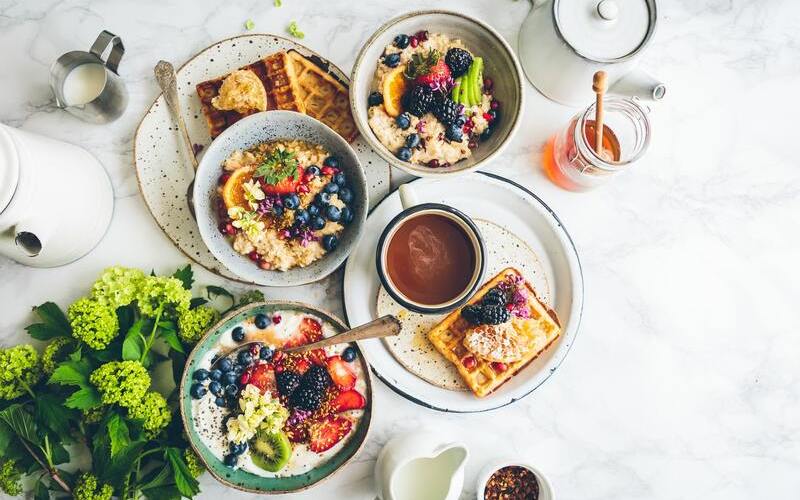
Bowls got their own stage. Smoothie bowls and porridge variants were at the top, along with toppings like avocado, blueberries and ginger. Sesame, chia seeds and turmeric also belonged to the top ten. The term bowl was more than a bowl back then. It stood for a certain view of food: beautifully arranged, quickly readable, coded as healthy and perfect for the feed.
The Lockdown Changed Shopping Habits
The strongest break in the old text lay with delivery services and order services. Amazon was mentioned with a mention increase of 444 percent, the Rewe delivery service with 420 percent and Bringmeister with 270 percent. You should read these numbers as a snapshot, not as an eternal ranking. But they show how quickly routines shift when restaurants, offices and commutes suddenly function differently.
Interestingly, the article saw lunch and dinner stronger, while snacks and breakfast were weaker. This also fits the archive moment. When everyday life takes place at home, meals become more planable, but also more visible. You cook, order, arrange and talk about it. Food then becomes a small ordering system for days that otherwise look very similar.
What remains? The old trend text was less a list of fashionable dishes than an observation about behavior. People used food to structure their day, show their attitude and connect with others. That’s why the article still holds up in the IBL archive. Not every buzzword has remained. The view of food as a social language has.
How to Read the Trend Today
For you, this means: Don’t take such lists as orders on what must be on your plate. Read them as a mirror. If a topic appears as often as vegan, coffee or bowls, it says something about longing. For control, for lightness, for rituals or for an image that looks good and feels good.
Luxury in the food context therefore doesn’t need to make a big appearance. Sometimes it’s the coffee that is really well made. Sometimes the bowl that wasn’t just decorated, but meaningfully put together. Sometimes even the delivery service that saves an evening, without pretending it’s a restaurant visit. The old article reminds us that taste often begins where everyday life is examined more closely.
A sharper look at food trends
When you read trend lists like these today, a little distance helps. Not every hashtag matters just because it pops up often. Not every superfood stays exciting just because it photographs well. The value lies in the distillation. Many small mentions reveal which habits are becoming visible and what longings lie behind them.
In the old food text, those longings were mainly three: eating better, sharing more beautifully, and being supplied more easily. Vegan stood for attitude and nutrition, bowls for order on the plate, delivery services for convenience in a changed everyday life. Coffee remained the ritual that held everything together. Read this way, the piece is less a trend report than a snapshot of the mood.
For IBL, what’s interesting here is that luxury doesn’t come through price. A good coffee, a clean dish, a thoughtful shopping trip, and a dinner that doesn’t look improvised can feel far more valuable than an overloaded plate. The old piece shows exactly this shift: taste became more public, but also more personal.
The IBL perspective
As an archive refresh, this text doesn’t need to pretend the old news is new. Its strength lies in reading the original observation more clearly. What was just a trigger, what remains as an attitude, what can you still draw from it today? Exactly this distinction turns legacy content into a piece that fits back into the page.
For you, that means: take the concrete details seriously, but not every bit of past excitement. Good archive pieces work when they preserve a moment while simultaneously calming down. They don’t show what you must immediately buy, eat, wear, or book. They show what to pay attention to when style, daily life, and enjoyment are thoughtfully combined.
Good to Know
▸What did the old food trend text base itself on?
On a Brandwatch analysis of German-language online mentions over several months.
▸Which platform was most important in the article?
Instagram was cited with 42 percent of nutrition-related conversations, ahead of Twitter and news sites.
▸Which vegan alternative featured prominently in the text?
Tofu was named as a particularly popular meat alternative, followed by seitan and lupin.
▸Why do delivery services appear so strongly?
The article linked the rise to lockdowns and changing shopping routines.


