Discovering Cities Through Their Workshops
Manufactories, material culture, and small studios reveal more about a place than any top-ten list. A journey along the workshops of Berlin, Munich, and Vienna.

 //TRAVEL
Manufactories, material culture, and small studios reveal more about a place than any top-ten list. A journey along the workshops of Berlin, Munich, and Vienna.
Most cities first show travelers their facade: the landmark, the viewpoint, the street everyone walks down. If you want to truly understand a place, reverse the order. Seek out the workshops where something has been handcrafted for generations. There, the city stands without makeup.
A top-ten list ranks a city by fame. A workshop ranks it by skill. That’s a different perspective, and it almost always leads away from the main thoroughfares-into a courtyard, a side street, an old waterfront district. There, you’ll find people who know a material so well they barely need to explain it.
Three cities in the German-speaking world are particularly suited to this way of traveling. Berlin, Munich, and Vienna each boast a manufactory so old that its history has become part of the city’s own. You can visit them in an afternoon and leave with a sharper image of the place than any bus tour could provide.
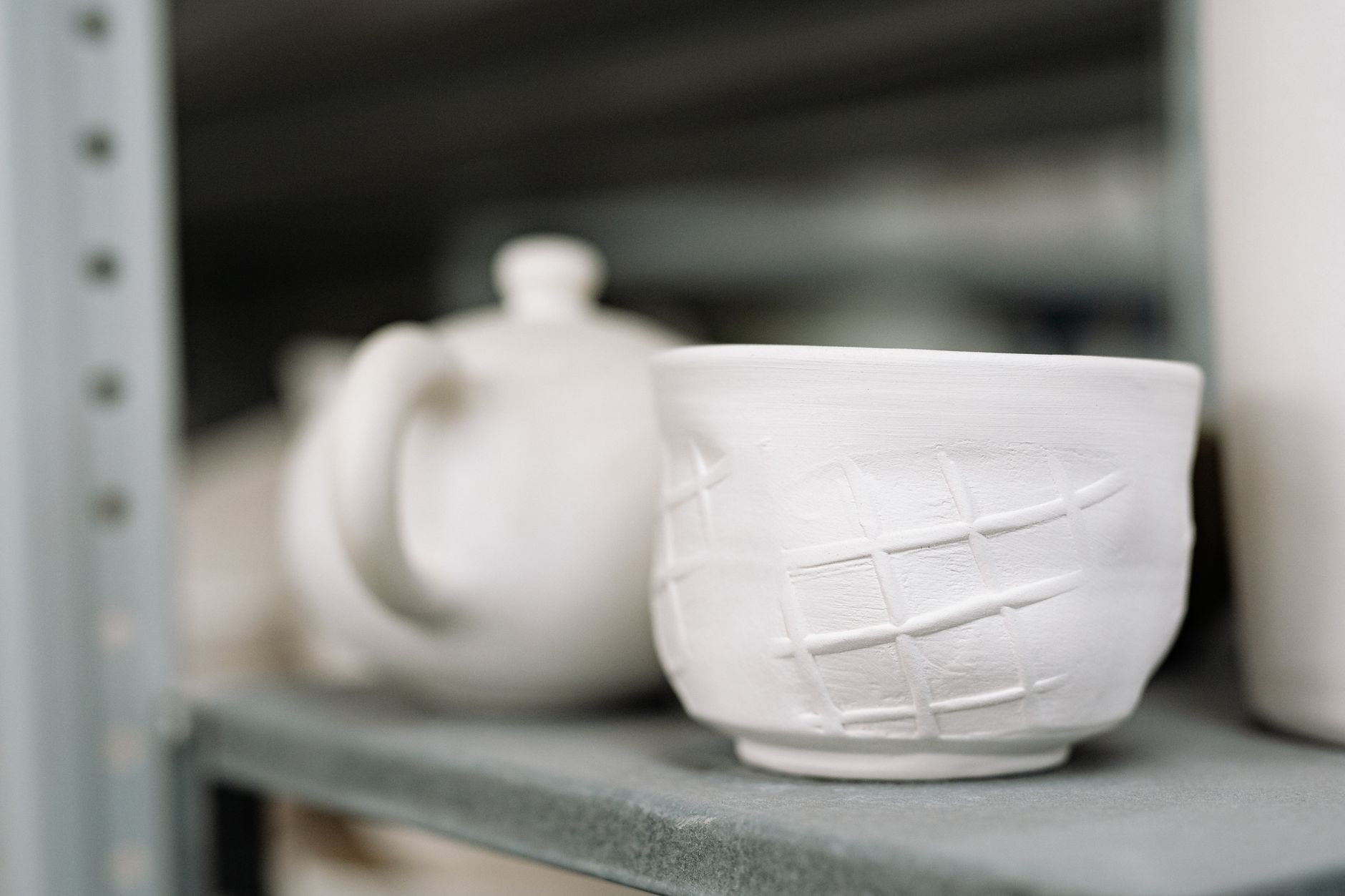
Berlin’s oldest still-operating manufactory stands in the west of the city, on Wegelystraße. The Königliche Porzellan-Manufaktur, or KPM for short, was founded on September 19, 1763, by Frederick the Great. That same year, the king acquired the predecessor manufactory for 225,000 Prussian Reichsthalers-a staggering sum for the time-and made porcelain a state affair.
Since then, every piece has borne the cobalt-blue scepter as its mark, a symbol of handcrafted work for over 250 years. Since 1872, production has been based in today’s KPM Quarter on Wegelystraße. Walking through the workshops, you see how a cup passes through many hands before it earns the right to bear the scepter. That explains the price – and it explains the city: Berlin early on claimed its own standards.
Munich demonstrates the theme in duplicate. On the grounds of Nymphenburg Palace, where it has been located since 1761, the Porzellan Manufaktur Nymphenburg has produced every piece exclusively by hand since 1747-without any automation. The workshops still draw their energy from the palace moat’s water power. This is patient craftsmanship, set against a Baroque backdrop.
A few kilometers away, a different pace unfolds. In a backyard studio on Fraunhoferstraße 31, WERKSTATT:MÜNCHEN, founded by Klaus Lohmeyer in 1996, creates avant-garde jewelry from silver and vegetable-tanned leather-raw, dark, and distinctly unique. The two addresses reveal the same city from two eras: the princely manufactory and the young studio, both uncompromising in their craft.
Vienna keeps tradition alive in the seventh district. Jarosinski & Vaugoin has been producing silver cutlery and tableware by hand since 1847 and is considered Vienna’s oldest silversmith. Now in its sixth generation, the workshop still hammers each piece by hand, stroke by stroke, until the surface achieves its quiet luster.
An address like this tells the story of a city that never fully abandoned its table culture. You don’t enter a glossy showroom-you step into a workshop where the sound of the hammer is older than most of the surrounding buildings. That’s the appeal: Vienna doesn’t serve you the cliché of the waltz; it shows you the craftsmanship behind the good life.
Planning your route is simple. Before you arrive, look up the oldest active craft workshop in a place and a young studio working in the same material. The gap between the two reveals how a city engages with its own tradition-whether it preserves it like a museum piece or reimagines it.
Make time for conversation, because the real insight lies with the people who work there. Many workshops display their pieces in dedicated showrooms with set opening hours, so visits can be scheduled. By the end of such a day, you’ll know a city through what its hands can create. And that lingers longer than a quick glance at its landmarks.
Yes. KPM in Berlin and the Porzellan Manufaktur Nymphenburg in Munich have their own showrooms, while WERKSTATT:MÜNCHEN displays its work in an atelier showroom. Jarosinski & Vaugoin in Vienna welcomes visitors to its silver workshop in the seventh district. A quick call ahead is worth it-especially if you want a peek at the production process.
The atelier showroom at Fraunhoferstraße 31 is open Monday to Friday from 13:00 to 19:00 and Saturdays from 11:00 to 18:00.
The concept works anywhere traditional crafts have survived. Berlin, Munich, and Vienna are a great starting point because each pairs an ancient workshop with vibrant young studios in the same city. From there, you can apply the idea to any place with its own material culture.
So for your next trip, don’t just pack a list of sights. Jot down a workshop and make time for what’s being made there. If you leave the city seeing it differently, you’ve read it more closely.