Col de Turini: The Bend of Legends
Perched at 1,607 metres, this pass immortalised by the Monte Carlo Rally reveals a quieter, summer soul.
Some roads you simply drive. Others you speak like the name of an old friend. The Col de Turini belongs to the second kind. At 1,607 metres in the heart of the Alpes-Maritimes, it links the Vésubie valley with Sospel. To rally fans it is the stage where night becomes theatre. Seen from afar in summer, it is something else entirely: a pass road that carries its legend more softly.
- 1,607-metre summit in the Alpes-Maritimes, between the Vésubie and Bévéra valleys
- Legendary special stage of the Monte Carlo Rally, founded 1911
- Night stage nickname: Nuit des longs couteaux
- West ramp from Lantosque: 15.3 km at an average gradient of 7.2 %
A Pass Between Two Valleys
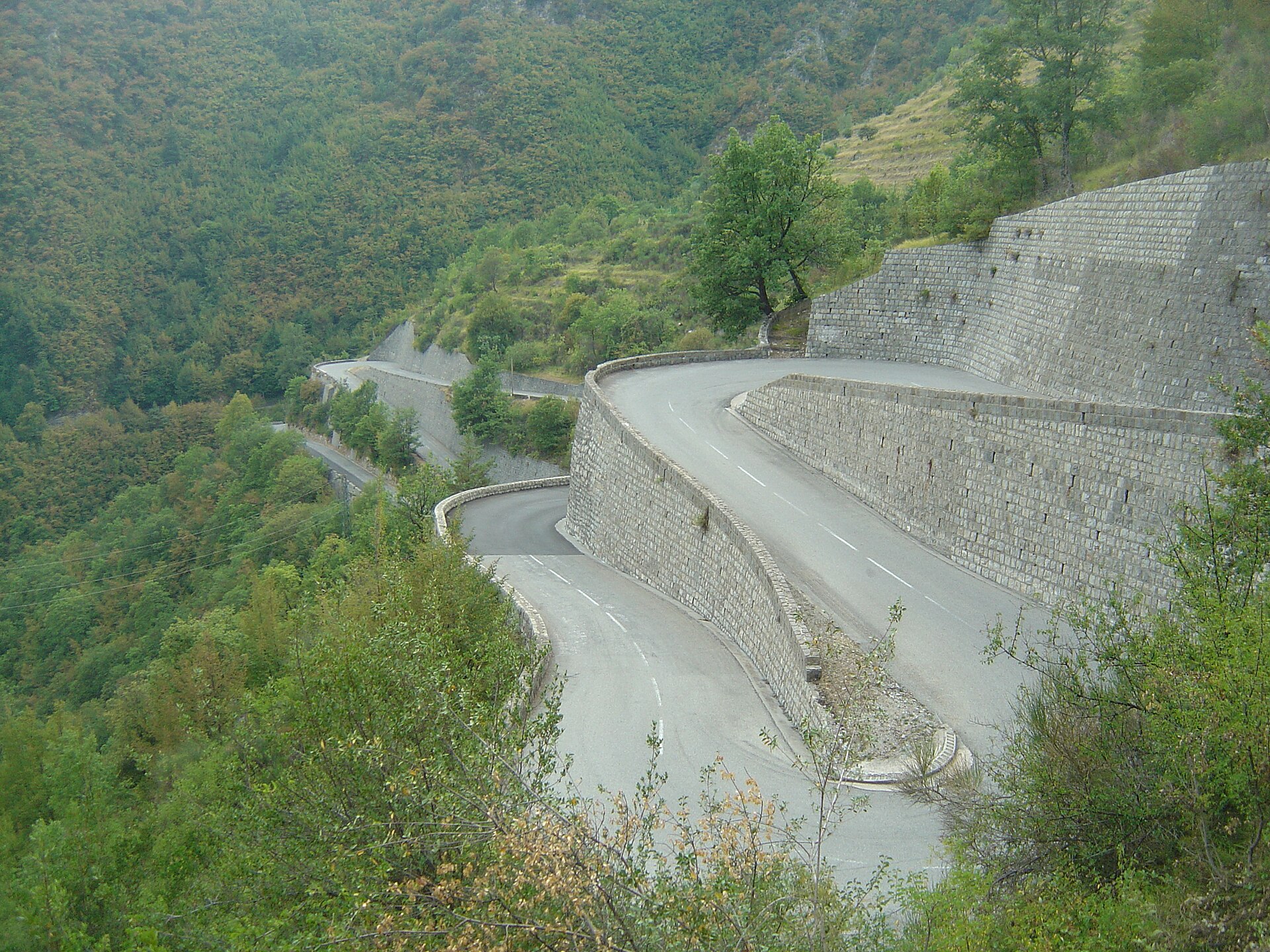
Geographically, the Turini is a thoroughfare, not a dead end. Entirely within the arrondissement of Nice, it forms the main artery between the Vésubie and Bévéra valleys. From La Bollène-Vésubie it climbs and then descends again to Sospel. Tackling it from Lantosque means 15.3 km at an average 7.2 % gradient, peaking at nine. From Sospel the route stretches 24.1 km and 1,237 metres of climbing, gentler on average yet longer in the breath.
Numbers you forget while driving and rediscover in the rear-view mirror. From the bends the tiny village of Moulinet appears, disappears, then reappears lower down. That is how this mountain works: it shows you the same motif from ever-new angles until you stop hunting the destination and begin to savour the motion.
The Night That Made the Name
The Turini earned its fame through the Monte Carlo Rally. Launched in 1911 on the initiative of Prince Albert I, the event saw 23 cars depart from eleven European cities bound for Monaco. This pass soon became the technical heart of the rally. The night-time Turini stage still bears the nickname Nuit des longs couteaux, the night of the long knives, evoking the searchlight beams slicing through darkness while spectators stand at the bends and hear the engines before they see the lights.
That story must be separated from the present. In the most recent world-championship round the section ran as a timed run between La Bollène-Vésubie and Moulinet, each 23.45 km, completed in daylight. The classic night crossing over the Turini now lives chiefly in historic rallies whose final leg once again started just before midnight at the pass. Legend and current calendar are not the same thing; together they forge the myth.
The Turini is no speed mountain. It is a mountain of precision. Respect it and you will summit faster than if you try to conquer it.
Summer Belongs to the Connoisseurs
In July no rally rolls through here. That is precisely the draw. The public pass road then belongs to those who come for the curves, not the stopwatch. The west ramp from Lantosque, with its 7.2 % average, still carries a sporting character you feel even without a race number. The mountain takes you with it, in summer as in winter, yet without the adrenaline of the clock.
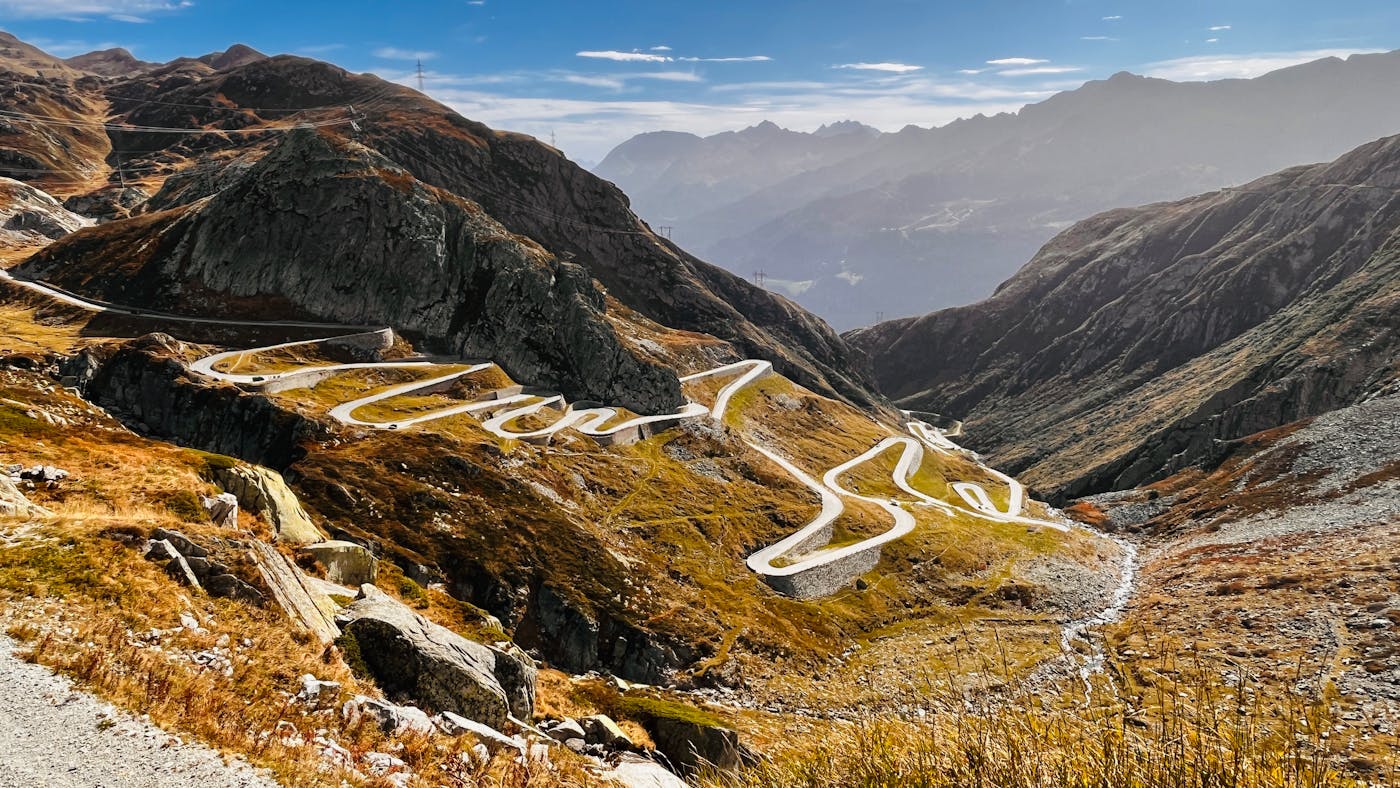
Set off in the evening and you gain a light that softens every hairpin. The south lies within reach, the air grows milder the lower you descend. It is this blend of alpine altitude and Mediterranean proximity that sets the Turini apart from every ordinary pass.
Why the Detour is Always Worth It
The Turini is one of those places where history and the present stick to the same stretch of asphalt. The great names of rally history have raced up here, and the switchbacks still look much as they did back then. Driving up in summer is literally motoring through a memory without getting stuck in nostalgia.

That’s the crux of it. A pass like this needs no event to be special. It only needs a road that truly reads the mountain, plus a car you don’t push to its limit to understand why drivers loved these bends.
The legend stays after dark. The drive belongs to the day.
The Details
▸How high is the Col de Turini?
The pass sits at 1,607 metres in the Alpes-Maritimes, linking the Vésubie valley at La Bollène-Vésubie with Sospel in the Bévéra valley and lies entirely within the arrondissement of Nice.
▸Why is the Turini so famous in the Monte Carlo Rally?
The night-time special stage over the pass is nicknamed Nuit des longs couteaux because of the headlight beams slicing through the darkness. It’s regarded as the technical heart of the rally, founded in 1911.
▸Can you drive the pass in summer?
Yes. The public pass road is open in summer without rally traffic. The western ramp from Lantosque measures 15.3 km with an average 7.2 % gradient; the approach from Sospel spans 24.1 km and 1,237 metres of climbing.