Cloudy in the Glass but Clear in Intent
What was once dismissed as a niche taste is now confidently curated by top sommeliers alongside the great classics. A look at the houses leading the charge.

 //TASTE
What was once dismissed as a niche taste is now confidently curated by top sommeliers alongside the great classics. A look at the houses leading the charge.
A few years ago, natural wine in fine dining was a fringe topic, something for initiates and daring sommeliers. Today it sits on the most ambitious lists in the German-speaking world – not as a curiosity, but as a serious pairing.
For a long time, natural wine operated under scrutiny. It appeared at the bottom of the list, small print, with an apologetic tone. Ordering it meant first an explanation, then the wine. That order has flipped.
In the most ambitious houses across the German-speaking world, natural wine is now a matter-of-fact part of the selection. Sommeliers no longer relegate it to a corner but place it directly beside established producers. This shift redefines what counts as a serious pairing for a fine meal.
It’s more than a trend in the glass. It’s a statement about what a wine list should deliver: not just safe choices, but a point of view. That’s where it gets interesting, because the decision reveals the house’s ambition.
Natural wine is made with minimal intervention: spontaneous fermentation, few or no additives, often unfiltered. The result looks unlike a polished classic: cloudy, sometimes with a faint musty note, alive in the glass. What would be a flaw in conventional wine is here part of the concept.
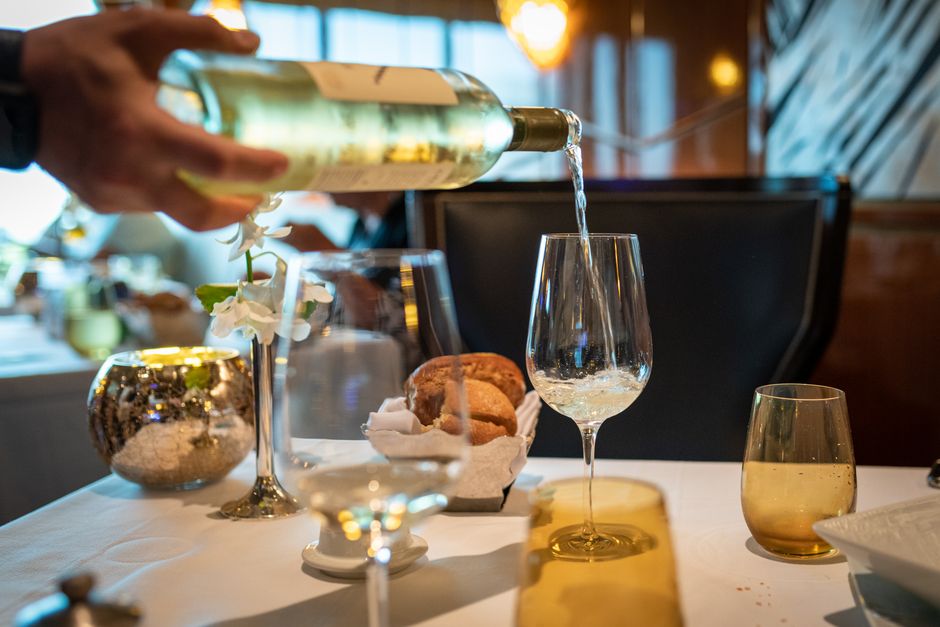
The first sip often surprises. Natural wine can taste wild, angular, almost saline at times, then suddenly precise. It demands attention and gives it back. That friction is why good sommeliers love it-and why it polarises.
Key is the distinction between lively and faulty. A good natural wine is unvarnished but not flawed. The art of curation is selecting bottles that are exciting without tipping into the unsound. That’s what separates a serious list from one chasing fashion.
A good sommelier doesn’t place natural wine next to Grand Cru out of fashion, but because both have something to say.
The MAST Weinbistro in Vienna has become one of Austria’s leading addresses for natural wine. Over 1,500 wines on a 24-page menu, with a focus on natural and biodynamic producers, plus a Michelin Green Star and a BIB Gourmand. Gault&Millau named the wine list “Wine List of the Year,” and at the 2025 Falstaff Red Wine Guide Awards, Matthias Pitra and Steve Breitzke took home the prize for Best Natural Wine List.
In Berlin, Nobelhart & Schmutzig takes a different, equally resolute path. Among roughly 900 beverage options, natural wines from the Jura or organic Lambrusco sit beside the unexpected. Sommelier Billy Wagner curates the list deliberately challenging and local, as a tool to confront rather than comfort guests.
The movement has also reached the Alpine region. At Hotel Alpenstern in St. Johann in Tirol, sommelier Maximilian Steinfeld oversees around 2,000 listings where classics, rarities, and unadulterated wines stand side by side. And at Ösch Noir, Michael Häni manages one of the most ambitious wine lists in the German-speaking world, pairing natural wines with great growths in his own thoughtful way.
Listing natural wine is no easy route for a top-tier house. The wines are less predictable, harder to explain, and not every guest finds them immediately approachable. Yet more sommeliers keep choosing this path – and they have their reasons.
A wine list is also an educational offering. Placing natural wine beside Grand Cru invites guests to compare, question, and rediscover taste. It’s more demanding than a safety-first list, but it fits a house that leaves nothing to chance.
There’s also the bond with small producers. Natural wine almost always means handwork, short supply chains, and limited quantities. For a kitchen that prizes provenance, it’s the logical extension of its own standards into the glass.
The first clue is effortless integration. On a strong list, natural wine doesn’t occupy a separate, exotic block; it sits where it belongs, equal beside established names.
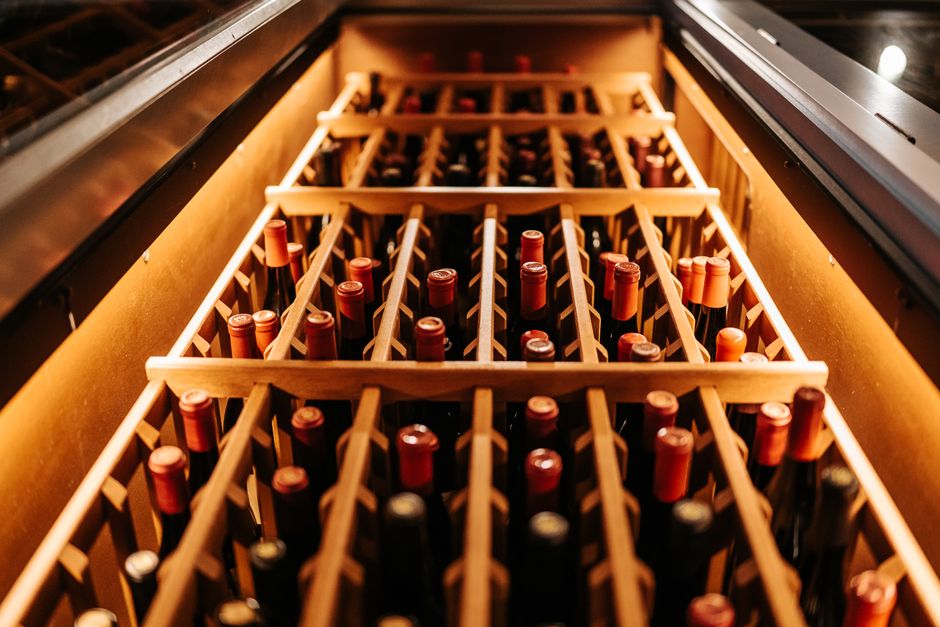
The second clue is the sommelier’s narrative. If someone can justify a natural wine in two sentences-explaining why it matches your dish-they didn’t add it for fashion. Weak lists show many odd labels without any guiding principle.
Finally, trust your own experience. A well-crafted natural wine list surprises without showing off. You leave with a flavour you didn’t know existed and the feeling that you’ve learned something new.
Natural wine is made with minimal intervention: spontaneous fermentation, little or no additives, and often unfiltered. As a result, it frequently appears cloudy and more vibrant than conventionally produced wine.
Not necessarily. The spectrum ranges from quiet and precise to edgy and unfamiliar. What matters is the curation. A good natural wine is unfiltered but not flawed.
Look for natural wines integrated on equal footing with classics, and a sommelier who can justify every recommendation. Many exotic labels without curation are usually a red flag.
In the end, it’s not natural wine versus classics; it’s the joy of listening to both. Once you’ve experienced how a lively wine can elevate a dish, the next glass is no longer a habit-it’s a discovery.


