Can this be healthy? What doctors say about the vegan trend
In 2017 we asked whether the vegan trend was really healthy and what doctors had to say. Eight years later, the answer is clearer-and surprisingly nuanced.
In 2017 we asked at this very spot whether the vegan trend was really healthy and what doctors had to say. What has changed since then? In short: science has grown up. A well-planned plant-based diet is now considered health-promoting for healthy adults-with one clear condition. Yet when it comes to children and pregnant women, specialist societies today answer more cautiously than the hype suggested back then.
- Between 1.5 and 1.7 million people in Germany followed a vegan diet in 2024-significantly more than in 2017, but no explosive boom.
- A wholesome plant-based diet demonstrably lowers the risk of heart disease, diabetes, obesity, and high blood pressure.
- Vitamin B12 must be supplemented; this is now uncontested. Iron, zinc, iodine, omega-3, and vitamin D also require attention.
- In 2024 the German Nutrition Society relaxed its stance: green light for healthy adults under conditions, no clear recommendation for children or pregnant women.
- Vegan does not automatically mean healthy. Fries, white bread, and soft drinks are vegan too.
What we wrote in 2017: No meat, no fish, no eggs, no milk, not even honey. Living vegan was trendy, and more and more people voluntarily gave up all animal products. Back then Germany counted around 900,000 vegans. As early as 2017, epidemiological studies-such as those in the Current Atherosclerosis Reports from 2008 and 2014-suggested that a balanced plant-based diet could reduce the risk of heart disease, obesity, diabetes, and high blood pressure. At the same time, doctors warned of nutrient gaps and advised pregnant women, nursing mothers, and children against it. Whether that still holds true today is worth a second look-one we also explore in our follow-up piece Veganism: Trend or the future of nutrition?
What’s Really Healthy About Plant-Based Eating
The core finding from back then hasn’t just held up-it’s grown stronger. Later meta-analyses and a major umbrella review confirm: those who eat a whole-food, plant-based diet have a statistically lower risk of cardiovascular disease, type 2 diabetes, and hypertension. The caveat from 2017 still applies: these are observational studies. Vegans often live healthier in other ways too-exercising more, smoking less. The correlation is robust, but pure causation is harder to prove. Cardiologist Dr. Kim Allan Williams of Rush University Medical Center in Chicago put it succinctly at the time: the key is educating people on the right plant-based food choices, not abstinence alone.
Vitamin B12 and the Other Critical Nutrients
This is where the most has changed. One point is now beyond dispute: anyone living vegan must supplement vitamin B12. The German Nutrition Society (DGE), the Federal Institute for Risk Assessment, and international professional bodies all agree. Unlike in 2017, fortified foods alone are no longer considered reliable enough-the supplement is mandatory. The list of critical nutrients has also grown longer and more precise: iron and zinc are less bioavailable from plants, and iodine, omega-3 fatty acids, vitamin D, calcium, and selenium now join the ranks. Nutrition scientist Markus Keller, who took the world’s first professorship in vegan nutrition in 2018, stressed early on how crucial these nutrients are. Protein, by contrast, has become less of an issue: combining pulses, grains, and soy products usually covers requirements, as our feature on the best protein pasta alternatives shows.
Anyone eating a vegan diet must supplement vitamin B12. Today there is no serious doubt about that.
What Has Changed Since 2017
Let’s start with the numbers: from roughly 900,000 vegans in 2017 to about 1.5-1.7 million by 2024. Clear growth, yet far from the doubling forecasts of the hype years. More telling is the shift among professional bodies. Germany’s DGE, which once advised strongly against vegan diets, softened its stance in 2024: for healthy adults, a vegan diet can now be health-promoting provided B12 is supplemented and food choices are balanced. For children, pregnant or breastfeeding women, and seniors, however, the DGE deliberately neither recommends nor discourages vegan diets because of insufficient data. Across the Atlantic, the plot thickened: the Academy of Nutrition and Dietetics, which had deemed vegan diets suitable for all life stages since 2003, retracted its position paper in 2025 and limited its endorsement to non-pregnant adults. Germany’s cautious line and America’s former liberal stance are converging, just from opposite directions.
Vegan Doesn’t Automatically Mean Healthy
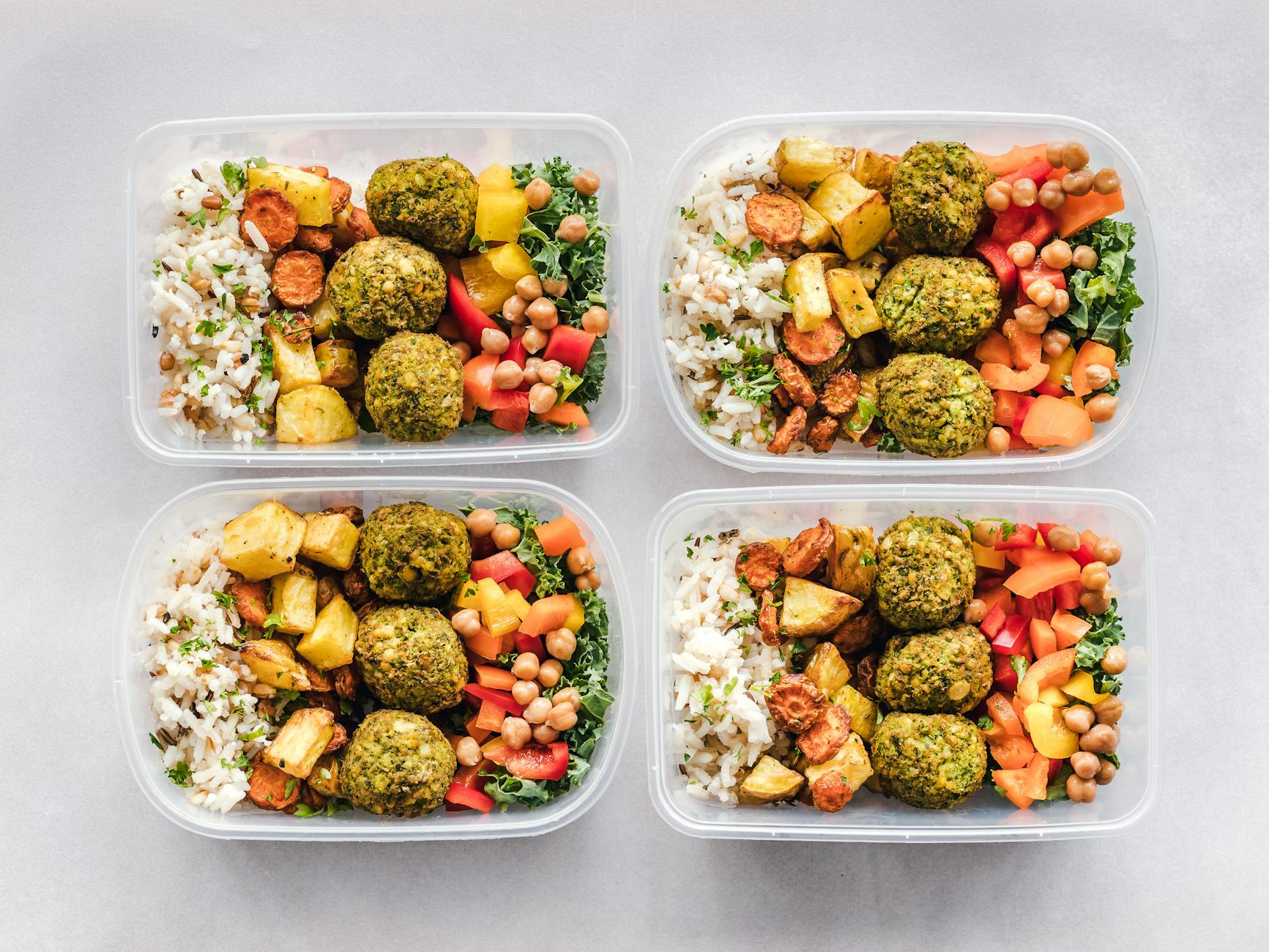
The most important sentence from 2017 matters even more today: simply cutting out animal products does not make a diet healthy. Someone living on fries, white bread, and sugary soft drinks is vegan but anything but healthy. A truly wholesome plant-based diet centers on vegetables, fruit, and water, rounded out with whole grains like oats, dark bread, brown rice, and millet, plus pulses, nuts, and seeds, modest amounts of high-quality fats such as olive or hemp oil, and solid soy products like tofu or tempeh. You don’t have to overhaul everything overnight. Even a few consciously plant-based days each week pay dividends for your health-and with today’s vast recipe universe, it’s easier than ever.
Good to Know
▸Is a vegan diet healthy?
A well-planned, whole-food plant-based diet is considered health-promoting for healthy adults and can reduce cardiovascular risks. The key is B12 supplementation and a balanced food selection.
▸Which vitamin do vegans need to supplement?
Vitamin B12, always and without exception. This is the clearest consensus in the entire topic. It’s also wise to keep an eye on iron, zinc, iodine, omega-3, and vitamin D.
▸Is a vegan diet suitable for children and pregnant women?
Experts are cautious here. In 2024, the German Nutrition Society (DGE) did not issue a clear endorsement for these groups, and the US Academy of Nutrition and Dietetics even revoked its earlier approval in 2025. If you still choose to follow a vegan diet, close medical supervision is essential.
▸How many people in Germany live vegan?
In 2024, an estimated 1.5 to 1.7 million people, up from around 900,000 in 2017. Steady, but moderate growth.
For the best way to eat plant-based around your training, our sister publication InspiredBySports has put together a guide: Post-Workout Meals: The Right Nutrition After Exercise.