Body as Studio: Coachbuilding Makes a Comeback
Limited editions, hand-formed panels, names like Zagato and Pininfarina. Why coachbuilding is no longer a footnote, it’s making a statement.
Once dismissed as a relic of the past, a craft reserved for museums and concours lawns, coachbuilding is back in the spotlight. Zagato, Pininfarina and Touring Superleggera are once again crafting one-off models that no mass-market OEM could ever deliver. Not as retro pastiche, but as living workshops where the scent of varnish still lingers. The body has become an atelier again.
- Pininfarina launched its UNICUM one-off programme with designer Walter De Silva
- Zagato’s capricorn 01 debuted on Lake Como in the Tutto Rosso specification
- Zagato’s AGTZ Twin Tail switches between two silhouettes via a removable rear section
- Touring Superleggera’s Veloce12 family centres on a 5.5-litre V12 with 503 PS
A Programme for the Irreproducible
Pininfarina offers the clearest proof. Together with designer Walter De Silva, the house launched the UNICUM programme: customers commission exclusive one-off vehicles, the De Silva Automotive Studio designs them, and Pininfarina crafts each car once in Italian workshops. This isn’t a limited run with a different paint code. It’s a car that exists exactly once.
The difference sounds like marketing, yet it’s a tangible craft distinction. When you build a single unit, you can’t amortise errors across a production batch. Every seam, every edge, every proportion must be perfect from the first cut. That’s what separates a manufactory from a factory: not the price tag, but the impossibility of ever making it the same way again.
Red to the Last Corner
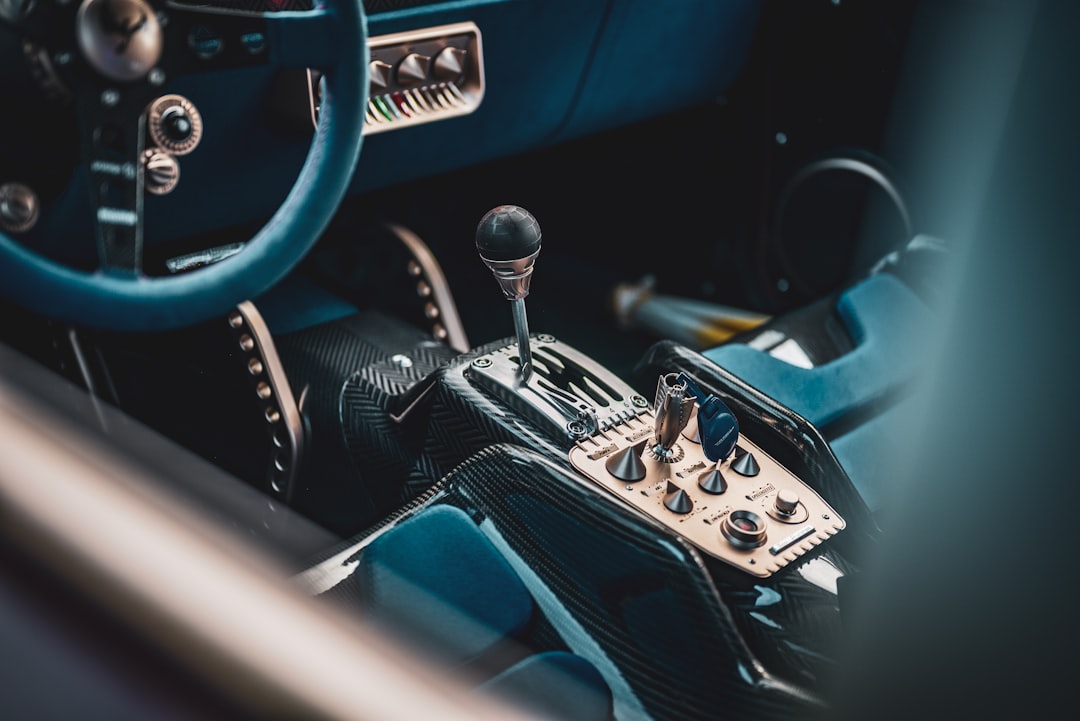
On Lake Como, Zagato showed what’s possible today. The capricorn 01 Zagato celebrated its Italian debut in the Tutto Rosso specification, where, according to the maker, roughly 95 % of all visible surfaces are rendered in Rosso. Only the shift gate and pedals remain in contrasting hues, a detail that nods to 1930s Italian racers without copying them.
Technically, it’s no showpiece. The capricorn 01 is a hand-built mid-engine hypercar with a manual gearbox, a 5.2-litre supercharged V8 pushing over 900 PS, a carbon monocoque from prototype race-car architecture and a curb weight below 1,200 kg. Nineteen coupés will be built. That’s not a series. It’s a numbered edition.
A manufactory differs from a factory not by its price, but by the impossibility of ever building the same car twice.
A Rear Section You Can Remove
Zagato pushes the envelope further with the AGTZ Twin Tail. The car merges two silhouettes into one: by removing the rear section, it toggles between short-tail and long-tail forms. The long-tail appendage can remain in the garage as a standalone sculpture while the car is driven in short-tail mode. No software update, no drive-mode menu, just a physical mode switch you handle yourself.
The V12 as Creed
Touring Superleggera flies the flag for naturally aspirated power. The Veloce12 family is built around a 5.5-litre V12 with 503 PS and 760 Nm, mated to a six-speed manual. The Aperta variant adds a retractable roof and an estimated top speed of 290 km/h. Carbon bodywork, Brembo brakes and a bespoke chassis with adaptive damping complete the picture. Every example is built to customer specification.
Touring describes its current business simply as low-volume bespoke motorcars, staying true to the Superleggera tradition. That’s the most honest description of what’s happening here: it’s not about volume, it’s about the right to own a car exactly as you want it, with a hand shifter and an engine that breathes instead of boosts.
Why the niche no longer exists
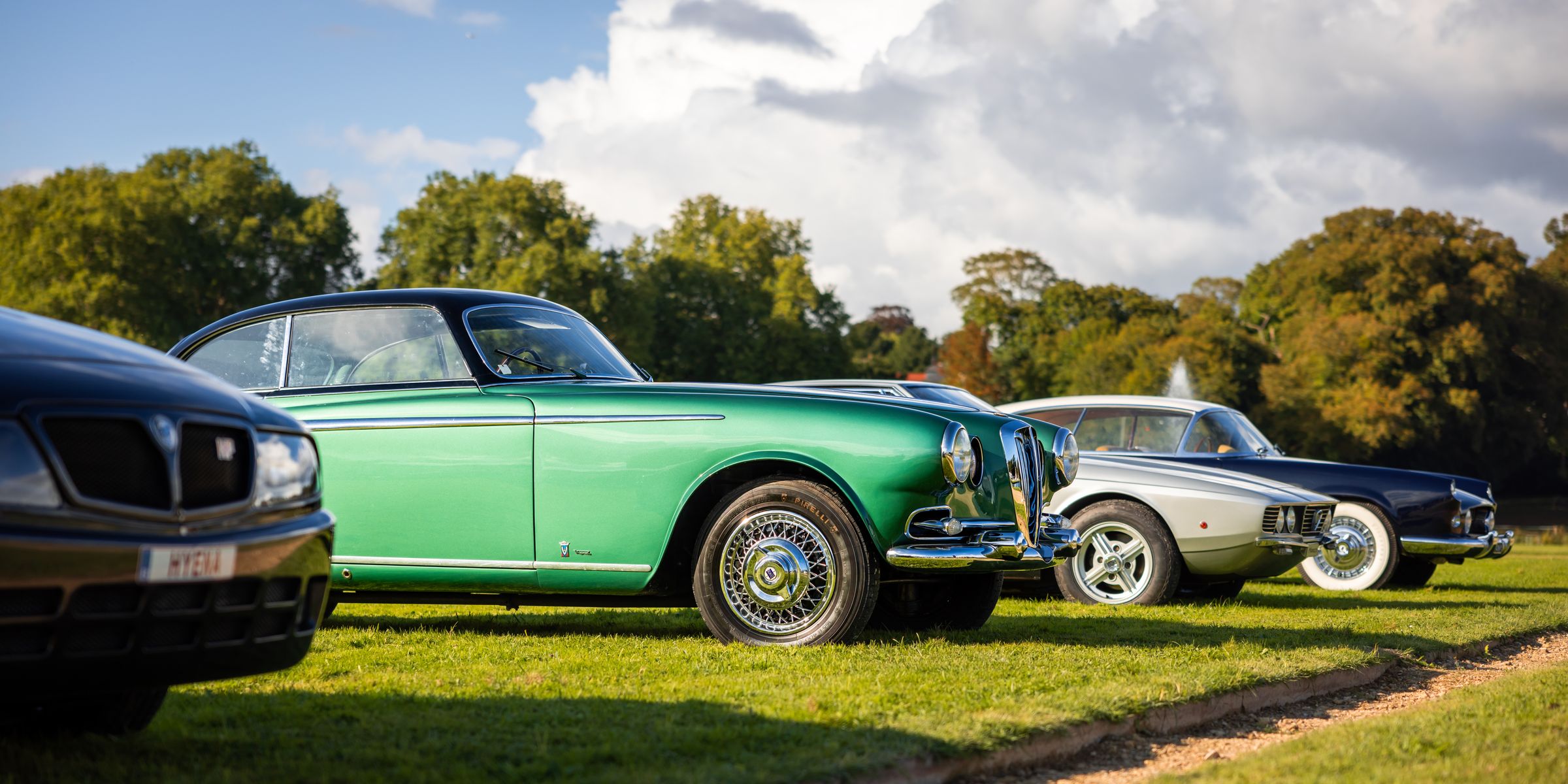
This spring, proof stood side by side on the shores of Lake Como. A Ferrari 250 GTZ took its class, while Zagato showcased classics like the 1959 Lancia Flaminia Sport Zagato. The new one-offs stood beside them as if no gap had ever existed. That’s the point. Coachbuilding is not the restoration of the past; it’s a living discipline that extracts new precision from old forms.
Today, commissioning a one-off isn’t about buying a status symbol in the usual sense. It’s about securing the certainty that a team of craftspeople spent weeks shaping a single body that will never be replicated.
It costs more than any production run. It’s also the opposite of arbitrary.
The Details
▸What exactly is coachbuilding?
Coachbuilding refers to the handcrafted production of a vehicle body by a specialist manufacturer, often as a one-off or in strictly limited numbers. Houses such as Zagato, Pininfarina and Touring Superleggera embody this tradition, which is now being actively revived.
▸What makes the AGTZ Twin Tail special?
The Zagato-built AGTZ Twin Tail merges two silhouettes. A removable tail section lets the car switch between a short and a long version; the long tail can remain in the garage as an independent sculpture.
▸Which engine powers the Touring Superleggera Veloce12?
The Veloce12 is built around a 5.5-litre naturally aspirated V12 producing 503 hp and 760 Nm, paired with a six-speed manual. The Aperta variant adds a retractable roof and carbon body, each crafted to customer specifications.