Guide · Fit
A good Chelsea boot fits snugly at the heel and instep
Trying on Chelsea boots: how to assess the last, heel, instep and elastic panel for a good fit and judge heel slip.

 Wardrobe
Trying on Chelsea boots: how to assess the last, heel, instep and elastic panel for a good fit and judge heel slip.
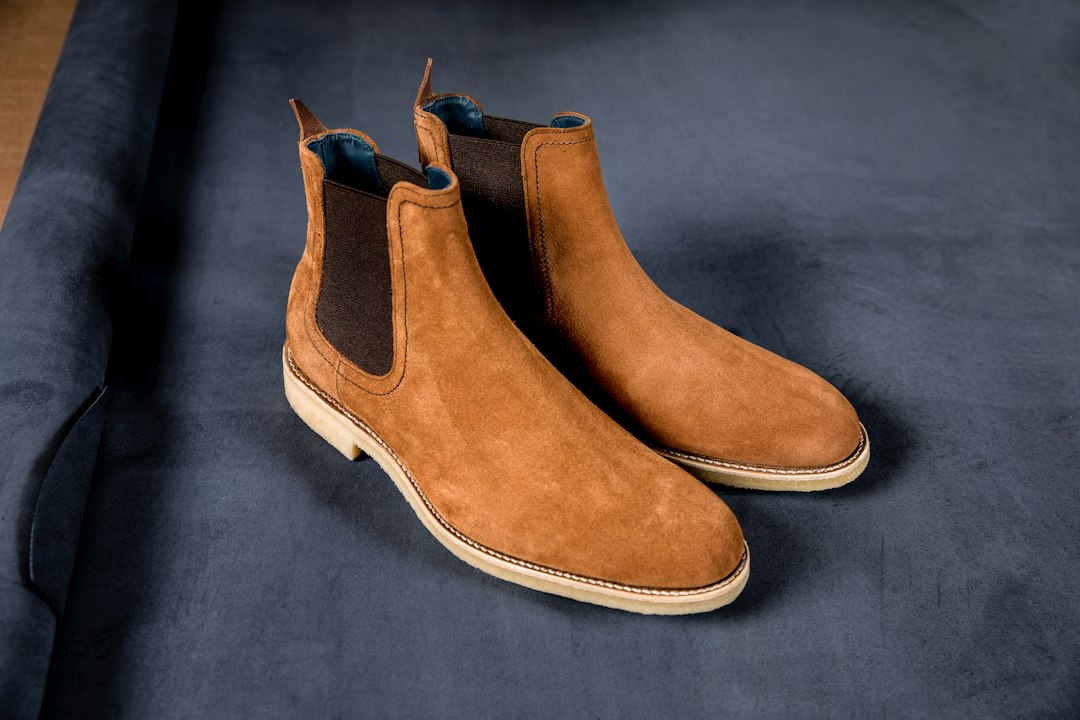
A Chelsea boot has no laces to adjust its fit and width. That makes fit the central question when you buy one: the boot needs to be right from the start. When you try it on, a good fit comes down to a few key points: the last, the heel, the instep and the elastic panel.
The last is the main factor determining how much room your foot has. Whether the boot stays on your foot depends on the ankle, the instep and the elastic panel. The best way to judge the tension of the elastic and the space around your toes is under realistic conditions. Construction also plays a role, determining whether you can wear a well-fitting boot for a long time and have it repaired.
According to Wikipedia , Chelsea boots are close-fitting, ankle-high boots with elastic side panels and a low heel; a tab or loop at the back often helps you pull them on. Without laces, the fit depends entirely on the boot’s underlying shape and the tension of the elastic. If either is wrong, you will feel the shortcoming every day. That makes trying them on more important than it is with a lace-up shoe.
This design has a long history. It is attributed to Joseph Sparkes Hall, shoemaker to Queen Victoria; he marketed the boots as Patent Elastic Ankle Boots. The elastic panel became possible only with Charles Goodyear’s vulcanised rubber. The boots acquired their present name in the 1950s and 1960s through the scene around the King’s Road in London. To this day, the elastic design sets the boot apart from a classic lace-up shoe.
According to Humes Outfitters , the elastic panel sits above the ankle bone and connects the vamp to the side panels, making the boots easy to put on and take off. Poor-quality elastic stretches after a short period of wear, leaving the boot loose around the ankle. The secure fit at the ankle keeps the boot on your foot, so the panel sits precisely where the fit is decided.
For you, this construction means that the underlying shape and the tension of the elastic work together to provide the fit. Examine both closely when you try the boots on, because there is little room for adjustment after purchase. You can notice both qualities at the first fitting, but their effects become clear only in everyday wear.
The Abendzeitung München explains why shoe size alone tells you little about fit. The shape of the last determines how much room a shoe offers around the toes, midfoot and instep. Every manufacturer uses its own shoe shapes, so the same foot will find different amounts of room in different models. Shoes are mass-produced, while every foot has its own shape. According to the report, many fit problems occur around the ball of the foot and the toes, and fewer at the heel. Because the shape is hidden inside the shoe, you feel its effect only when you try it on.
According to Humes Outfitters, sizing depends entirely on the brand and model. The number on the box is therefore only a starting point when you try boots on. Since every maker uses its own lasts, your usual size may fit in one model but be too tight or too wide in another. It is worth trying on two sizes of the same model, one after the other.
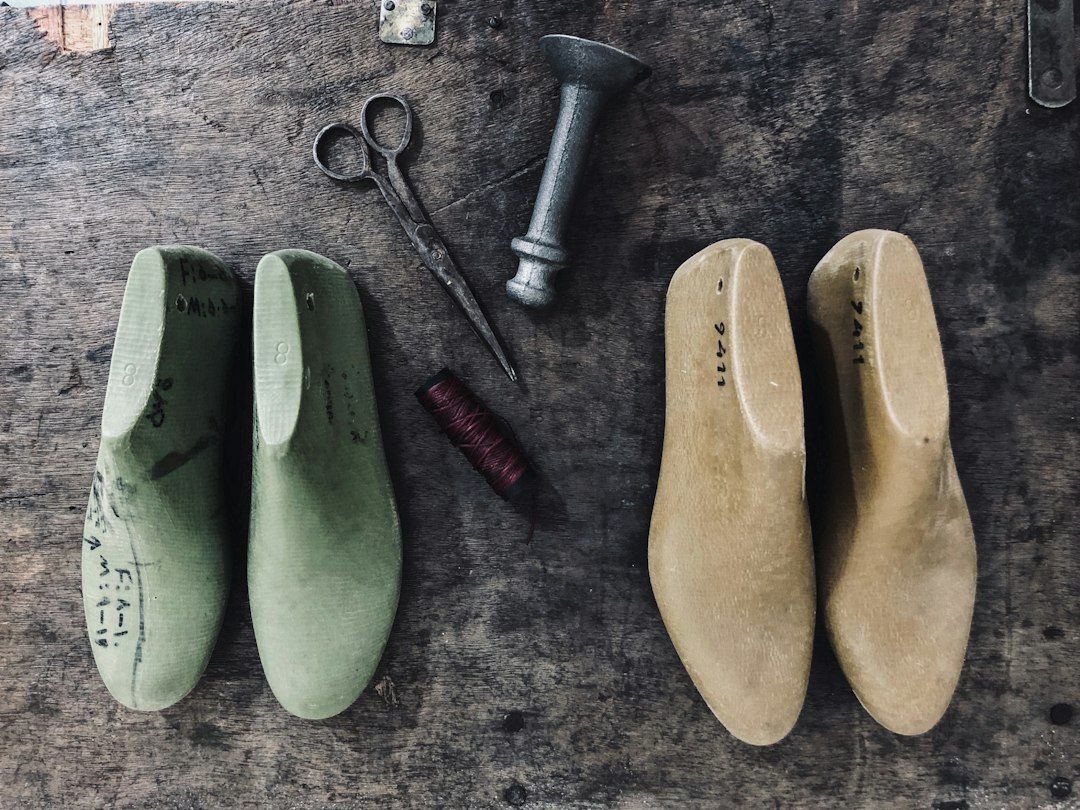
When choosing a boot, pay particular attention first to the ball of your foot and your toes, since this is where many fit problems occur. Because feet are individually shaped, one last may fit snugly around the ball of your foot while another model pinches in the same place. A model that fits at the ball may still have room to spare at the instep, since lasts vary along their entire length.
The shape of the last determines how much room a shoe offers around the toes, midfoot and instep.
According to Jones Bootmaker , Chelsea boots should fit snugly at the ankle and instep and hold the ankle securely without pinching. Your heel should not slip upwards as you walk. At the front, your toes need room to move. With a lace-up shoe, you adjust the tightness at the instep using the laces; with a Chelsea boot, the underlying shape and elastic do the job.
According to Jones Bootmaker, the elastic side panels stretch slightly over time, so a slightly snugger fit is ideal when you buy them. Your foot should slide in easily and stay in place inside. If the boot is too loose, it feels unstable. If it is too tight, it becomes uncomfortable over longer periods of wear.
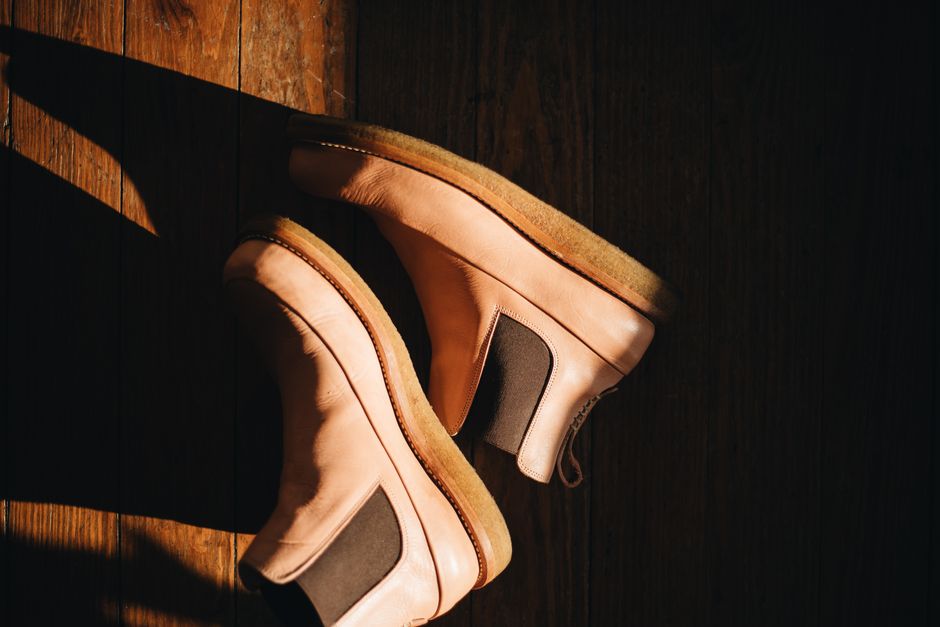
Two observations about the elastic sit close together: according to Jones Bootmaker, a slight stretch in the elastic sides over time is normal. Humes Outfitters, by contrast, says that marked stretching after a short period of wear is a sign of poor-quality elastic, leaving the boot loose around the ankle. Gradual stretching is part of the design; rapid stretching points to a poor-quality panel.
According to Humes Outfitters, a little heel slip is acceptable and usually stops once the boots are broken in. Your toes should have enough room when your feet are warm. The two retailers differ here: Jones Bootmaker says the heel should not slip upwards when you walk, while Humes Outfitters considers slight slip normal. Both offer guidance; judge how much your heel slips in your particular boot and whether it subsides.
An analysis by Schuhcenter.de cited by the Abendzeitung München recommends trying shoes on while standing, in the afternoon or evening. According to the report, realistic conditions also include wearing the socks you will later wear with the shoes. Trying them on in the afternoon or evening fits with the advice from Humes Outfitters that your toes need room when your feet are warm. When you stand, your body weight rests on your feet, so the width and length feel different from when you are sitting. Ultimately, a secure fit at the ankle remains decisive, because it keeps the boot on your foot.
Construction contributes to fit in a different way: it determines how long you can wear a well-fitting boot. According to Humes Outfitters, it is worth checking whether the outsole is Goodyear welted, because the boot can then be resoled. You choose the fit once; the construction extends the time you can enjoy it.
In Goodyear welted construction, the leather upper, lining and welt are joined so that the sole can be replaced without disturbing the upper. The article on the Goodyear welted shoe describes how this construction works in detail and the role it plays over the years.
When choosing a boot, start with the last: it determines the space around the ball of your foot, your toes and your instep, where many fit problems occur. Then, standing in your usual socks in the afternoon or evening, check that the boot fits snugly around your ankle and instep, that your toes have room to move and that your foot slides in without effort. The two retailers’ views give you a guide to heel slip: slight movement can be part of breaking in a boot, while a heel that slips noticeably upwards suggests too much room. Firm elastic secures the fit at your ankle and keeps the boot on your foot. A Goodyear welted sole rounds off your choice, allowing repairs so that a well-fitting boot remains wearable for a long time.
Without laces, there is little scope to adjust the width and support afterwards. The secure fit at the ankle keeps the boot on your foot, so it needs to fit properly from the start.
According to Jones Bootmaker, your heel should not slip upwards when you walk. Humes Outfitters says a little heel slip is acceptable and usually stops once the boots are broken in.
An analysis cited by the Abendzeitung München recommends trying them on while standing, in the afternoon or evening. For realistic conditions, wear the socks you will later wear with the boots.
Fabrics with character, understated cuts and a feel that lasts. Stay in //Style.