Analysis · Secondary market
Luxury handbags: Provenance shapes value
Why documented provenance, condition and hardware support the price of a second-hand luxury handbag and which records to check before buying.

 Wardrobe
Why documented provenance, condition and hardware support the price of a second-hand luxury handbag and which records to check before buying.
On the secondary market for designer handbags, documented origin often has more influence on price than the model year. Reputable dealers and auction houses treat documentation, condition and consistent hardware as pillars of valuation. When you buy a second-hand luxury handbag, you are also buying the history that can be documented.
Authenticity answers whether a piece is genuine. Provenance explains where it came from and how fully its ownership and sales can be traced. The two are connected, yet distinct. A genuine piece without a traceable history is often harder to sell and priced more cautiously.
A handbag’s provenance includes records of its original purchase, resale, servicing and storage. Auction houses and established resale platforms treat this trail as part of the item. Gaps increase the risk of counterfeits, grey imports and unclear ownership. The buyer then faces an information disadvantage that the market usually prices in.
For you as a buyer, provenance acts as a quality filter. It supports an independent authenticity assessment and makes price comparisons more reliable.
Strong provenance starts with original purchase records. These include an invoice from an authorised dealer, a warranty card and, where available, a service history. For physical authentication, Vestiaire Collective considers a brand invoice, proof of purchase or receipt the most reliable evidence of authenticity. Other documents, such as external authentication certificates or records of alterations by the brand, can support the assessment. According to the platform’s FAQ, these do not replace proof from the brand. Fashionphile requires proof of purchase from new sellers offering recently purchased goods and checks ownership history during authentication.
Auction catalogues and lot descriptions list provenance, previous owners and condition grades. Sotheby’s prepares condition reports before each handbag auction, with specialists documenting condition in detail. In its catalogue practice, provenance forms part of authentication: it reconstructs the ownership chain as far as possible. Christie’s assigns handbag lots one of six numerical condition grades. Under its grading system, Grade 1 means no signs of use, with original packaging and protective film usually still intact. Grade 6 denotes damage and a need for repair. Missing provenance leaves authenticity status unchanged but weakens the case for the price.
Other supporting items include the original dust bag, box, care cards and, where typical of the brand, authenticity cards or serial records. Insurer Chubb expressly identifies original packaging, authenticity card, invoice, dust bag and box as aids to checking the authenticity of pre-owned luxury handbags. Accessories alone prove little because they can be counterfeited or added later. Together with an invoice and consistent hardware, they strengthen the evidence. Fashionphile lists accompanying accessories in its “Comes With” field and keeps the original box and dust bag for the next owner when available.
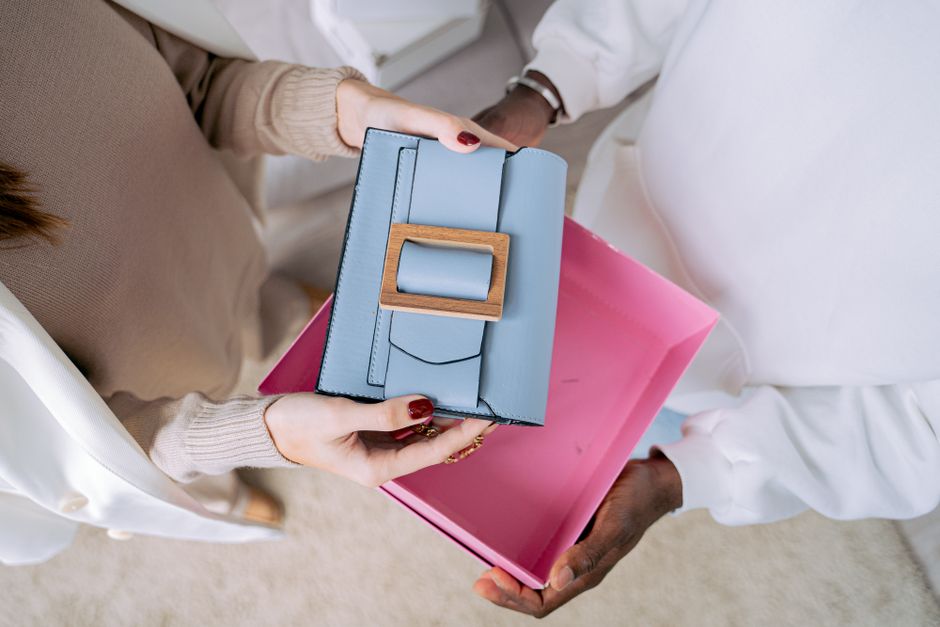
Digital certificates and platform authentication supplement the physical paper trail. Fashionphile provides a digital Certificate of Authenticity for every item sold, accessible by QR code and carrying a unique ID. The RealReal says it physically checks every piece and bases pricing partly on condition, from “Pristine” to “As Is”. Entrupy issues a digitally stored certificate for authenticated items that can be verified through its servers. Check whether the evidence refers to the individual item and whether the assessor publishes transparent standards.
Without reliable provenance, any price is a gamble.
Photo quality alone says little about an item’s quality. Blurred close-ups of logos, stitching, zips and stamps make assessment harder and are a warning sign. Reputable listings show interior stamps, hardware engravings, edges, corners and the base clearly. The RealReal recommends high-quality images from several angles for authentication, including logos, clasps, hardware and, where available, proof of purchase and serial number.
Serial numbers and date codes should match the stated production period and model line. Under its authentication guidelines, Fashionphile checks craftsmanship, stamps, stitching, engravings, hardware, date codes, materials and serial numbers where relevant to the brand. Vestiaire Collective lists typography, serial number and engravings among its physical checks. Inconsistent lettering, unusual placement or codes associated with known counterfeits warrant questions or walking away.
Hardware can reveal more than the fabric. Colour, perceived weight, logo definition and wear patterns should be consistent. The RealReal describes checks of zips and metal parts and uses X-ray fluorescence devices (XRF) to analyse metal alloys in hardware. Fresh gold tones beside heavily worn edges look inconsistent. Heavy wear on the body alongside flawless, apparently unused hardware is equally questionable.
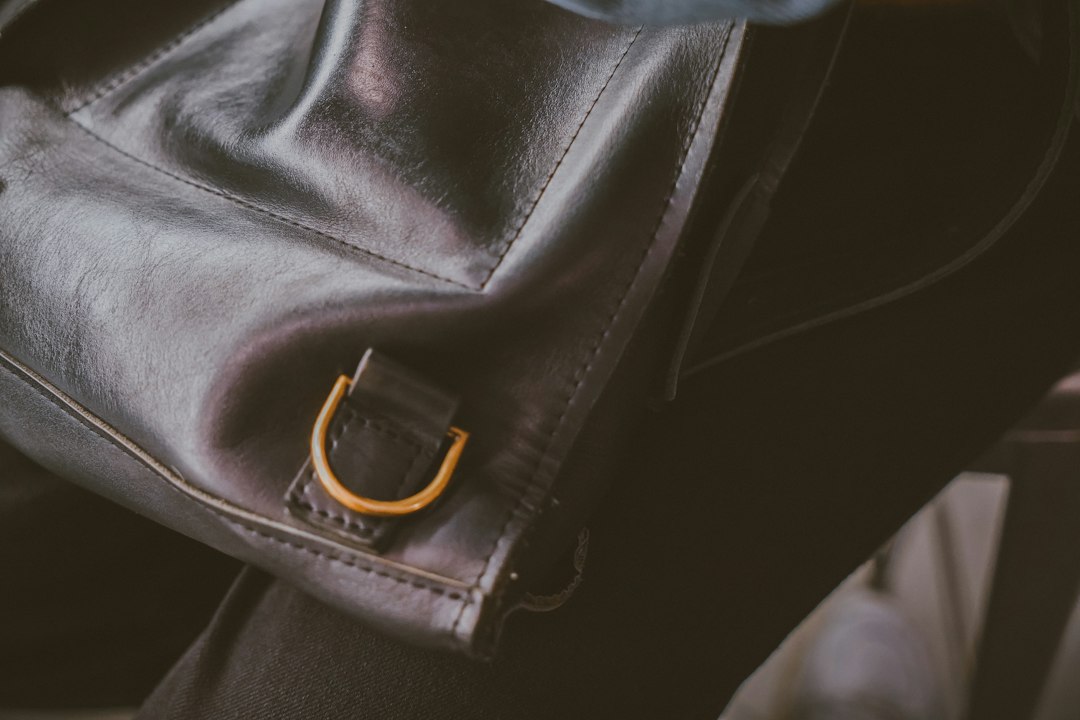
Materials and stitching belong in the same inspection. According to its authentication journal, Vestiaire Collective checks origin, alterations and interventions and inspects materials, surfaces, typography and stitching. Uneven stitching, mismatched lining and solvent smells can indicate alterations or counterfeits. One irregularity rarely settles the question. Several together are grounds to reconsider the purchase.
Restoration reduces value when original material is replaced or its style altered. Refinished hardware, replacement handles, recoloured leather and repairs that do not meet the brand’s standards can noticeably lower collector and resale value. Fashionphile records repairs and alterations in listings and grades condition in seven categories from “Giftable” to “Flawed”. The RealReal explicitly links resale value to recorded condition.
Brand-authorised services generally fare better than anonymous workshops. Christie’s recommends having used Birkins restored through Hermès, provided third parties have yet to work on the piece. In its care and value-preservation advice, Sotheby’s recommends periodic Hermès spa treatments and keeping service records because documentation supports the resale case. On an older piece, a “like new” appearance without service records can raise suspicion instead of adding value.
Distinguish signs of use from damage. Light patina on corners can be expected on a worn piece. Cracks, distortion, traces of mould and badly loosened clasps reduce value. The market rewards an honest condition description more than cosmetic work without documentation.
A sound purchase follows a sequence. Start with model, size, colour and production period. Then examine provenance and authenticity documents and whether they refer to the individual item. Next check detailed photos and videos of serial codes, hardware and stitching. Compare prices with similarly documented listings at the end.
For higher-value purchases, an independent second opinion can be worthwhile. This might come from a specialist authenticator, an auction house appraisal or a dealer with a transparent returns policy. Fashionphile guarantees the authenticity of items sold and offers a refund if authenticity is disproved. Vestiaire Collective issues an Authentication and Quality Control Report after physical inspection and accepts authenticity concerns after purchase. The RealReal physically checks every item and advertises an Authenticity Guarantee. Sotheby’s provides specialist condition reports and points to its Handbag department’s expertise in authentication and valuation.
Leave sellers who apply time pressure, withhold documents or provide only blurred images off your shortlist. A fair price depends on fair information. On the secondary market, the quality of the information is part of your purchase.
Without reliable provenance, any price is a gamble. Authenticity supports value most fully alongside documented origin and transparent condition. Checking records, hardware consistency and restoration history helps you avoid a poor purchase and protect the handbag’s resale value.
Digital certificates and platform checks supplement the paper trail. Check whether the evidence identifies the individual item and whether the assessor publishes transparent standards. Without proof from the brand, the case for the resale price remains weaker, even after a positive authentication.
Light patina on corners is often part of normal wear and need not substantially reduce value. Cracks, distortion, traces of mould and badly loosened clasps are clear factors that reduce value. The market rewards an honest condition description more than cosmetic work without a documented history.
Restoration becomes problematic when original material has been replaced or its style altered, for example through refinished hardware, replacement handles or repairs outside the brand’s standards. Brand-authorised services generally fare better than anonymous workshops. Without service records, a “like new” appearance on an older piece can raise suspicion and weaken resale value.
Fabrics with character, understated cuts and a lasting feel. Stay in //Style.