Kombucha and Mate – Basic Recipes
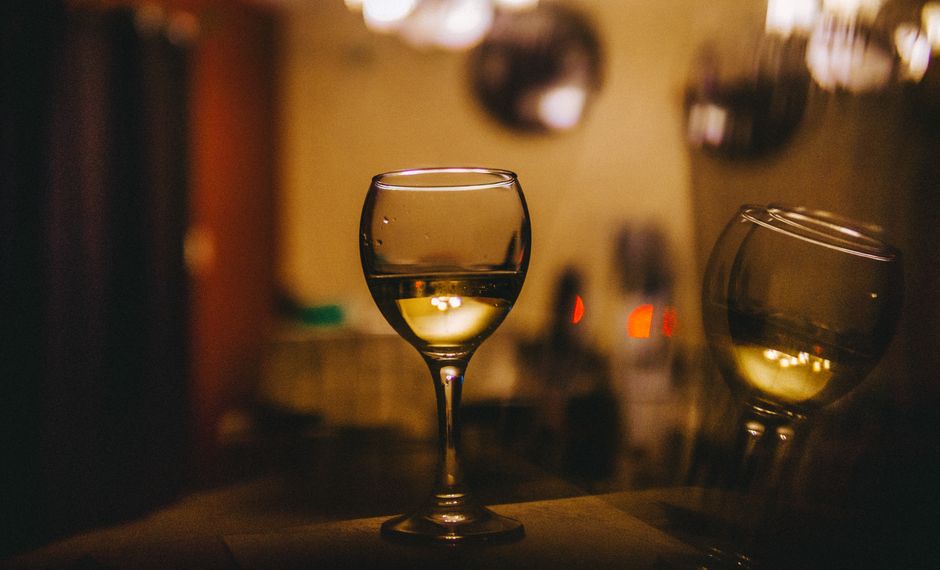
Kombucha and mate – both beverages are described as particularly healthy and beneficial, as they can support various bodily functions.
In 2021, we described kombucha and mate as drinks with a special aura. The most important sentence is almost an aside: not everything has been scientifically proven. That’s exactly why this article reads best today as a calm guide, not as a promise of salvation.
- Kombucha is fermented sweet tea containing bacteria and yeast.
- For homemade kombucha, the text calls for 7 to 10 days of patience and very clean working conditions.
- Mate is a caffeinated South American beverage made from Ilex paraguariensis leaves.
- The alt text explicitly warns: do not drink too much at once and consume other fluids as well.
- Both drinks thrive on ritual: glass, cloth, gourd, bombilla, temperature, and time.
First Measure, Then Myth
Kombucha and mate are introduced in the original article with numerous claims: as medicinal agents, weight-loss aids, and supporters of various bodily functions. Then comes the crucial correction: none of this has been scientifically proven. This sentence strengthens the text significantly. It doesn’t strip the drinks of their appeal, but it places them in the right context. You drink them because they are interesting, not because they solve everything.
The article mentions both refreshing beverages and reminds readers not to consume too much at once. Other fluids are included here as well. Mass consumption can be harmful, the text states. This note fits well with IBL’s philosophy, as indulgence without moderation rarely exudes style. Kombucha and mate work best when they are not treated as a challenge.
Kombucha is Patience in a Glass
In the archive, kombucha is described as sweet tea fermented with bacteria and yeast. You can buy it ready-made or brew it yourself. Those who brew it themselves need time: 7 to 10 days are cited. Hygiene is also essential. This is not a decorative detail, but the foundation. Fermentation is beautiful, but it does not forgive carelessness with particular elegance.
For one liter, the text calls for one kombucha mushroom (SCOBY), 100 milliliters of finished kombucha, 90 to 100 grams of raw cane sugar, one liter of still water, one teaspoon of green tea, and a large jar. The tea is steeped in hot water at about 70 degrees Celsius, not boiling, for approximately three minutes. The tea leaves are then removed, sugar stirred in, and later the SCOBY along with its liquid is added. If the mushroom sinks, the text says this is no problem. The jar is covered with a paper or cloth towel and secured with a rubber band. It is then left in a place that is neither too warm nor too cold. After a week, tasting is permitted.
Mate is a Different Tempo
In the older article, mate is described as a South American, caffeine-rich beverage. It mentions the dried leaves of the holly species Ilex paraguariensis, which are steeped in hot water. It also states that over 200 ingredients have been identified in the leaves. However, the ritual is equally decisive here.
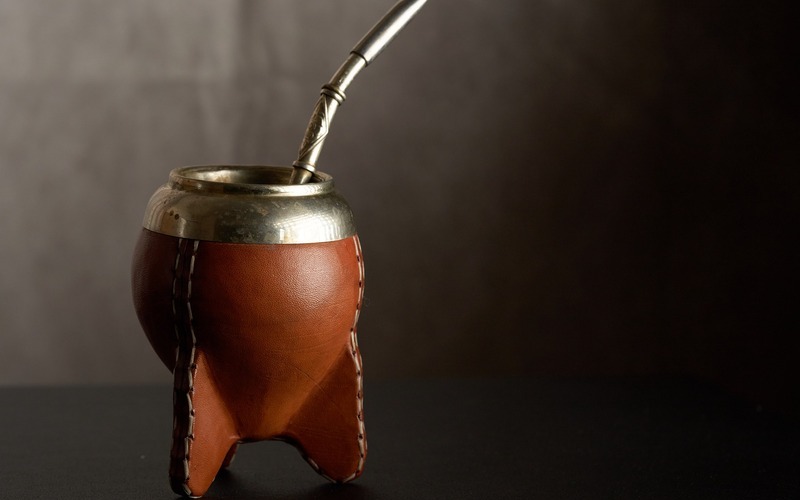
You need a gourd or metal cup, a bombilla, mate tea, and water. Fill the cup halfway with mate. Then hold your hand over the opening and shake vigorously to reduce fine powder so the bombilla does not clog as easily later. Next, tilt the cup, add a little cold water on the empty side, and let the tea steep for half a minute. Only then do you add hot water, initially filling it halfway. The bombilla is placed diagonally, its filter touching the bottom, and should ideally not be moved afterward.
Why Basic Recipes Suffice
The article concludes by noting that there are many ways to prepare these drinks and that experimentation is necessary. This is the right attitude. Kombucha and mate are not drinks for haste. They require you to take temperature, vessel, time, and taste seriously. That is precisely where their charm lies.
You don’t need to turn this into a health religion. A glass of kombucha can be fascinating; a mate on the right afternoon can be too. But both remain beverages. This may sound sober, but it is liberating. When you drop the grand promises, you taste more accurately.
The Small Difference Between Enjoyment and Promise
Both kombucha and mate have an aura that quickly grows larger than the drink itself. The old article captures this and then consciously brakes. This is important because fermentation, caffeine, and ritual can quickly sound like effects. Effects quickly sound like promises. And promises regarding beverages are rarely as elegant as a clear flavor.
With kombucha, patience is the actual luxury. Seven to ten days is a long time for a drink, but it is exactly this time that makes the result interesting. The SCOBY, the sweet tea, the cloth over the jar, and the taste test after a week create a process that should not be rushed. Anyone who becomes frantic here has not understood the drink.
Mate demands a different skill set. Shaking, reducing powder, cold water, hot water, placing the bombilla, and then moving it as little as possible. This sounds complicated but becomes calm with repetition. Both drinks therefore illustrate the same point from two angles: enjoyment arises not just from ingredients. It arises from a hand movement you have learned.
The better kitchen for it
When you brew kombucha, the kitchen needs less show and more order. A large jar, a cloth, a rubber band, clean hands, and a spot without extreme temperatures are enough. The original post mentions no complicated apparatus. That’s exactly what makes the process accessible. But accessible doesn’t mean careless. Hygiene remains the dividing line between enjoyment and risk.
With mate, the equipment is more visible. The gourd and bombilla are part of the image, but they’re not just decoration. They determine how the tea steeps, how you drink, and why you shouldn’t constantly move the straw after placing it. A good ritual is often beautiful precisely because it has clear rules.
It’s subtle, but that’s exactly where the appeal of both drinks lies.
Anyone who tries both will quickly notice whether they’re looking for fermentation or caffeine. Kombucha is patience; mate is alertness with ritual.
Kombucha and mate improve as soon as you stop overhyping them. Then patience, flavor, and a very good ritual remain.
Gut zu wissen
▸Is kombucha scientifically proven as a cure-all?
The original text clearly states that the special effects are not scientifically proven.
▸How long does homemade kombucha take?
The post mentions 7 to 10 days.
▸What do I need for mate?
Gourd or metal cup, bombilla, mate tea, and water.
▸Can I drink a lot of it?
The original text explicitly advises moderation and drinking other fluids as well.
Image source: pixabay / Kotaro Studio