Essay · Library
Your library is the portrait you shape from paper and linen
Your books are not there simply to be read. They form a portrait of your attention from paper and the traces they carry.

 Books & Film
Your books are not there simply to be read. They form a portrait of your attention from paper and the traces they carry.
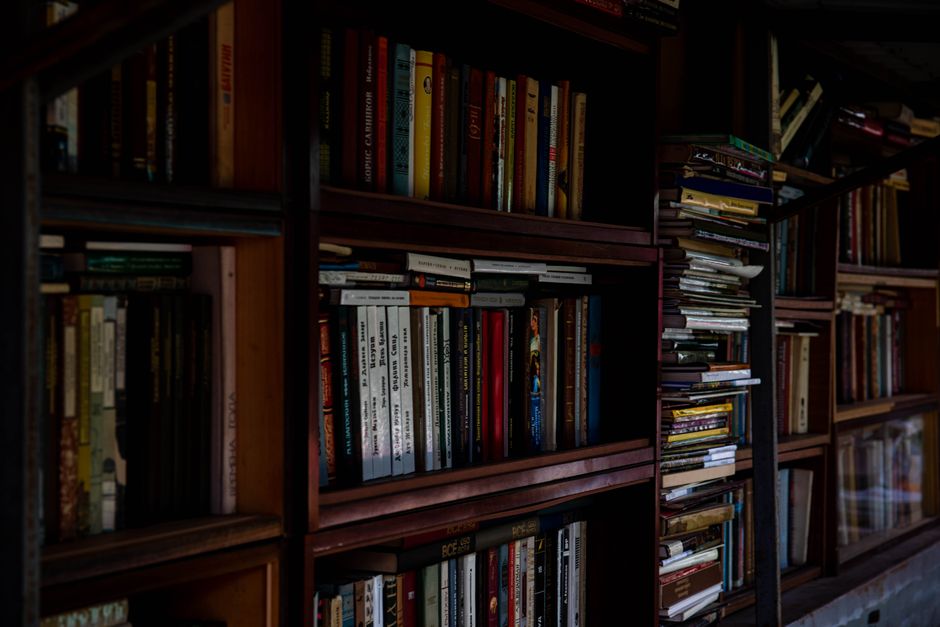
You open the door to a room and the shelves speak before you say a word. The arrangement of the volumes, the gaps, the places where books stand in duplicate. This is not what one is supposed to have read. This is what you refused to part with.
When you hold a first edition in your hands, you feel the difference from later reprints at once. The paper has a different weight and surface. The letters are not perfectly uniform, because they were set in lead. The binding smells of glue and ink from another time. The book is not only a text. It is an object born in the exact year the author first sent it into the world.
Owning a first edition changes your relationship to the text. You know these pages were the first someone read without knowing how the book would later be received. The slight misalignment in the type, the way the cover has yellowed, all of it belongs. It turns the book into a witness of a particular moment, not merely a vessel for words.
A name on the flyleaf, a bookplate, a pencil note in the margin. These traces turn a book into something that has passed through other hands. You are not holding only the text. You are holding an object that someone else once bought, read, and perhaps passed on. Provenance is no minor detail. It is part of the book’s biography.
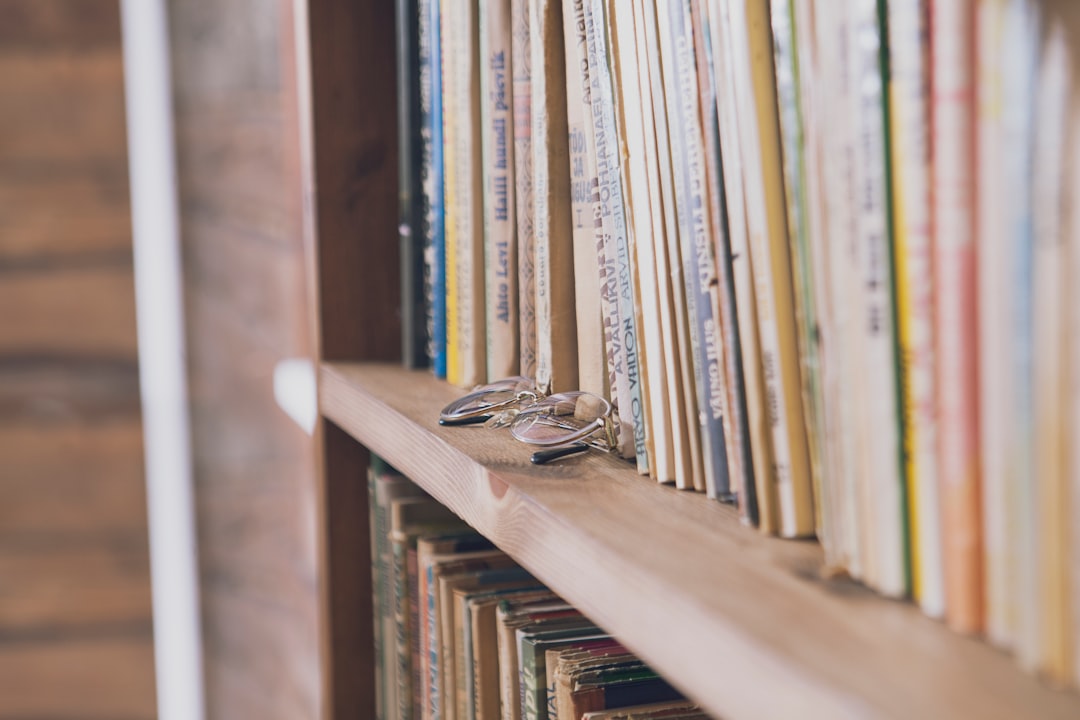
Sometimes the trace is faint. A faded stamp from an old lending library. An inscribed copy whose recipient has long been forgotten. These things tell no spectacular story. They speak of a quiet passage through different shelves and different lives. When you place the book on your own shelf, you continue that chain.
The way you arrange your books reveals more than any conversation about your reading. Some people order strictly by author or year of publication. Others group books that mattered in a certain summer or that raise a similar question. The gaps are as important as the filled sections. They show what is missing or what you have not yet found.
A shelf that contains only books you have read is rare. Most libraries also hold volumes you intend to read or ones you have read before and wish to find again. The physical proximity of the books to one another creates connections that no digital catalog can replicate. You see at a glance which themes and which times in your life stand side by side.
There are books you have read only once and yet still keep. They do not stand there because you open them constantly. They stand there because they capture a certain state of your thinking. The physical book reminds you of the moment you bought it or received it as a gift. It is an anchor.
A private library is therefore never merely a collection of texts. It is an accumulation of objects that have held your attention over the years. When you walk through the room and let your fingers glide over the spines, you touch more than paper and linen. You touch the version of yourself that once held these books as important.
No. Most serious collectors keep books they have not yet read or have read only in part. The shelf does not serve as proof of diligence. It serves as a reservoir. The ability to take a book in hand whenever you wish belongs to ownership.
A first edition is not a luxury in the sense that it must be more expensive. It is a different object. The paper, the binding, and the typesetting reflect the time when the book came into being. Whoever wants only the text needs a reading edition. Whoever wants the book as an object seeks the first form in which it appeared.
It grows less uniform. Early purchases stand next to later discoveries. Some books that were once central shift to the edges. Others that stood unnoticed for a long time suddenly gain weight. Over time the library becomes a reflection of the changes in your thinking. It never stands still.


