Why the Bound Book Is Becoming a Collector’s Item
As everything shifts to digital, publishers and craftsmen are refining the physical book by hand once again. A movement that’s more than just nostalgia.

 //CULTURE
As everything shifts to digital, publishers and craftsmen are refining the physical book by hand once again. A movement that’s more than just nostalgia.
It sounds like a contradiction: the more we stream and scroll, the more coveted the printed book becomes as an object. Not as reading material that could just as well be digital, but as a handcrafted thing with weight, scent, and edges that gleam in the sunlight.
The return of the physical book isn’t just anecdotal-it’s quantifiable. Printer CPI produced around 130,000 books with decorative colored edges in 2020; by 2023, that number had surged to over 2.6 million. What started as a novelty has become its own market.
The scale of this trend is evident at Bücherbüchse in Geretsried. In 2023, the company generated eight million euros in revenue from premium book editions, serving over 100,000 customers and producing 370 titles with colored edges alone. This is no longer a niche phenomenon-it’s a thriving business.
The surge is driven by a young readership eager to showcase their books. On TikTok, the hashtag #BookTok has amassed over 35 million posts, while #Bookstagram on Instagram exceeds 100 million. In the UK, book sales recently hit record highs, fueled by young buyers who collect physical editions rather than just read them.
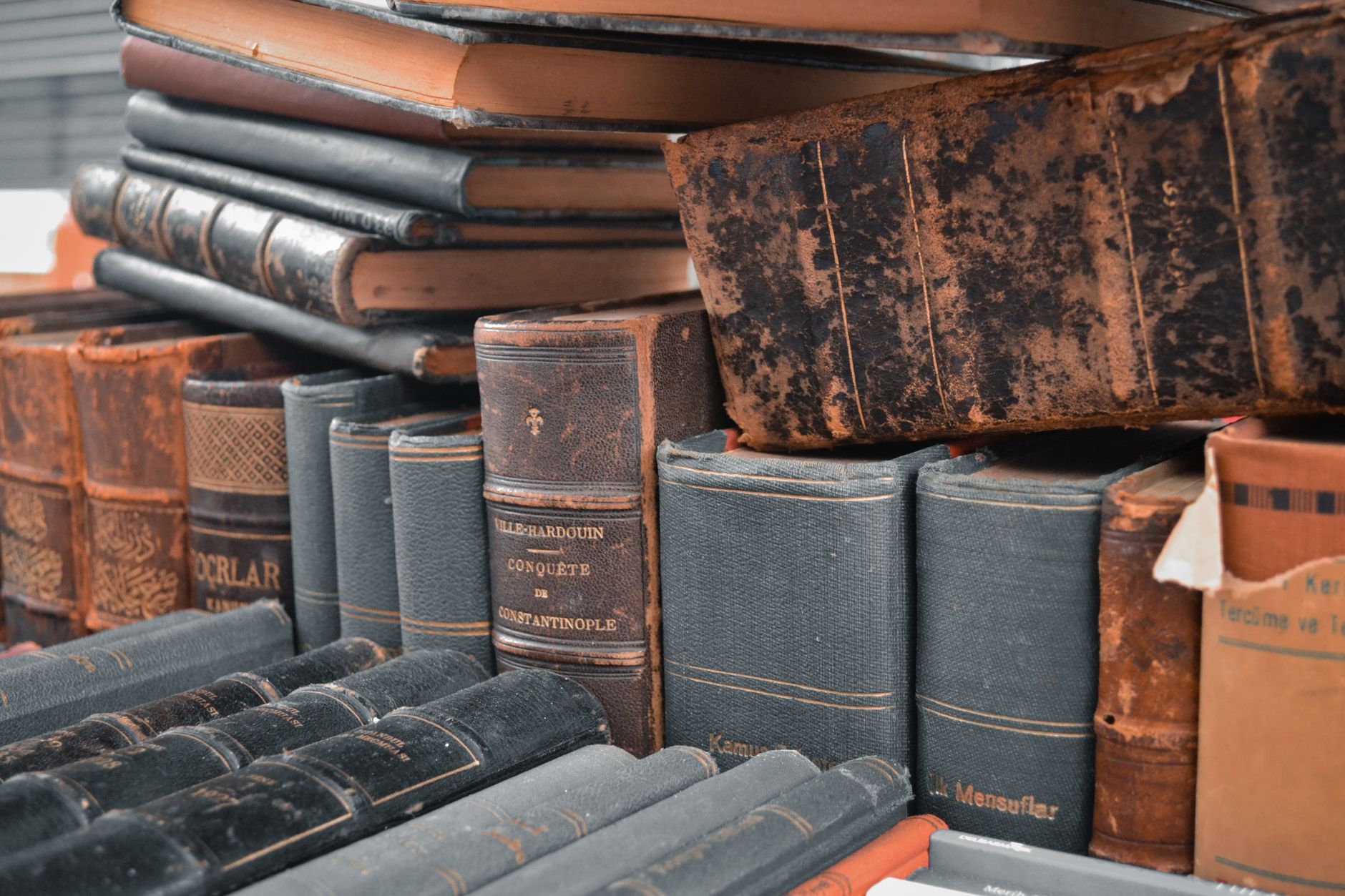
Premium craftsmanship goes beyond an eye-catching cover. It includes colored edges-the printed or dyed page rims-genuine leather bindings, embossing, thread-sewn signatures, and hand-binding. These are labor-intensive steps that can’t be mass-produced.

What’s striking is why only limited editions receive this treatment. In Germany, fixed book pricing mandates a set price for standard editions. To justify higher costs for premium versions, publishers turn to special, limited runs. Scarcity isn’t just marketing-it’s partly a result of pricing regulations.
The result is a book that feels different. A thread-sewn binding lays flat and lasts for decades, a colored edge transforms the entire object, and a leather cover develops a patina over time. These are qualities a digital file simply can’t replicate.
A book you can’t stream regains a value that a file never had.
At the high end, the book becomes a true exhibit. Taschen’s Sumo edition of Sebastião Salgado’s photo book *Genesis* retails for around 3,500 euros and tends to sit on a dedicated stand in private libraries rather than on a shelf. Taschen also offers other handcrafted limited editions starting at around 1,400 euros, while Assouline produces hand-bound coffee-table books in exclusive collaborations.
But it doesn’t have to cost four figures. Brands like Famous Hotels sell hand-bound leather editions as limited runs for around 133 euros. Between these extremes lies an entire market with one thing in common: the book is no longer just read-it’s owned.
This shift changes the way we see it. When you buy a premium book, you’re not thinking in reading hours, but in years. It’s an object to keep, pass on, and display-much like a fine watch or a piece of furniture with a story.
The timing isn’t accidental. The more ephemeral digital life becomes, the more appealing the tangible grows. A stream disappears the moment the license expires. A bound book stays, ages with you, and can be inherited. The physical object becomes a counterweight to a life otherwise lived in the cloud.
Then there’s the status factor. Fashion houses have long recognized this: Dior and Chanel run their own book clubs and sell Book Tote Bags that turn reading into an accessory. The physical book has become a visible sign that someone reads, collects, and values craftsmanship.
Beneath all this lies a simpler truth. A beautifully made book is a small, affordable form of luxury. You don’t need a fortune to own something handcrafted that only gets better the longer you have it.
The first clue is the binding. Open the book and check if the pages are sewn or just glued. A proper sewn binding lies flat and won’t crack at the spine. Glued mass-market books give themselves away right here.

The second clue is the material. Real leather, substantial paper, and a cleanly finished colored edge feel different from printed foil and thin sheets. A premium edition invites touch; a copy just hopes you’ll look.
Finally, there’s the number. A serious edition states its print run clearly-and often your copy’s individual number. If the cover just says “limited” without specifying how limited, be wary. Scarcity no one quantifies usually isn’t real.
Extra steps like colored edges, leather binding, embossing, sewn signatures, and hand-binding. These take time, can’t be mass-produced, and turn reading material into an object.
Because materials and labor drive the cost. On top of that, in Germany, only limited editions are enhanced, since fixed book pricing applies to standard editions.
If the object means something to you, yes. A well-made book ages beautifully, can be passed down, and is an affordable way to own a piece of craftsmanship.
In the end, it’s not about paper versus screen. It’s about the difference between something you use and something you keep. Once you’ve held a truly beautiful book, you know exactly which category it belongs in.


