//Culture · Design archive
When the chair becomes an archive
At the Vitra Design Museum, thousands of furniture objects are held as cultural artefacts. Design here is no catalogue. It is a collection that takes industrial history seriously.

 Art & Design
At the Vitra Design Museum, thousands of furniture objects are held as cultural artefacts. Design here is no catalogue. It is a collection that takes industrial history seriously.
You enter a room where chairs do not invite you to sit. They stand like sentences. Runner, tube, plywood, plastic. Each piece a decision about work, comfort and the spirit of its time.
At the Vitra Design Museum in Weil am Rhein, design is a cultural practice. The collection turns everyday objects into archive entries.
The museum describes its holdings as almost twenty thousand objects. These include around seven thousand pieces of furniture and over a thousand lights. The focus: industrial furniture and lighting design.
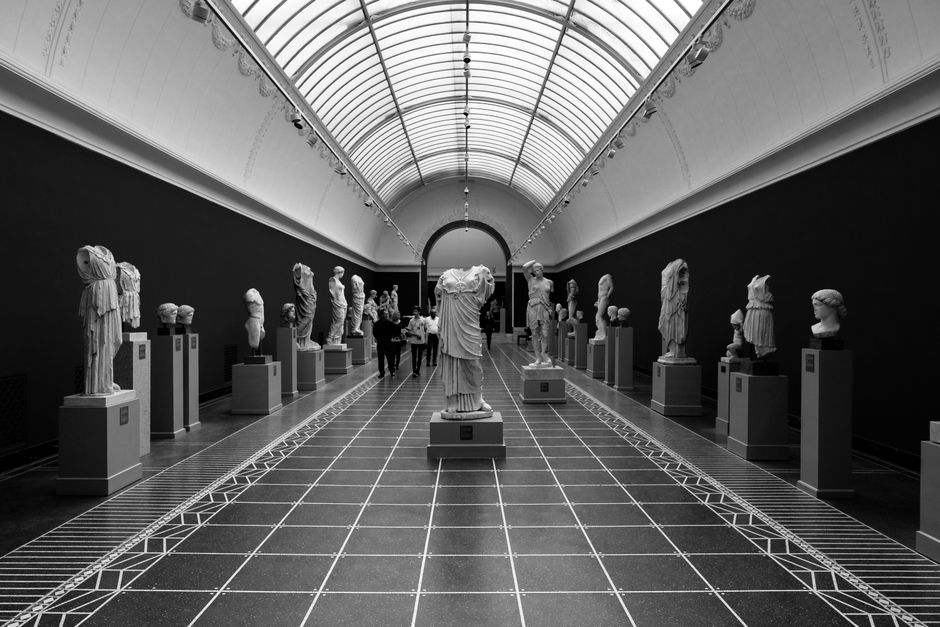
This is no stage for decoration. It is research material. Exhibitions and publications draw on this core.
The difference from a flagship store is palpable. Here, context counts. There, availability counts.
The furniture collection spans periods: the beginnings of modern design, classical modernism, post-war design from Scandinavia and Italy, American approaches such as Eames and Nelson.
The Chair Collection poster shows 224 selected pieces from more than seven thousand objects. Read chronologically, it becomes a history of sitting.
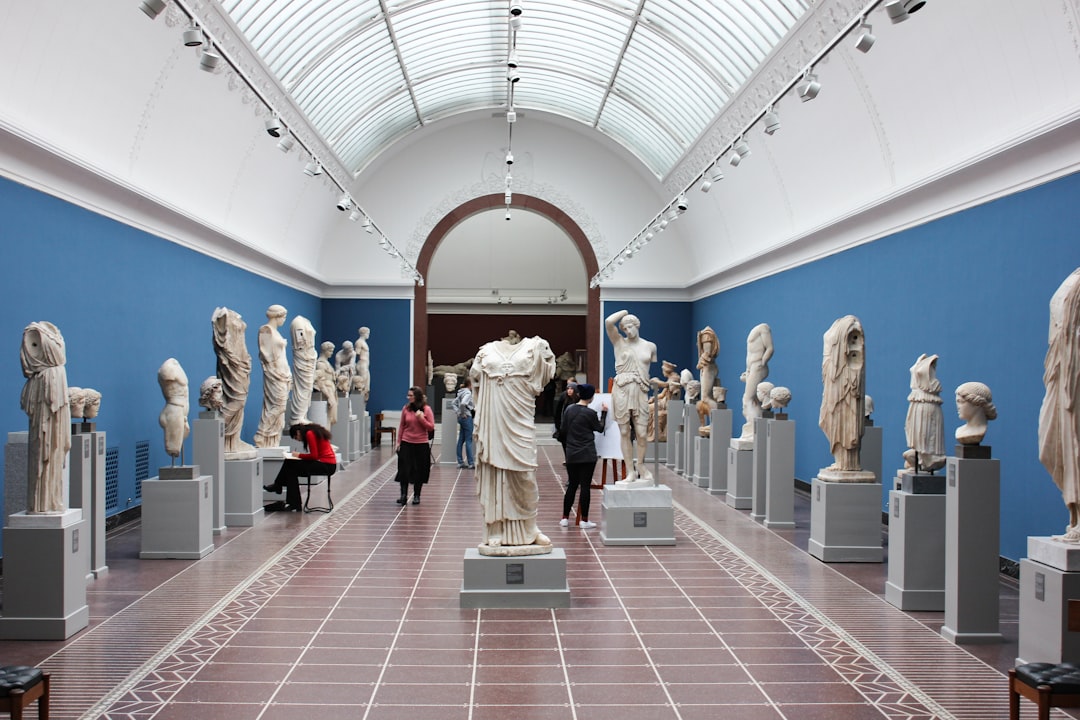
Form is argument. Material is period. The runner is a history of technology.
Design museums are honest because they do not hide use. A chair remains a chair. At the same time, it becomes evidence. This double role is the real appeal: you recognise the everyday and see the ideology behind it at once.
Industrial history sounds dry until you realise it has shaped your back. The height of a seat. The angle of a backrest. The choice of tubular steel or wood. All of this was once debate, experiment, hope for a better modernity.
I like collections that show more than icons. You know the icons. Their neighbours are more interesting: pieces that tell of transition, the near miss, the attempt. That is where culture becomes tangible.
For your own eye, this means training it on archives. Do not just go to shops. Go where nobody wants to sell. Then in the shop you can see more clearly what is an argument and what is filler.
In the end, a design archive is a school of criteria. Criteria are the only luxury you can take away without buying anything.
A chair becomes a document only when you read it as a statement.
You need fewer pieces and better judgement. One object with line beats five interchangeable accessories.
Verdict: If you think of design only as a shop, you miss half of it. The other half is the archive.
Take one detail with you. A joint. An edge. Then ask in your own room: which piece would stand up as a document?
If none answers, you have room for an object with a voice.
Closeness matters. From a distance, much looks alike. Up close, you see whether someone has worked on it or merely arranged it.
That is why a second look matters, whether at sheet metal, stones, chairs or objects in a room.
Standards are not about volume. They are precision in places you might overlook.
According to the museum: almost 20,000 objects, including around 7,000 pieces of furniture and more than 1,000 lights.
Because industrial seating makes technology and ideals of comfort visible.
An overview of 224 selected chairs from the large collection.