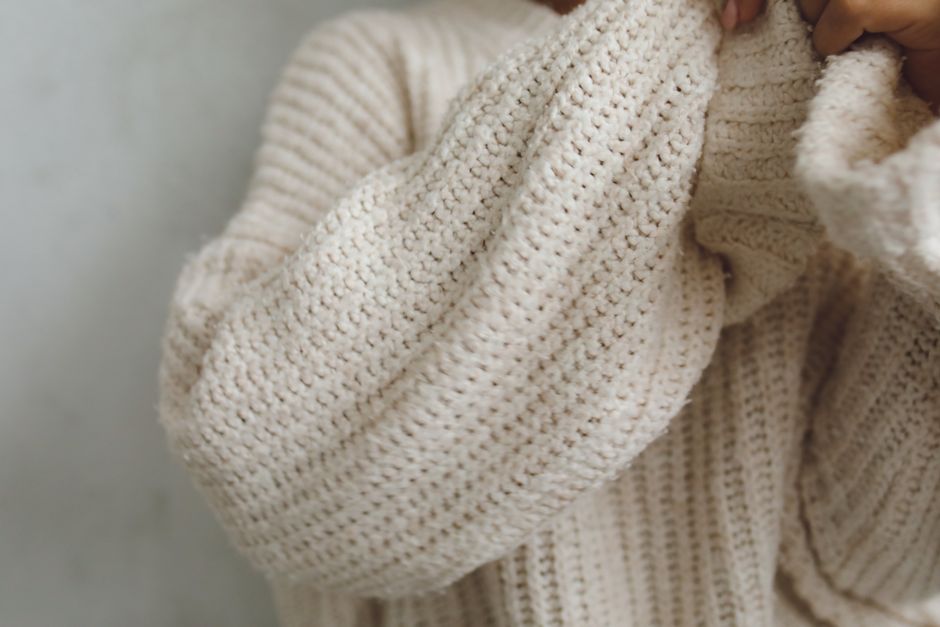
Hanging in my closet is a gray cashmere sweater I bought twelve years ago. It cost twice what was reasonable at the time, and I agonized over the decision for six months. Today, it bears a few fine pilling knots under the arms, the shoulders have molded to my body, and it’s the only garment from that year still in existence. Everything else-the impulse buys, the checkout-line bargains-is long gone, washed out, donated, forgotten. This isn’t sentimentality. It’s the bottom line.
Quick Facts
- Fast fashion isn’t cheap-it just defers the bill: In the EU, around twelve kilograms of clothing per person end up in the trash each year, while globally, only one percent of old clothes are recycled into new garments.
- Loro Piana, based in Quarona in Piedmont, and Brunello Cucinelli, from Solomeo in Umbria, represent the opposite: clothing meant to be kept. Not for the label, but for the fiber, the stitching, the lifespan.
- The cost-per-wear argument is pragmatic, not romantic: A piece you wear two hundred times is cheaper per wear than one that’s stretched out after fifteen washes.
- Even luxury has its shadows: In July 2025, Loro Piana was placed under judicial administration in Italy after workers in its supply chain were found to be exploited. Quality in the product doesn’t automatically mean ethics behind it.
We usually talk about fashion as if it’s all about the moment: what’s trending, what you’re seeing this summer, what will be over next week. But the real question about a garment isn’t how long it stays in style. It’s how long it stays, period. And on that question, the industry splits into two camps that barely speak the same language.
One camp treats clothing as disposable. The other makes it to be worn until it becomes a second skin. This story is about the second camp: why it’s more expensive – and why it’s still the better deal.
The True Cost of Cheap
Let’s start with the bill that never appears on the price tag. Fast fashion, as defined by the European Parliament itself, is the constant delivery of new styles at rock-bottom prices. The business model thrives on volume and the short lifespan of each item. You buy, you wear it a few times, you toss it, you buy again. The low price isn’t a gift-it’s an invitation to repeat.
The impact is measurable. According to the European Parliament, the EU discards around twelve kilograms of clothing per person every year. In 2022, the average European’s textile consumption used 523 kilograms of raw materials and generated roughly 355 kilograms of CO₂ emissions-equivalent to driving a petrol car for 1,800 kilometers. Less than half of worn clothing is even collected, and just one percent of old garments are recycled into new ones. The rest is incinerated or ends up in landfills. This isn’t a moral appeal-it’s data from an official source.
The antidote to this cycle is a word that sounds old-fashioned but isn’t: durability. A garment that lasts ten years doesn’t need replacing nine times. That’s the whole trick – and it’s anything but flashy. The EU has now enshrined it in law. From 2026, destroying unsold clothing will be banned across the bloc. What you don’t discard, you don’t have to replace. This applies on a global scale – and in your own wardrobe.
~12 kg
of clothing per capita discarded annually in the EU (European Parliament, 2025)
1 %
of old clothing worldwide is recycled into new garments; the rest is incinerated or landfilled
355 kg
of CO₂ generated per EU citizen from textile consumption in 2022-equal to 1,800 km in a petrol car
Quarona: Where the Fiber Rules
There’s a place in Piedmont that looks like any other northern Italian industrial town – yet it’s where the fate of the finest cashmere and vicuña is decided. Quarona, nestled at the foot of the Alps. Here, in 1924, engineer Pietro Loro Piana founded the company that bears his name today, though the family had been trading wool since the early 19th century. Loro Piana doesn’t do fashion in the sense of seasons or trends. Loro Piana does material.
That sounds clinical – and it is. The difference between good cashmere and extraordinary cashmere is measured in micrometers. The finer and longer the individual fiber, the softer the fabric, the less it pills, the longer it lasts. Loro Piana operates at the pinnacle of this spectrum: with cashmere, baby cashmere from the very first shearing of a kid goat, and vicuña, the wool of a wild South American camelid, among the rarest and most expensive natural fibers in the world. A vicuña yields only a small amount every few years. That doesn’t fully explain the price – but it explains it honestly.
Since 2013, Loro Piana has been majority-owned by LVMH, with the French conglomerate acquiring 80 percent while the founding family retained 20. Yet nothing has changed about the material or its craftsmanship. What you’re buying in a Loro Piana piece isn’t primarily a logo (the house’s emblem is famously understated). You’re buying a fiber so meticulously selected that the sweater will look even better in ten years than it did on day one.
Solomeo, Where Dignity Matters
Two hundred kilometers further south, in Umbria, lies a medieval village called Solomeo. Brunello Cucinelli bought and restored it in the eighties, and from here, he built a cashmere empire that has been listed on the Milan Stock Exchange since 2012. Cucinelli calls his philosophy “humanistic capitalism”: the idea that a company can turn a profit while respecting the dignity of its workers, rather than playing one against the other.
You might dismiss this as marketing – and some of it probably is. But in Solomeo, Cucinelli pays above-average wages, has built a theater, a library, and a craft school, and extends the lunch break to an hour and a half because he believes people should eat in peace. He held this belief long before others started calling it “purpose.” And it shows in the product: Cucinelli cashmere is mostly knitted and tailored in Italy, by people you know and who are fairly paid. The seam of a good Cucinelli sweater isn’t clean by accident. It’s made by someone who had the time to do it right.
This is where quality becomes tangible. A sweater meant to last needs three things: a fiber that doesn’t give up after two washes, a knit density that holds its shape, and seams that aren’t the first weak point. Fast fashion brands cut corners precisely in these three places because they’re the least visible. For Cucinelli and Loro Piana, they’re the whole point.
We want to make a profit – but with ethics, dignity, and decency. People must never be just a means to an end.– Brunello Cucinelli, on the idea of humanistic capitalism
The Math That Pays Off
Now for the uncomfortable arithmetic. A thousand-euro cashmere sweater sounds absurd-until you divide it by the number of days you wear it. The industry calls this “cost per wear.” If you wear a piece two hundred times over ten winters, it costs you five euros per wear. The twelve-euro sweater that loses its shape after fifteen washes and ends up in the trash often costs more per wear – and you buy a new one every year.
Of course, this only works if you treat the expensive item like it’s expensive. Good cashmere is washed cold by hand or on a wool cycle, laid flat to dry, and given rest days between wears so the fibers can recover. A pill comb removes knots instead of letting them grow. And when a moth hole appears (it will eventually), you darn it instead of tossing the piece. Repair, don’t replace-that’s the oldest form of luxury there is. Our grandmothers mended sweaters because buying new wasn’t a given. We’ve unlearned that because cheap fashion taught us to throw things away.
The best argument for good clothing is also the least romantic: it forces you to decide. Once you spend real money on a coat, you won’t buy three mediocre ones afterward. Your wardrobe gets smaller and better. That’s not deprivation. That’s knowing what you wear.
Luxury Has Its Dark Side Too
Defending high-end fashion doesn’t mean pretending the steep price tag automatically guarantees ethical production. This is where things get serious – and honest. In July 2025, a Milan court placed Loro Piana under judicial supervision for a year. The reason? Workers in the brand’s supply chain had been exploited. In May, the Carabinieri shut down a workshop near Milan where Chinese workers-some undocumented-were reportedly toiling up to 90 hours a week for four euros an hour, sleeping in illegally converted spaces within the factory.
To be fair, Loro Piana itself wasn’t under criminal suspicion and stated it had no knowledge of the subcontracting, cutting ties with the supplier as soon as it learned of the situation in May. However, the court accused the brand of failing to adequately monitor its suppliers in pursuit of higher profits. According to Reuters, Loro Piana was the fifth luxury label in Italy placed under supervision during this investigation, following brands like Dior, Armani, and Valentino. Italy produces roughly half of the world’s luxury goods, per estimates from consultancy Bain-often through small workshops whose conditions no one verifies.
What does this mean for this article? It means “expensive” doesn’t equal “ethical,” and the “Made in Italy” label alone doesn’t guarantee dignity. The fiber may be first-rate, but the hands processing it could still be exploited. Good fashion is an attitude – but that attitude must extend through the entire supply chain, not just the final price tag. When buying Loro Piana or any luxury brand, you have every right – and should-to ask what’s changed in supplier oversight since 2025. This isn’t a rejection of quality materials. It’s a demand that promises hold true all the way back to the first stitch.
How to Spot Quality
The FiberIn cashmere, fineness and length matter: long, thin fibers pill less and last longer. Baby cashmere and vicuña rank at the top.
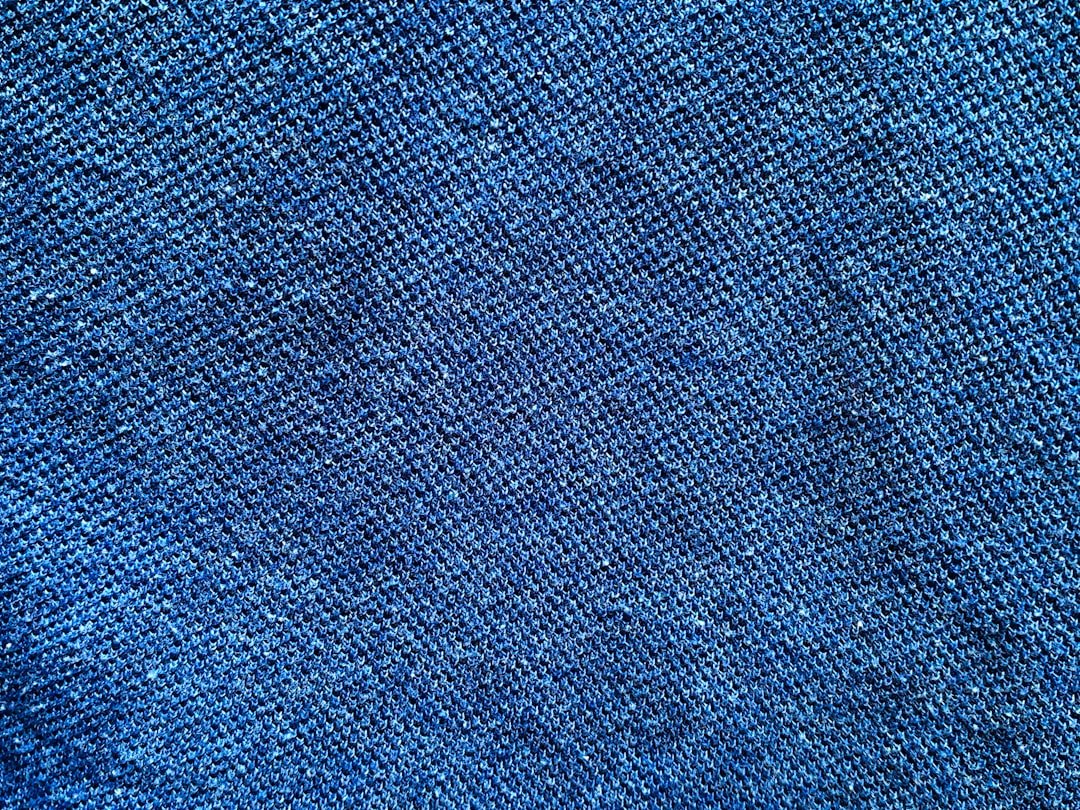
The Knit DensityHeld up to the light, a well-made sweater should appear dense and even, not see-through.
The SeamClean, tight, and free of loose threads. Fast fashion cuts corners here first because it’s the least visible.
The OriginAn honest label lists the material, its percentage, and the country of production. But the real question behind it: Who sewed it, and under what conditions?
What Lasts in the End
Fashion is often sold as the most fleeting thing: hot today, cringe tomorrow. But the pieces you remember were never the fast ones. It’s the coat from your father that still fits. The cardigan that survived two moves. The gray sweater in your closet that’s taken on the shape of your body and kept it. These items don’t just carry you-they carry time.
That’s what Loro Piana in Quarona and Brunello Cucinelli in Solomeo sell at their best: not status, but longevity. And it’s what fast fashion brands can’t do, because their entire business model depends on nothing lasting. You don’t wear what’s trending. You wear what you chose – and keep it until it feels like yours.
Maybe that’s the most honest measure of a garment. Not whether it’s right for this summer, but whether you’ll still want to wear it in ten years – and whether it’ll still be there. Everything else is just noise. What remains is the answer.
The Details
Is expensive clothing really worth it financially?
For pieces you wear often and for years, yes-when you calculate the cost per wear, high-quality items usually end up cheaper than repeatedly buying cheap alternatives. But for a fleeting trend you’ll discard after one season, the premium isn’t justified. The rule of thumb: invest only where you’ll actually benefit from durability.
How can I spot good cashmere?
Look for long, fine fibers, tight knitting, and clean seams. A quality sweater won’t let light through, won’t feel scratchy, and will barely pill after the first few washes. The material alone isn’t enough-craftsmanship makes the difference.
Is luxury fashion automatically ethically produced?
No. In July 2025, Loro Piana was placed under judicial administration in Italy after workers in its supply chain were found to be exploited, alongside other brands. A high price guarantees fiber quality, not the dignity of the hands that made it. It pays to ask questions.
What should I do if a good piece gets damaged?
Repair it, don’t toss it. Moth holes can be darned, pilling can be combed out, and seams can be restitched. Many premium brands even offer in-house repair services. A mended favorite is worth more than three new pieces you won’t keep.
❖
Sources: Reuters (Loro Piana under judicial administration, July 2025), LVMH and Wikipedia (Loro Piana, Quarona/LVMH acquisition 2013), Brunello Cucinelli Investor Relations and Borsa Italiana (IPO 2012, “humanistic capitalism”), European Parliament (fast-fashion statistics, 2025). Title image source: Pexels / Ron Lach.
Jakob Bach writes for InspiredByLuxury about what’s worth it-and what endures. This column is a stance, not an advert: it celebrates great clothing but isn’t afraid to ask tough questions.
//Style
More from //Style
What lasts when the trend fades. Material, craftsmanship, and the value of true quality. Stay in //STYLE.
To the section →

 //STYLE