2 Days in Ljubljana: Europe’s Underrated Dream City
In spring 2026, we recommended Ljubljana as a short-trip secret tip. What still holds true, what has changed, and why two days in Ljubljana are still worth it, read here.
We described Ljubljana in February 2026 as an underrated weekend trip: compact, affordable, and walkable. Three months later, the good news is that almost everything still holds true. The bad news for those who like it quiet: Slovenia’s capital is slowly getting discovered. Here’s the up-to-date two-day plan, including the corrections we owe you.
- Ljubljana is walkable, affordable, and doable in two days. You can cross the city center on foot in 20 minutes.
- Day 1 is all about the Old Town around the Triple Bridge and the castle hike, Day 2 is for markets and a day trip to Lake Bled.
- Correction to the initial version: There is no direct Nightjet from Munich to Ljubljana. Reality is a day train via Villach and a night train towards Zagreb with a stop in Ljubljana.
- A dinner for two with wine stays under €40, lunch at the social gastronomy Druga Violina costs between €6 and €8.
- If you have three days instead of two, add the Metelkova neighborhood and a second castle perspective.
You know the feeling when you enter a city and immediately think: I would have never gone here. That’s exactly what makes Ljubljana special. Slovenia’s capital lies between Vienna, Venice, and Zagreb and is flown over by millions of travelers every year. Their luck, ours too. The Old Town nestles against a small river, the castle hill towers behind, and pastel-colored houses reflect in the water. No crowds, but very good food and surprisingly much style.
Day 1: Arrival, Strolling, and Marveling
Start the first day without a fixed plan. That sounds like bad advice, but it works perfectly in Ljubljana. The city is so compact that you hardly get lost, and the best discoveries happen between the scheduled activities.
Begin at Tromostovje, the Triple Bridge in the heart of the old town. Three parallel bridges span the Ljubljanica, surrounded by flower vendors, street cafes, and the gentle lapping of the water. From here, you’ll find everything else. Right behind it lies the Central Market Osrednja Tržnica, not a touristy spot, but where locals do their shopping. Early in the morning, it smells like herbs, strawberries, and freshly baked bread. Stand next to it, grab a coffee from a stand, and watch. This is Ljubljana in its most honest form.
At noon, it’s worth climbing to the castle, on foot in about 20 minutes through dense greenery or comfortably by funicular. The view of the red roofs of the old town, with the snow-capped Julian Alps in the background on clear days, is one of the most beautiful city panoramas in Central Europe.
Ljubljana doesn’t have to prove anything to anyone. That’s why a weekend here doesn’t feel like a checklist of sightseeing, but rather a short break with a program.
It’s best to spend the afternoon in the Trnovo neighborhood, south of the center. Students, artists, young families, smaller cafes, lower prices, and a more relaxed atmosphere. In the evening, head back to the old town side: Restaurant Stari Pisker on the riverbank serves Slovenian cuisine without kitsch. Roasted mushrooms, homemade pasta, local wine, sitting outside, candles, and the gentle lapping of the water. You can find similar relaxed dining experiences with a regional focus in Munich, such as Ahimsa or Yanyou.
Day 2: Markets, Art, and a Bit of Nature
The second day starts early because Saturdays are Markttag (Market Day) in Ljubljana. The antique and flea market along the riverbank starts around 8 am: vintage jewelry, old postcards, Slovenian ceramics, and records. Souvenirs that don’t smell like souvenir shops. Afterward, it’s worth a detour to the National Museum or the National Gallery, both within walking distance. Slovenian art is little known and precisely because of that, it’s exciting to discover without expectations. Plan for a maximum of two hours; the city is waiting outside.
The challenge of many short trips is the afternoon. In Ljubljana, this solves itself: book a trip to Lake Bled. About an hour by bus from the main bus station lies one of the most photographed lakes in Europe, with an island, castle, and turquoise water. Lake Bled lives up to what the photos promise. For those who prefer to stay in the city, head to the Metelkova neighborhood, a former military barracks turned autonomous cultural center with galleries, bars, and music clubs. Street art on every wall, an atmosphere between creative space and gentle chaos.
The last dinner belongs to Druga Violina on Stari trg. The restaurant is a social enterprise of the CUDV Draga center and employs people with disabilities in the kitchen and service. Solid Slovenian home cooking at fair prices comes to the table; the lunch menu costs between 6 and 8 Euros. Štruklji, rolled pastry pockets sweet or savory, are a must here. Rarely does attitude and good food come together so naturally.
Arrival: What Really Works
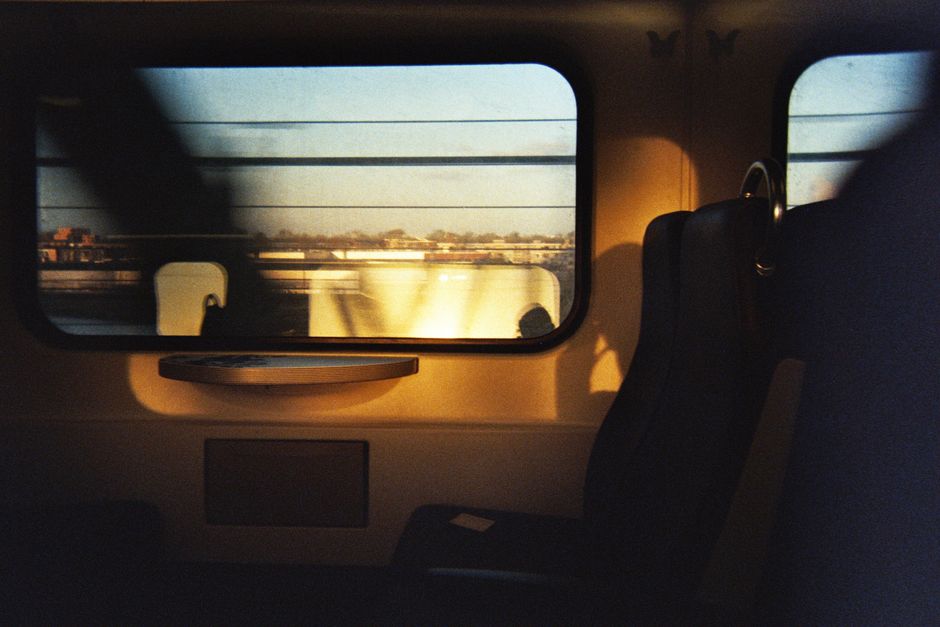
In the first version of this guide, it was stated that a Nightjet would take you directly from Munich to Ljubljana. That’s not correct, and we’re correcting it here openly. There is no direct night train from Munich to Ljubljana in the 2026 schedule. Realistically, you have two good options. During the day, an Eurocity train travels via Villach, until June 13, 2026, with a convenient transfer at the same platform, and from June 14, 2026, as a direct train. For those who want to travel at night, take the night train towards Zagreb, which stops in Ljubljana. Both options are more relaxed than flying and are completely sufficient for a weekend. By car, you’ll get there in about four hours. Speaking of spontaneous short trips: inspiration for more city discoveries can be found in our guide to Europe’s undiscovered pearls and in our weekend guide to Copenhagen.
What You Should Know
Ljubljana is significantly cheaper than Vienna, Munich, or Amsterdam. A dinner for two with wine rarely costs more than 40 Euro, coffee is under two Euro, and a bus ticket costs around 1.30 Euro. The Vander Urbani Resort right on the market square is wonderfully located without charging Milanese prices. Language is no obstacle: young Slovenians speak excellent English, many also German. The city is safe, public transportation is reliable, and rental bikes are available on every corner, although you can cross the city center on foot in 20 minutes.
Ljubljana is not perfect. No world-class museums, no big beach, no hustle and bustle. But sometimes that’s exactly what you need: a city that doesn’t want to prove anything and precisely because of that gets many things right.
Good to Know
▸How do I get to Ljubljana from Munich?
There is no direct night train in 2026. During the day, an Eurocity train travels via Villach, with a transfer at the same platform until June 13, 2026, and direct from June 14, 2026. Alternatively, the night train to Zagreb stops in Ljubljana. By car, you can get there in about four hours.
▸How many days do I need for Ljubljana?
Two full days are enough for the highlights plus a day trip to Lake Bled. If you want to include the nightlife in the Metelkova district, plan for three days.
▸Is Ljubljana expensive?
No, Ljubljana is significantly cheaper than comparable Western European cities. Coffee costs under two Euro, a dinner for two with wine rarely more than 40 Euro, and lunch at Druga Violina 6 to 8 Euro.
▸Is a trip to Lake Bled worth it?
Yes. Lake Bled is about an hour by bus from the main bus station and one of the most beautiful lakes in Europe, with an island, castle, and turquoise water. It truly lives up to what the photos promise.
▸Which restaurant is recommended for dinner?
For authentic Slovenian cuisine on the riverbank, Stari Pisker is a good choice. For a dinner with social added value, Druga Violina at Stari trg is worthwhile, a social enterprise with fair home-style cooking.