
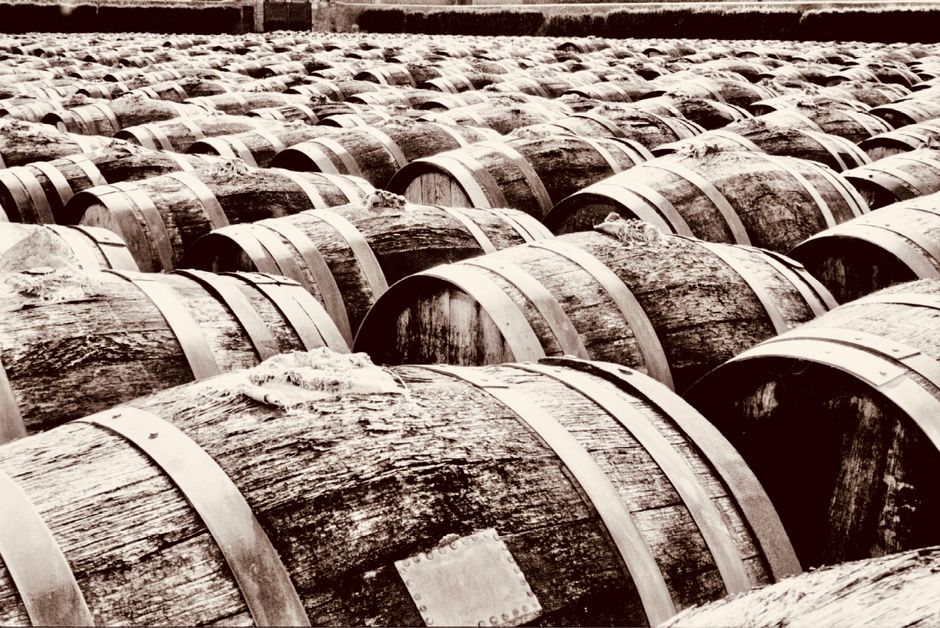
Twelve years for a single drop: what makes real balsamic vinegar
Between the supermarket shelf and a numbered battery in Modena lies more than a price gap. A look at what separates Aceto Balsamico Tradizionale from its industrial namesake.
Two bottles wear the same label, “Balsamic Vinegar of Modena.” Yet they could hardly be more different. One costs a few euros and ages sixty days. The other must age at least twelve years in a numbered series of wooden barrels and pass an expert panel before it can even be bottled.
- Aceto Balsamico Tradizionale di Modena DOP and di Reggio Emilia DOP are two separate, strictly regulated protected designations
- The Tradizionale must age at least twelve years in numbered wooden casks and undergo sensory inspection before bottling
- The far looser IGP “Aceto Balsamico di Modena” needs only sixty days of aging
Two protected names, one confusing label
Aceto Balsamico Tradizionale di Modena DOP and Aceto Balsamico Tradizionale di Reggio Emilia DOP are two distinct EU protected designations. The supermarket staple “Aceto Balsamico di Modena” is an IGP with far more relaxed rules. The IGP vinegar may, per the Consorzio rules, be made from grape must, at least ten percent wine vinegar and up to two percent caramel. Minimum wood aging is just sixty days; the term “Invecchiato” only kicks in after three years.
The DOP Tradizionale knows none of these shortcuts. According to the official Modena disciplinare it must be made exclusively from cooked grape must, age at least twelve years in numbered wooden barrels and pass both analytical and sensory tests by an expert panel before it can carry the protected name. For scale: the IGP market churns out 93–95 million litres annually, a volume that sharply separates the small-batch, numbered Tradizionale from the mass.
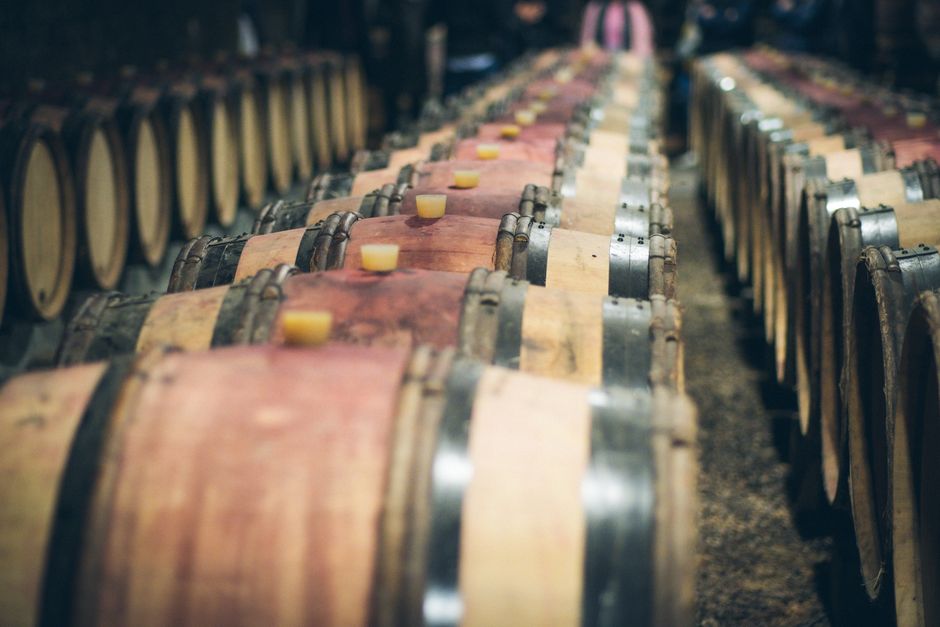
The battery that measures time
Modena DOP tradition is kept in the battery, locally called the “baliatico”, a row of certified wooden casks of varying size and wood type. Only batteries within Modena’s territory with a registered custodian count as certified production sites. In Reggio Emilia the Tradizionale ages in the province’s soffitte, the signature attic maturation rooms whose natural temperature swings concentrate the vinegar across the seasons.
Modena DOP appears in two classes: Affinato with at least twelve years and Extravecchio with at least twenty-five years. Both must hit a minimum density of 1.240 at twenty degrees and total acidity of at least 4.5 percent, numbers that show how far this vinegar strays from the watery supermarket product. Reggio Emilia grades sensorially in three tiers: Bollino Aragosta from twelve years, Argento as an intermediate step and Oro from twenty-five years.
A single drop from a numbered battery doesn’t change a dish by volume. It changes it by the twelve years it took to taste that way.
A bottle you can’t mistake for another
Every Modena DOP bottle filled at the source is a 100-millilitre flask designed by Giorgetto Giugiaro, sealed with a numbered government stamp. The letter A denotes the twelve-year quality tier, E the Extravecchio. Reggio Emilia even uses its own single-dose ampoule of ten millilitres, intended for one tasting drop or the final flourish on a plate. These packaging details are not marketing; they are part of the anti-counterfeiting system: a forger can copy the flavour, but not the state-numbered bottle.
In Reggio Emilia, the Consorzio permits only grapes from authorised varieties. Sixty-one certified producers stand behind the seal; their products must age at least twelve years in wood before they can even enter the inspection hall. That is a modest number for a region famed worldwide for its vinegar. It is precisely this modesty that is the point.

Why one drop is enough
Enhancing a dish with the real Tradizionale is not about generosity; it is about precision. A few targeted drops on Parmigiano Reggiano, strawberries or a simple risotto are all that the twelve- or twenty-five-year concentration will allow. Using the vinegar like salad dressing wastes exactly what you paid to own.
That also explains why a price-only comparison between IGP and DOP quickly falls short. The IGP variant is a kitchen workhorse for everyday use. The DOP Tradizionale is a spice in the strictest sense, measured in drops rather than tablespoons.

What the name really protects
A DOP status does not stop someone from making a similar-tasting vinegar; it stops someone from using the protected name on a product that has not spent twelve years in the battery or passed inspection. When you read “Aceto Balsamico Tradizionale di Modena” on the label, you are buying not just a flavour but the guarantee of a system that has enforced the same rules for centuries.
The difference that remains
At the end, substance separates from assertion at this very point: a vinegar aged twelve years in a numbered barrel does not need special pleading. Its years are carried in the flavour, concentrated, viscous, unmistakable. That is worth it, especially because you do not need much of it.
Good to know
▸What distinguishes DOP Tradizionale from the IGP version?
The DOP Tradizionale ages at least twelve years in numbered wooden casks and consists exclusively of cooked grape must. The IGP version may contain wine vinegar and caramel and needs only sixty days of ageing.
▸Why is the bottle so small?
The 100-millilitre Giugiaro flask with its numbered government seal is part of the anti-counterfeiting system. Since the vinegar is dosed in drops, a small quantity goes a long way.
▸How should one use Tradizionale?
In drops, not litres. The classic pairings are Parmigiano Reggiano, strawberries or a simple risotto, where the concentrated sweetness and acidity can speak directly.
Image credits: Hero image Pexels / Emmanuel Codden; inline images Pexels / Tim Durand, Pexels / Soumojit Basu and Pexels / Boris Ivas.


