Pick up the next expensive garment you see and turn it inside out. Look for the spot where two pieces of fabric meet: the inner seam, where the sleeve attaches or the collar sits. Hold it up to the light. What you see there says more about the piece than any label on the front. Because the label was stitched on for you to see. The seam was made to last. That’s the difference – and it’s the whole trick.
Quick Facts
- You read quality in the details, not the brand label. A logo is a claim; a seam is proof. Both cost money, but only one lasts.
- With cashmere, the fiber decides – not the feel. Length, fineness, ply, and gauge matter. “Soft” is easy to fake in-store, and after three washes, short fibers betray themselves with pilling.
- With leather, an invisible line separates full-grain from corrected: one retains its pores and ages beautifully; the other is sanded, embossed, and weaker.
- The Goodyear-welted shoe, the mother-of-pearl button, the clean inner lining, the weight of the fabric-these are the places where manufacturers cut corners when they think you’re not looking. Look closer.
We’ve grown accustomed to judging quality by price because it’s convenient. Expensive equals good, cheap equals bad-done. But that equation no longer holds. A hefty markup on a logo can be slapped on without a single thread being spun better. There are €400 cashmere sweaters that end up matted and covered in bobbles after one winter, and there are unbranded pieces you’ll pass down to your children. Price is an opinion. Craftsmanship is a fact.
The good news? You can learn to read it. No insider tricks or deep pockets required-just your eyes, your fingers, and a few key terms. Here they are.
The Seam No One Sees
Start where the maker doesn’t expect you to look: on the inside. A well-made seam runs straight, with evenly spaced stitches, and the fabric edges beside it are finished-folded, overlocked, or, in the best tailoring, secured by hand with a blind stitch so nothing frays. Cheap ready-to-wear gives itself away in three ways: loose threads no one bothered to knot, crooked topstitching, and checks or stripes that don’t align at the seams. The last is the costliest test of all, because matching a pattern across a seam takes extra fabric and time. That’s exactly why almost no one does it.
The gold standard is the hand-stitched seam, especially on the lapel of a fine jacket. If you gently bend the collar to the side and see tiny, slightly irregular stitches, that’s no flaw. It’s the mark of a human hand. A machine-stitched seam is perfectly uniform and rigid; a hand-picked one moves with your body and molds to you over time. Here, irregularity is a hallmark of quality, not the opposite.
A logo is a claim. A seam is proof. Both cost money, but only one lasts.– InspiredByLuxury // Style
Cashmere Lies When You Only Feel It
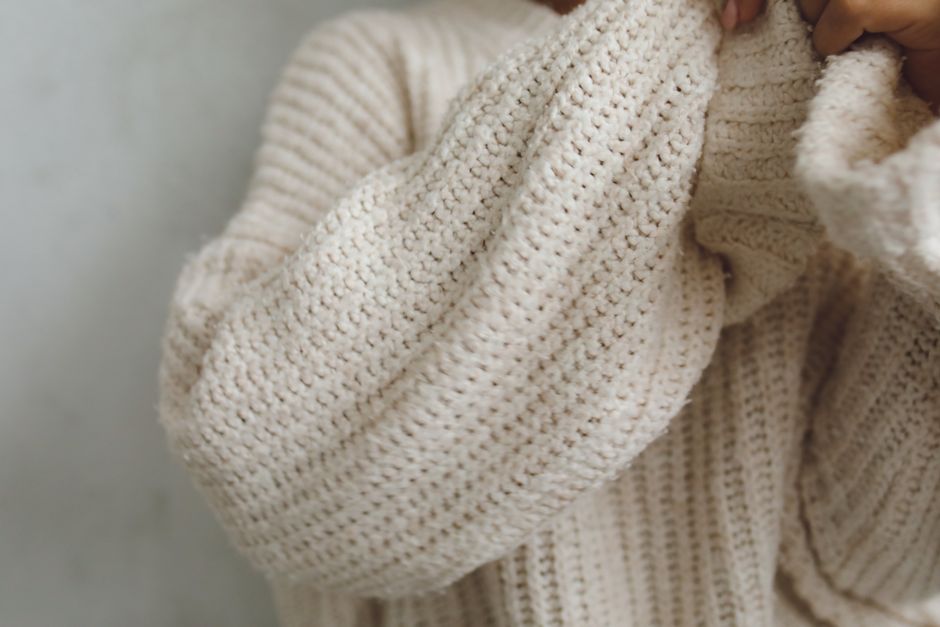
The biggest misconception of all: soft equals good. In the store, almost every cashmere feels soft-that’s exactly the trap. Cheap goods are treated with softeners and brushing processes to create that caressing sensation, an effect that rarely survives the first wash. What truly matters lies beneath the surface, and it comes down to four factors.
First, the fiber itself. High-quality cashmere consists of long, fine hairs from the undercoat of the cashmere goat: in top-tier quality, around fourteen to fifteen micrometers thin (about one-sixth the width of a human hair) and roughly thirty-five millimeters long. Long fibers stay put in the yarn and don’t rub out; short, coarser fibers quickly form those little bobbles known as pilling. That’s why the pilling test is the most honest one there is: rub a spot between your fingers for a few seconds. If it pills immediately, the fibers are short-no matter how soft it feels.
Second, the ply. This simply refers to the number of yarn strands twisted together. One-ply is a single thread, two-ply consists of two twisted strands. And two-ply is considered the sensible baseline for a long-lasting sweater because the twisted yarn holds its shape better and resists tearing. More ply doesn’t automatically mean better-just denser and heavier; a good summer piece can certainly be one-ply. What matters is the honesty of the claim.
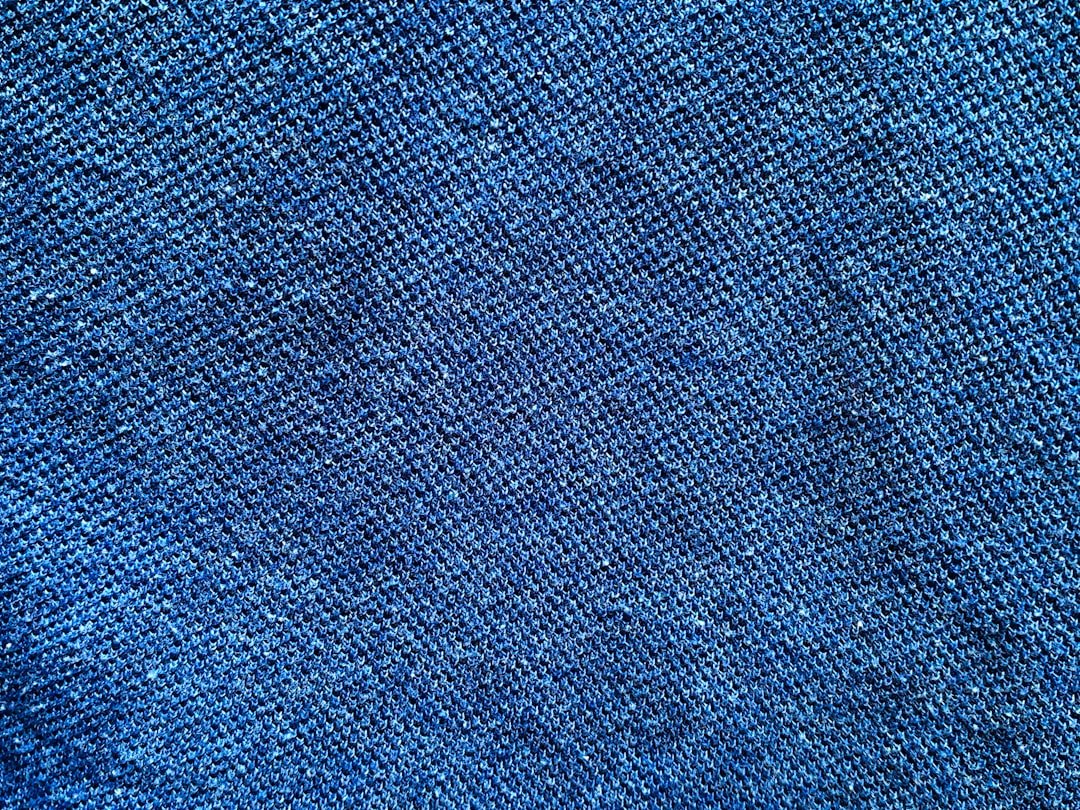
Third, the gauge, or knit density-how tightly the stitches are packed. A dense, even knit maintains its shape and doesn’t let light through; a loose, see-through knit is often a cost-cutting sign, as less yarn was used. And fourth, the grammage, measured in grams per square meter. This reveals how much substance is actually in the piece. A good sweater has weight and presence in your hand without feeling heavy. Take two seemingly identical pieces and weigh them against each other. The lighter one is often the more thinly knitted.
The Six-Second In-Store Check
Rub TestRub a spot briefly between your fingers. If it pills immediately, the fibers are too short.
Stretch TestGently pull and release. Good cashmere springs back into shape; poor quality stays stretched out.
Light TestHold it up to the light. If it shines through strongly, the knit is thin and the yarn was skimped on.
Weight TestWeigh two similar pieces against each other. Substance has weight without heaviness.
Leather Has One Truth and One Mask
With leather, the most critical divide runs invisibly through the hide itself. After tanning, a hide is split lengthwise; the top layer is the strong, natural one-and that’s the one that counts. If its natural surface remains untouched, it’s called full-grain leather. You can spot it by its living grain: fine pores, small imperfections, maybe a crease or a vein. That’s not a flaw-it’s the animal’s biography. This leather is the strongest layer of the hide, and it ages into the deep, lustrous patina you buy it for in the first place.
The mask is called corrected-grain leather. Here, the surface has been sanded down to erase scars and insect bites, then stamped with an artificial, uniform grain and sealed with a topcoat. The result looks flawless in the store-precisely because it’s identical everywhere. That’s the giveaway: a perfectly even, stamped grain doesn’t exist in nature. And because the strong top fiber has been sanded away, corrected-grain leather is weaker, breathes poorly, and doesn’t develop patina-it just wears out. The third term to distrust is “genuine leather”: it only means leather is involved somewhere, often the inferior lower split layer. It’s not a mark of quality-it’s the absence of one.
The Shoe That Outlives You
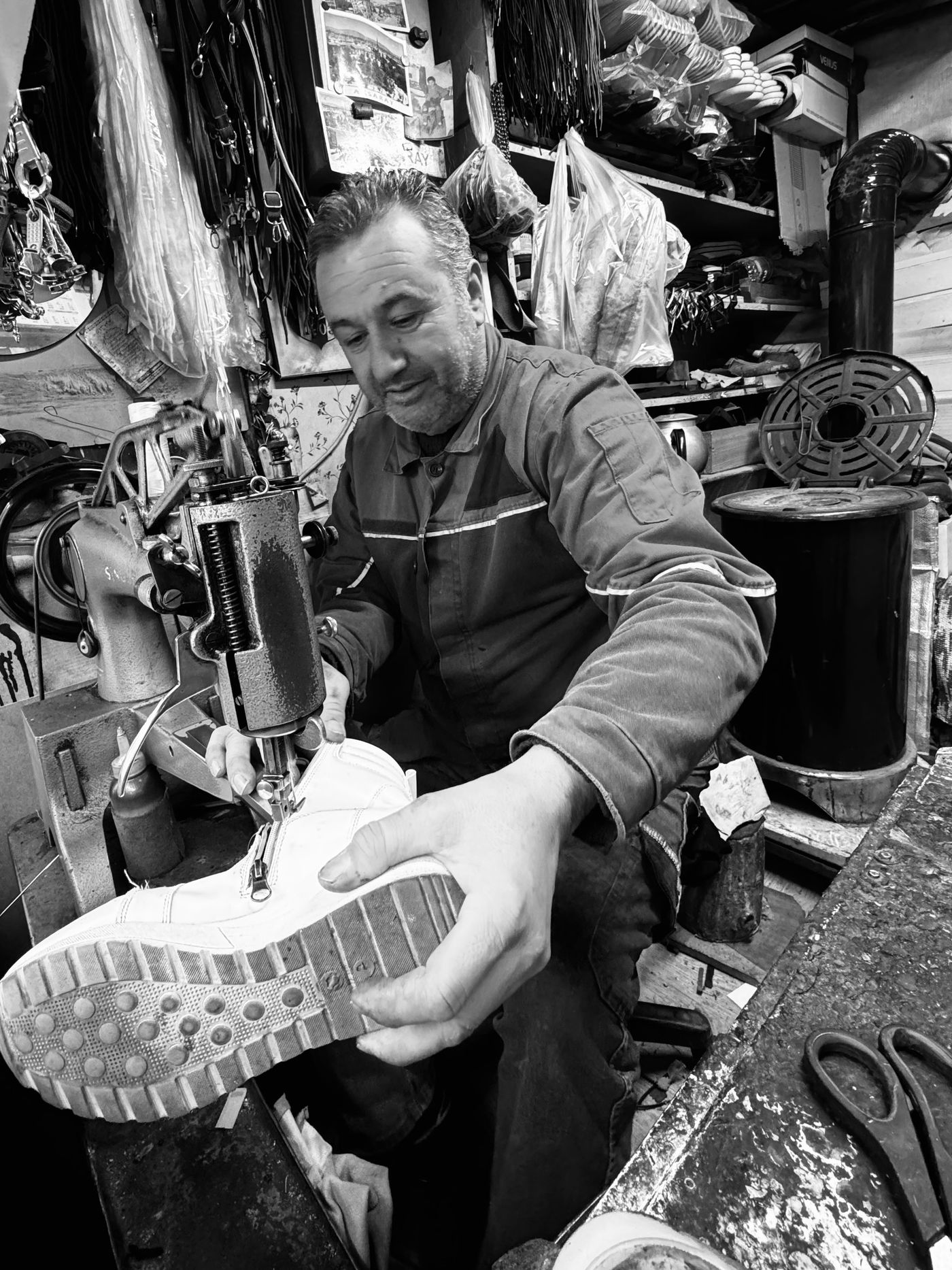
No other item in your wardrobe draws such a clear line between appearance and substance as the shoe. And the defining term is Goodyear-welted. In this construction, a narrow strip of leather-the welt-is stitched to the upper and the insole. The outsole, in turn, isn’t sewn directly to the shoe but to this welt. What sounds like a minor detail is actually the whole point: because the stitching only passes through the welt and not the upper leather, a cobbler can remove a worn sole and attach a new one without ever touching the upper. A well-made Goodyear-welted shoe can be resoled multiple times. It’s built to last decades beyond you.
The opposite is cemented construction. Here, the sole is glued directly to the upper; when it fails, the shoe is done. You can spot a Goodyear-welted shoe by the fine, continuous stitching on the narrow leather strip just above the sole. It’s not just for show: some cheap shoes feature a decorative stitch on the outside while the inside is glued. Turn the shoe over, inspect the edge, and look for the real through-stitch. And check the weight: a Goodyear-welted shoe with a leather sole has a heft in your hand that no foam can fake.
The Little Giveaways
When a manufacturer cuts corners, they start with the details they assume you won’t check. That’s exactly where it pays to look. Take the buttons on a shirt. A mother-of-pearl button (made from the inner layer of a seashell) feels cool and surprisingly heavy for its size, and each one has its own shimmering play of light. A plastic button is warm, light, and identical to its neighbor. Hold one to your cheek: mother-of-pearl stays cool, while synthetic material instantly absorbs your body heat. It’s a penny’s difference in production but a world of difference in quality – and the most honest quick test a shirt allows.
Next, the inner lining. In a well-made blazer, the inside often looks even better than the outside: cleanly finished edges, a lining that lies smoothly without tension, a chest pad you can feel as a soft layer rather than a glued-on slab. Reach into the inner pocket and run your fingers over the seam. If it’s neatly overcast, someone took care. If there’s a loose thread or raw edge, you know where corners were cut. The same goes for the edges of a leather bag: a properly finished edge is sanded smooth and sealed, often hand-burnished multiple times until it develops a rich, waxy sheen. A rough, untreated, or hastily painted edge is the first thing to start fraying after six months.
Finally, the weight and drape of a fabric. Take a coat by the shoulder and let it hang. A densely woven, honest wool fabric falls with quiet weight, almost like a curtain; it barely wrinkles and springs back from a crease. Thin, loosely woven material flutters, crumples instantly, and holds its folds. Crumple a corner in your fist and watch how quickly it recovers. This single gesture tells you more about the weave density than any fiber label ever could.
Manufacturers cut corners where they think you won’t look. So look.– InspiredByLuxury // Style
Why This Is More Than Just Snobbery
You might dismiss it all as a hobby for people with too much time on their hands. It’s the opposite. Those who can read quality buy less often and better – and in the end, it’s cheaper and, incidentally, the ecologically sensible choice. A full-grain leather shoe, resoled three times, replaces five pairs of glued junk destined for the landfill. A two-ply cashmere made from long fibers outlasts a dozen disposable sweaters. The math doesn’t favor the expensive; it favors the good – and that’s not the same thing.
The real reward, though, is quieter. It’s the relationship you develop with something that lasts. A blazer that molds to your posture over the years. A bag whose edges darken where your hand grips it. Shoes that carry a story instead of hiding one. Mass-produced goods don’t age-they disintegrate, because they were never meant to last. Good craftsmanship ages with dignity, because that was the intention all along.
So next time you’re in a store: Ignore the logo. Turn the piece over. Examine the seam, rub the fiber, bend the collar, weigh the fabric in your hand, press the button to your cheek. The price might whisper to you, but the craftsmanship tells the truth-right where you now know how to read it. The beautiful part? You’ll never unlearn this language.
The Details
Does expensive always mean better craftsmanship?
No. A high price can just as easily reflect a logo, a marketing campaign, or a prime retail location as it can superior workmanship. The details reveal the truth, regardless of the price tag-and some nameless pieces are built more solidly than the designer version next to them.
Isn’t softer cashmere simply better cashmere?
Not necessarily. Softness can be artificially achieved through softeners and brushing processes, even with short, low-quality fibers. What matters are fiber length and fineness, ply, and knit density. The honest test is pilling: short fibers fray quickly, while long ones stay smooth.
How can I spot a Goodyear-welted shoe?
Look for the fine, continuous stitching on the narrow leather strip around the shoe, just above the sole. This construction allows for multiple resolings without damaging the upper. Watch out for purely decorative stitching on shoes that are glued inside: check if the seam really goes all the way through.
What does “full-grain” mean for leather?
Full-grain leather comes from the top, strongest layer of the hide, with its natural surface intact-visible pores and subtle imperfections included. It’s more durable and develops a rich patina over time. Corrected-grain leather is sanded and artificially embossed, making it more uniform but weaker. Meanwhile, “genuine leather” isn’t a mark of quality-it just means leather was used at all.
❖
Source header image: Pexels / Los Muertos Crew. Technical details on cashmere grades and leather layers verified via Alpine Cashmere and The Tannery Row (Leather 101).
Jakob Bach writes for InspiredByLuxury about what’s worth it-and what endures. This column is an invitation to see with your hands, not the price tag.
//Style
More from //Style
What remains when the trend fades. Material, craftsmanship, and the value of real quality. Stay in //STYLE.
To the Section →

 //STYLE