The Ground in the Cup: What Top Roasters Learned from the Vineyard
Single origin, micro lots, altitude, processing, roast level: coffee can be read the way provenance is read in wine. If you understand how roasters talk about their beans today, you drink differently. Better.
You are holding a cup that smells of citrus peel and ripe apricot. None of it was added. It comes from the bean itself, from the soil, from the altitude, from the decision on how someone processed the harvest. Leading roasters have long stopped talking only about roast level or grind size. They talk about growing sites, micro lots and processes, with the same precision a winemaker brings to talking about their slope. Not a trend. A consequence.
- Coffee has terroir. Here it is called the micro lot.
- You can taste altitude, climate and variety if you listen closely.
- Processing decides fruit, body and clarity.
- Good roasters explain what is in the cup. That is not a service, it is respect.
When a roaster writes that a bean was grown at 1,900 metres, that is not marketing copy. At this altitude the coffee cherry grows more slowly. The nights cool the fruit, sugar synthesis takes longer, and the result is denser and more aromatically layered. This is not a theory you have to believe. It is something you taste for yourself as soon as you put a high-altitude coffee next to a lot from lower ground and give both the same moment.
What You Read in the Cup
Then there is the coffee variety. Bourbon, Gesha, Typica or a regionally selected cultivar: each carries its own aromatic profile. What this sounds like is grape varieties in wine, and it works in a similar way: genetics set the frame, terroir fills it in. A roaster who gives you this information is not lecturing you. They are handing you a tool.
Single origin means, first of all, that these beans come from a defined origin rather than a blend of sources. Within that there are finer gradations. A micro lot can come from a small delimited area, from a single farm or from a specific harvest of the same year. The result is greater traceability: when something in your cup is exceptionally good, you know where to point. And when something is off, you know that too.
A micro lot is not a luxury label
For roasters this means more work. Smaller lots, more test roasts, sharper decisions about how much heat each lot can take. But their reason for doing it is the same as the winemaker’s: because the difference between a standard lot and a carefully selected micro lot is noticeable in the cup. And because it is worth making that difference visible instead of letting it disappear in a blend.
Once the coffee cherries are harvested, a decision follows that shapes the later aroma more than many realise: processing. In washed processing the fruit flesh is removed quickly, the bean is washed and dried. The result is often clearer, more precise, with more transparency for the notes of its origin. Natural processing lets the bean rest inside the dried fruit. That usually brings more body, more fruit, sometimes notes reminiscent of berries or fermented wine, without either having been added.
Processing: the quiet decision
In between lies a growing palette: honey processing, anaerobic fermentation, different drying times and experimental combinations. Each method is a lever. Roasters who take this seriously put this information on the label, because they know: once you have understood that a natural brings a different body than a washed from the same origin, you buy differently. You drink differently. You ask sharper questions the next time.
A roaster who tells you where the bean comes from, how it was processed and what you may expect in the cup has understood more than temperature and timing. They have understood that coffee is also a story.
This is where the difference between owning and choosing begins. One accumulates things; the other asks whether they match your own sense of quality.
The Look at the Detail
A good purchase does not grow louder as you come closer. It grows more precise: in the surface, in the documentation, in the way material and provenance fit together.
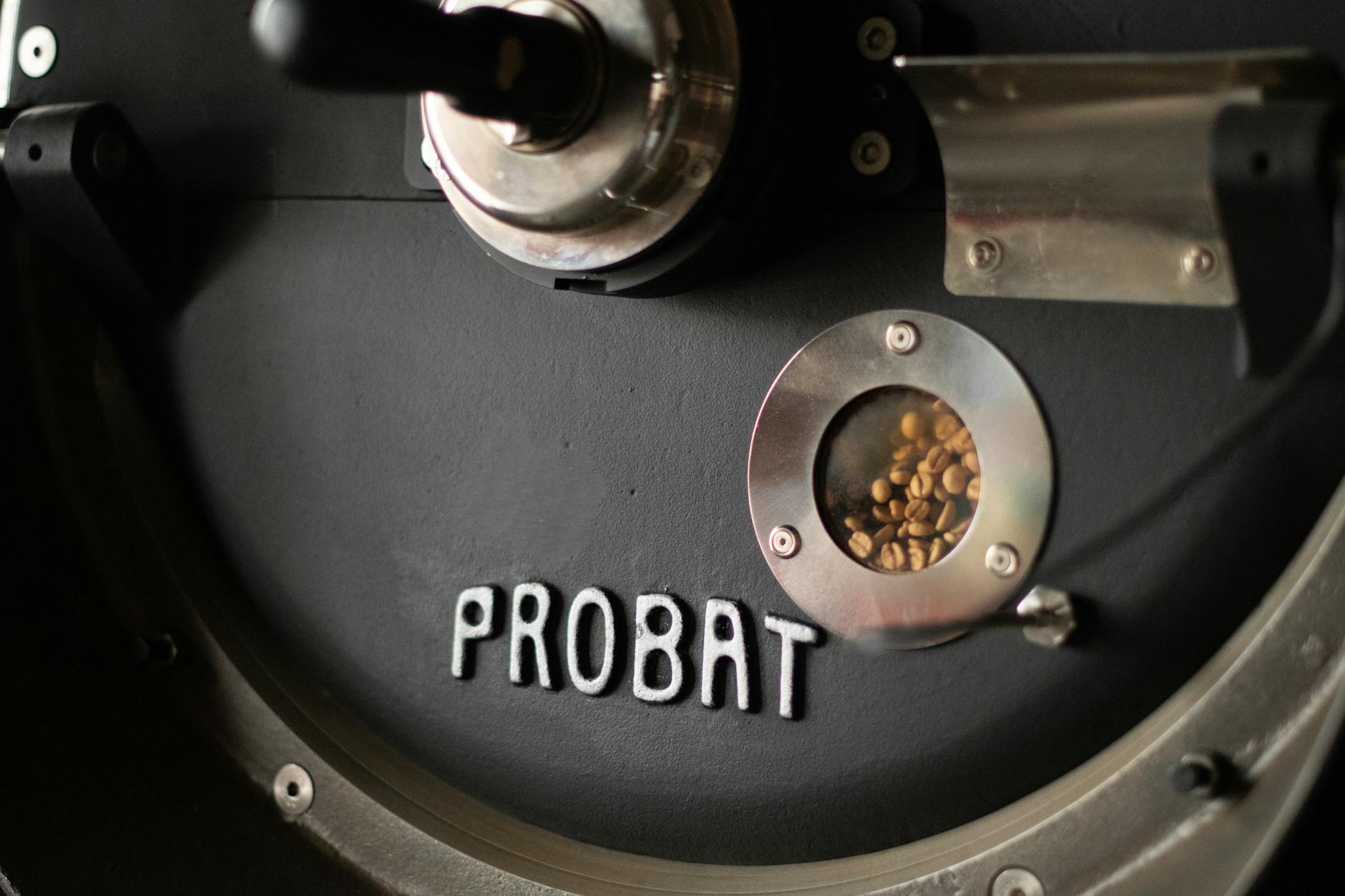
Finally comes the roast level. It is the last filter between origin and cup. A light roast lets the notes of origin through: the acidity, the florals, the fruity depth of a well-grown bean. A darker roast brings roast aromas, chocolate and bitterness to the fore. None of these choices is wrong, but they change what you taste. Leading roasters communicate this, because a coffee described as lightly roasted should create different expectations than one pointing towards medium-dark.
Roast level: the final word
Grind and brewing method close the chain. Ground fine and extracted too long, coffee turns bitter. Ground coarse and extracted too briefly, it stays thin and flat. That sounds technical, but it is the same principle as in cooking: good ingredients need the right treatment. When you know the origin, the processing and the roast level of a bean, you know what you are working with. That is not expert knowledge, it is orientation.
Choosing this way is not a search for the loudest signal. It is a search for a piece that still convinces once the first impulse has passed.
The Final Check
In the end what counts is whether an object can carry its story quietly: not as a pose, but as quality you can trace.
What Remains
Luxury reads stronger when you read it more slowly. Then the focus shifts from price to coherence.
Good to Know
Why does single origin coffee cost more than a blend?
Because transparency means more work. Smaller lots, more quality control, more direct supply chains. You are not paying for the name on the packaging but for being able to trace what is inside.
What exactly is a micro lot?
A coffee from a narrowly defined area, a single farm or a specific harvest. Smaller than a regular single origin lot, with more control over quality and character. More effort for everyone involved, more clarity for you.
Does roast level really make such a big difference?
Yes. It decides which side of a bean you get to see: its origin or the roast. Both can be good. It is a decision by the roaster, and one you should know about before you buy.
Placing It in Context
This article belongs to the new InspiredByLuxury way of reading: less a quick list, more material, provenance, use and editorial taste.
Image sources: Pexels / Gunnar Hoffmann; Pexels / Hannoversche Kaffeemanufaktur; Pexels / Brunxs Monochrome. Sources and further information: Specialty Coffee Association, Coffee Value Assessment.